Delhi Tribunal Exposes Gaping Holes in Vehicle Ownership Transfer System After Fatal Accident
मुख्य बातें
- •A Delhi tribunal exposed systemic failures in India’s vehicle ownership transfer system after a 2022 accident involving a ‘Gramin Sewa’ vehicle sold multiple times without RC updates.
- •The tribunal questioned how a commercial vehicle’s ownership could change hands repeatedly without official records being updated, violating Section 50 of the Motor Vehicles Act, 1988.
- •Used car sales in India are expected to cross six million units, yet fewer than 70% of RC transfers are completed within 60 days, leaving sellers legally exposed.
- •The Delhi High Court previously highlighted security risks when vehicles involved in crimes change hands without ownership records being updated, citing a 2025 bomb blast case.
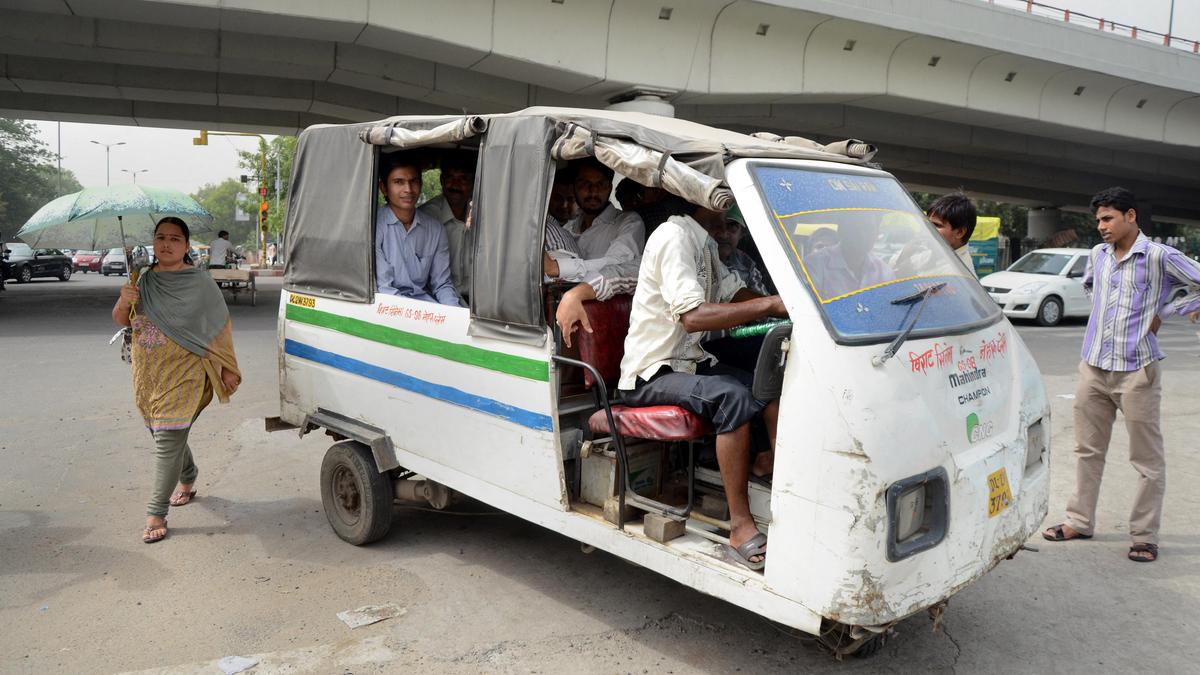
A recent order by a Delhi Motor Accident Claims Tribunal has laid bare glaring failures in India’s vehicle ownership transfer system, raising serious concerns about regulatory oversight, legal compliance, and public safety. The case stems from a 2022 road accident involving a commercial ‘Gramin Sewa’ vehicle in Delhi that had changed hands multiple times without any updates to its Registration Certificate (RC). The tribunal, presided over by Judge Dr. Abhilash Malhotra, questioned how such a vehicle—whose permit is issued only after thorough verification in the name of the registered owner—could be sold repeatedly without any corresponding changes in ownership records. Despite three successive transactions, the RC remained unchanged, violating Section 50 of the Motor Vehicles Act, 1988, which mandates formal transfer of ownership within a stipulated period.