•The Ebola outbreak in DRC has 867 suspected cases and 204 deaths as of late Saturday, with WHO raising the risk level to "very high."
•The rare Bundibugyo strain has a 50% mortality rate and no approved vaccine; the outbreak likely circulated undetected in Ituri for two months.
•WHO declared a global public health emergency; Uganda reported two cases, prompting border closures and flight suspensions.
•Contact tracing covers 1,400 people, but WHO admits efforts are lagging; DRC suspended flights to Bunia amid rising concerns.
•International response includes tightened border controls and postponed summits; funding gaps leave frontline workers without critical supplies.
•WHO is reviewing potential vaccines, including an rVSV candidate for Bundibugyo, but no doses are available yet for trials.
•The outbreak’s spread is fueled by conflict, displacement, and distrust, raising fears of a larger regional or global crisis.
The Ebola outbreak in the Democratic Republic of Congo (DRC) is worsening, with nearly 867 suspected cases and 204 deaths reported as of late Saturday, according to the country’s health ministry. The World Health Organization (WHO) has upgraded its risk assessment in the DRC to "very high," signaling the gravity of the situation. The outbreak, now affecting three provinces in eastern Congo, has expanded to South Kivu, marking a significant geographic spread. Additionally, two confirmed cases—including one death—have been reported in neighboring Uganda, linked to individuals who traveled from the DRC.
This outbreak is caused by the rare Bundibugyo strain of Ebola, for which there is currently no approved vaccine. The mortality rate for this strain is alarmingly high, reaching up to 50%. Health authorities revealed that the virus likely circulated undetected in Ituri province, a conflict-affected mining region in eastern Congo, for approximately two months before being identified. WHO Director-General Tedros Adhanom Ghebreyesus described the outbreak as "especially challenging," citing multiple complicating factors such as ongoing armed conflict, the displacement of thousands of people, the transient nature of miners moving across borders, and widespread distrust of health authorities among local communities.
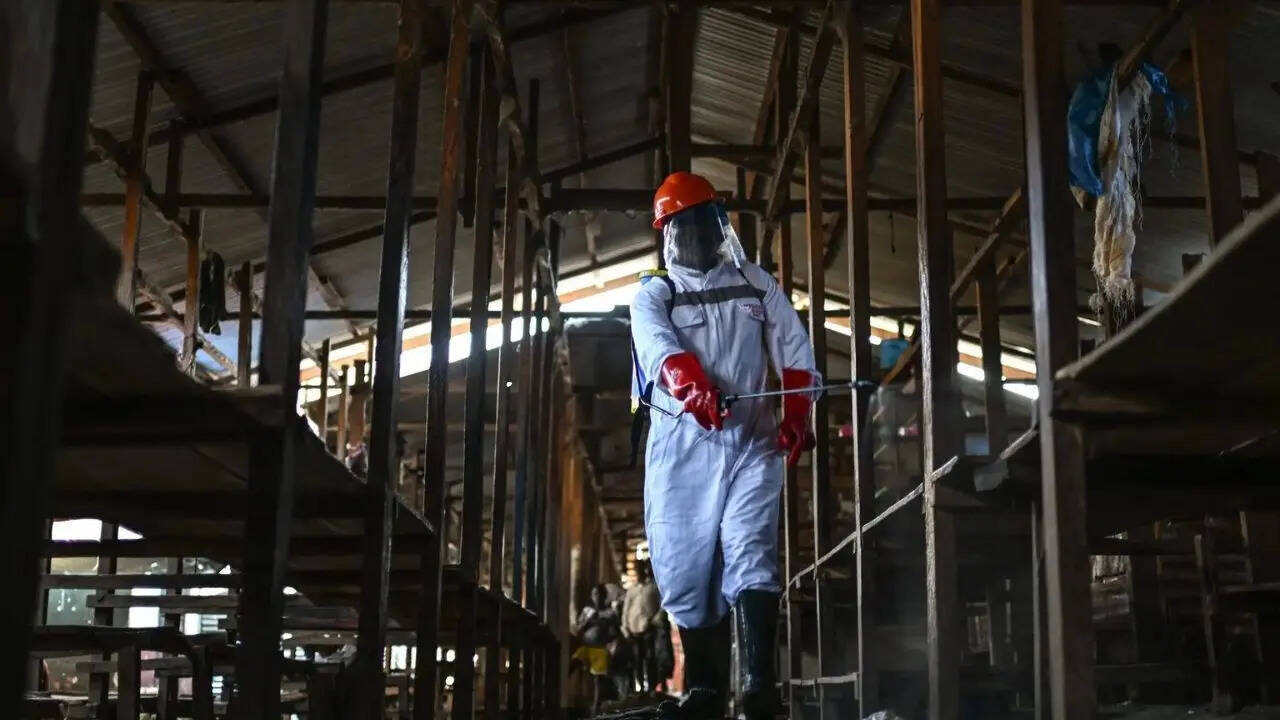
In response to the escalating crisis, WHO has declared a global public health emergency, emphasizing the urgency of the situation. Contact tracing efforts have expanded to include 1,400 people, but WHO representative Anne Ancia cautioned that the response is still lagging behind the spread. "We are running behind, we are not yet under control," she stated. To curb further transmission, the DRC has suspended flights to Bunia, a key city in the outbreak zone. Uganda has taken even stricter measures, effectively closing its border with the DRC by suspending all flights and public transportation except for the movement of goods and food. Weekly bazaars in high-risk border regions, where communities frequently cross the porous frontier, have also been halted.
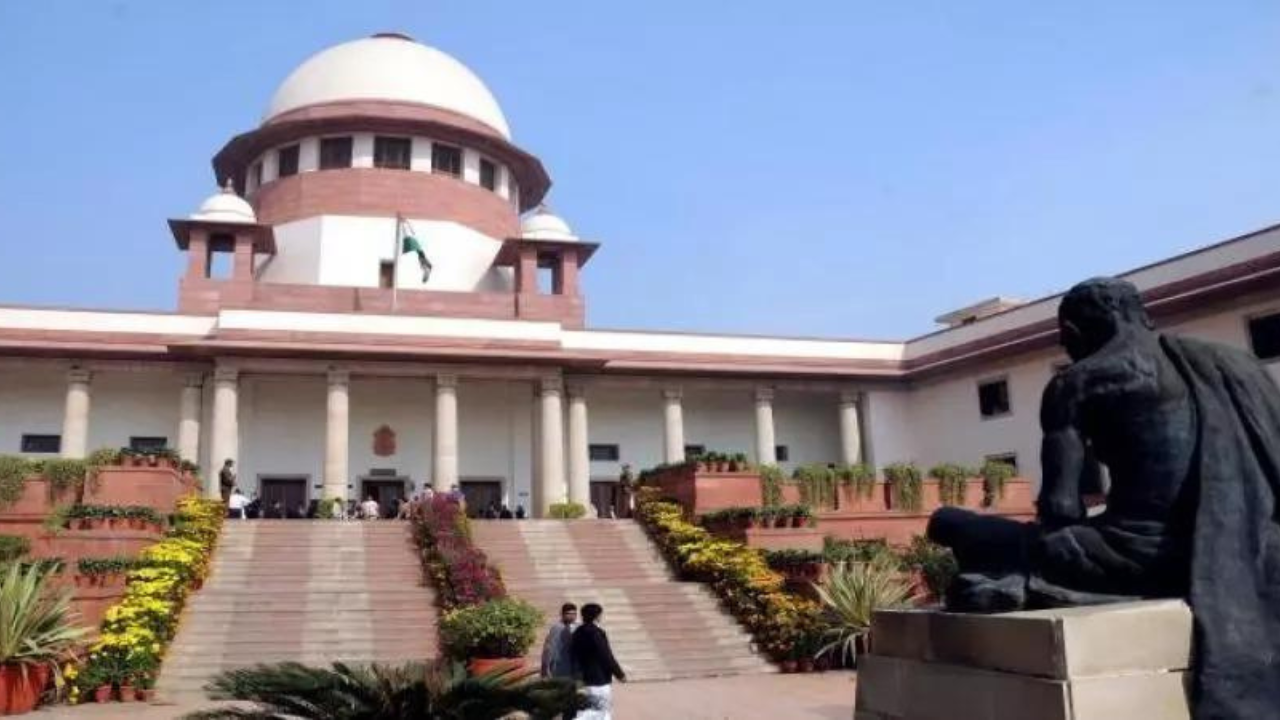
Global health agencies and governments are ramping up border screening and quarantine preparations to prevent further international spread. The situation has also impacted international events, with the India-Africa summit, originally scheduled to begin in New Delhi at the end of May, postponed indefinitely.
Funding shortages are exacerbating the crisis, according to Africa CDC Director General Jean Kaseya. He highlighted that pledged financial support is failing to reach frontline health workers, resulting in critical shortages of personal protective equipment, medicines, and treatment centers. The WHO is actively reviewing potential vaccine candidates to combat the Bundibugyo strain. Among the most promising is an experimental rVSV vaccine designed specifically for this strain, though no doses are currently available for clinical trials. If prioritized, it could take between six to nine months to prepare sufficient supplies for testing and deployment.
The combination of a high-mortality strain, weak health infrastructure, ongoing conflict, and cross-border movement has created a complex and dangerous scenario. Health experts warn that without rapid and coordinated international support, the outbreak could spiral further out of control, with potential consequences far beyond the African continent.