Nanmangalam Lake in Chennai, a vital wetland ecosystem, continues to face severe environmental threats from untreated sewage, garbage dumping and encroachments. Yet, a growing citizen-led movement, launched in June 2024 under the banner “Saving Nanmangalam Lake,” is working to restore the lake and raise awareness about its ecological importance. The initiative brings together residents from Sembakkam, Nanmangalam and Hastinapuram, who have united to document biodiversity, conduct cleanup drives and push for coordinated restoration efforts.
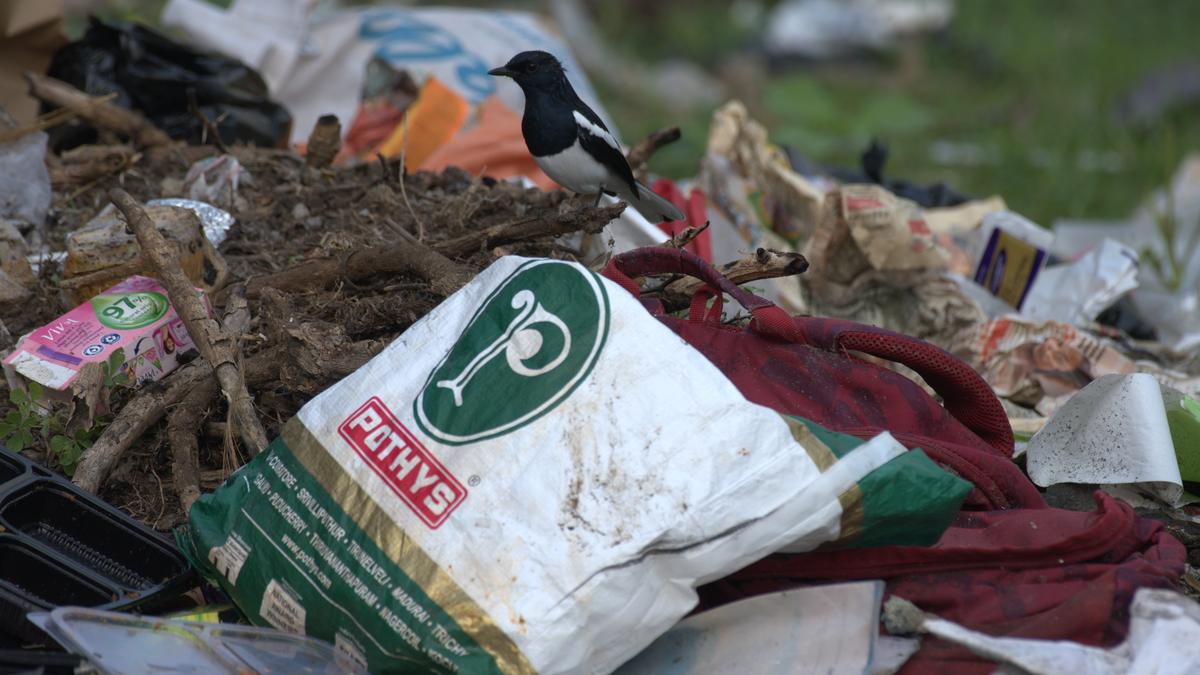
Among the prominent faces of the movement are Kumaresan Chandrabose, Jayapriya Ramanathan and R. Sathya. Kumaresan, a local naturalist, has spent years documenting the lake’s rich biodiversity through photography and videography. His work has helped uncover a remarkable variety of resident and migratory bird species, including the Chestnut-winged Cuckoo, a migratory bird that winters in Nanmangalam. Other notable species include the Yellow Bittern, Painted Snipe, Black Bittern, Watercock and Oriental Magpie Robin. The lake also supports Darters and serves as a nesting site for several migratory birds. Beyond birds, Kumaresan tracks butterflies and odonates, noting the decline of species such as the Joker butterfly, which relies on native plants like Tragia (Sendatti) that are often removed during beautification drives.
The citizen initiative has mobilised hundreds of volunteers through nature walks, cleanup drives and awareness campaigns. One of the largest events, a walkathon earlier this year, drew nearly 600 participants. Volunteers have also focused on reducing plastic use, promoting waste segregation and installing warning boards. In some areas, garbage dumping has declined, and partial fencing has been completed along South Bund Road. “Initially, many people believed nothing would change,” said Jayapriya Ramanathan. “Gradually, public participation and awareness began to increase.”
However, the lake’s fragmented administration complicates restoration efforts. Portions of the lake fall under different civic bodies, including the Tambaram Corporation, making coordinated action difficult. A major concern is a garbage transit point between the Nanmangalam Reserve Forest and the lake, operated by a panchayat. This site serves as a dumping and transport area for municipal waste, exposing cattle, birds and other animals to plastic and other pollutants. “We have seen cattle consuming plastic waste,” said Sathya, highlighting the risks of biomagnification affecting wildlife.
The movement has expanded beyond the lake with the formation of the Vanam and Neer Foundation, which aims to support conservation efforts in both the wetland and the adjoining reserve forest. Despite progress, challenges persist. Waste often reappears after cleanup drives, and urban pressure continues to intensify around the lake. Organisers emphasise that conservation cannot rely solely on volunteers and call for integrated protection measures involving all government departments.
Core volunteers, including around 15 active members, work consistently on the ground, while elderly residents contribute through paperwork and coordination with officials. The initiative has gained momentum, but organisers stress the need for systemic change to ensure long-term protection of Nanmangalam Lake and its fragile ecosystem.