Central Africa Battles Rare Bundibugyo Ebola Strain as WHO Declares Public Health Emergency
मुख्य बातें
- •The Bundibugyo ebolavirus strain, first identified in Uganda in 2007, is causing a deadly outbreak in the DRC and Uganda, with case fatality rates of 30% to 50%.
- •The WHO declared a Public Health Emergency of International Concern (PHEIC) on May 15, 2026, due to the outbreak’s severity and the challenges posed by the conflict-ridden region.
- •As of May 21, 2026, the DRC has reported 83 confirmed cases, nine deaths, 746 suspected cases, and 176 deaths, with four health workers among the fatalities.
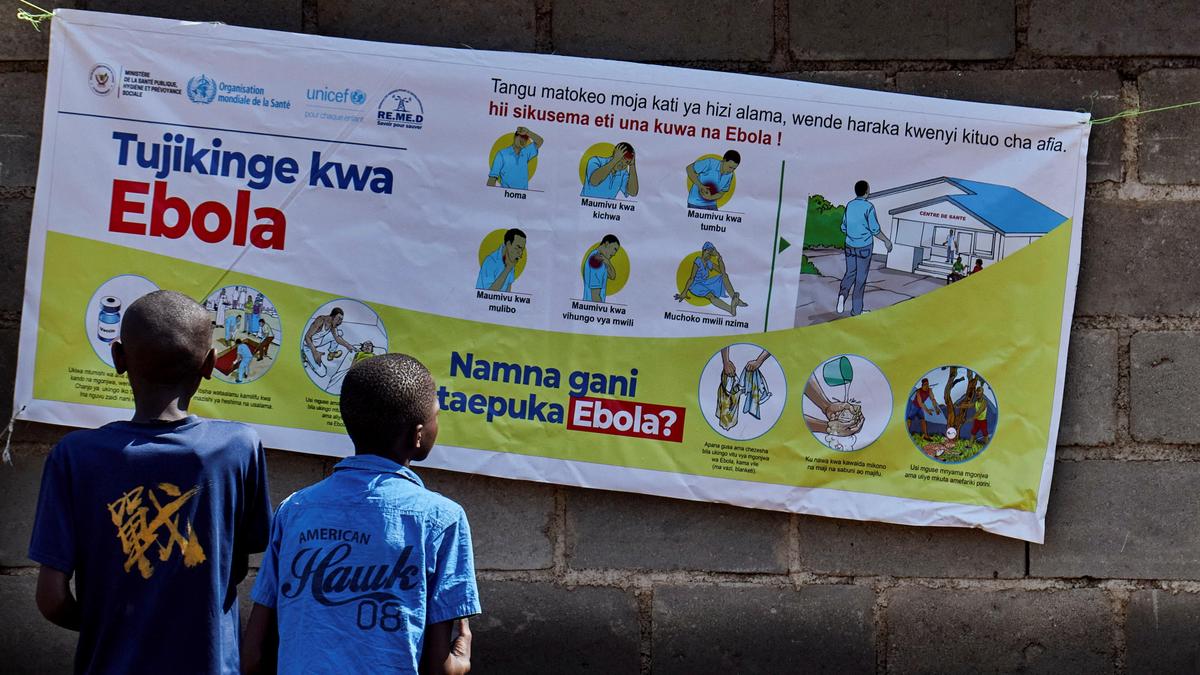
- •Symptoms of Bundibugyo Ebola include severe headache, fever, body aches, and later, life-threatening vomiting and diarrhea, leading to organ failure.
- •Scientific teams, including researchers at Oxford University and the Coalition for Epidemic Preparedness Innovations, are working to develop and fast-track a vaccine for the Bundibugyo strain.
Central Africa is facing a significant public health challenge as a rare and deadly strain of Ebola, known as the Bundibugyo ebolavirus, spreads across the Democratic Republic of Congo (DRC) and Uganda. The outbreak, which has prompted swift international action, has raised concerns due to the strain’s high fatality rate and the difficulties posed by the conflict-ridden region where it is occurring. On May 15, 2026, the World Health Organization (WHO) declared the outbreak a Public Health Emergency of International Concern (PHEIC), bypassing its usual consultation process with expert bodies—a decision reflecting the urgency of the situation.