A four-week United Nations conference reviewing the Nuclear Non-Proliferation Treaty (NPT) concluded on May 22, 2026, without reaching a consensus, as the United States and Iran locked horns over Tehran’s nuclear ambitions. The conference, attended by 191 member states, failed to adopt even a diluted final document, marking the third consecutive failure of its kind. Vietnam’s UN Ambassador Do Hung Viet, who chaired the proceedings, stated that “no one blocked consensus,” but acknowledged that a key obstacle was a provision in the draft that declared Iran “can never seek, develop or acquire any nuclear weapons.”
This failure follows two previous unsuccessful NPT review conferences, including the last one in August 2022, when Russia blocked agreement due to its invasion of Ukraine and references to the occupation of the Zaporizhzhia nuclear power plant in Ukraine. UN Secretary-General Antonio Guterres expressed deep regret over the outcome, emphasizing the “elevated risk posed by nuclear weapons” and urging all nations to prioritize dialogue, diplomacy, and negotiation to reduce nuclear risks and eliminate threats.
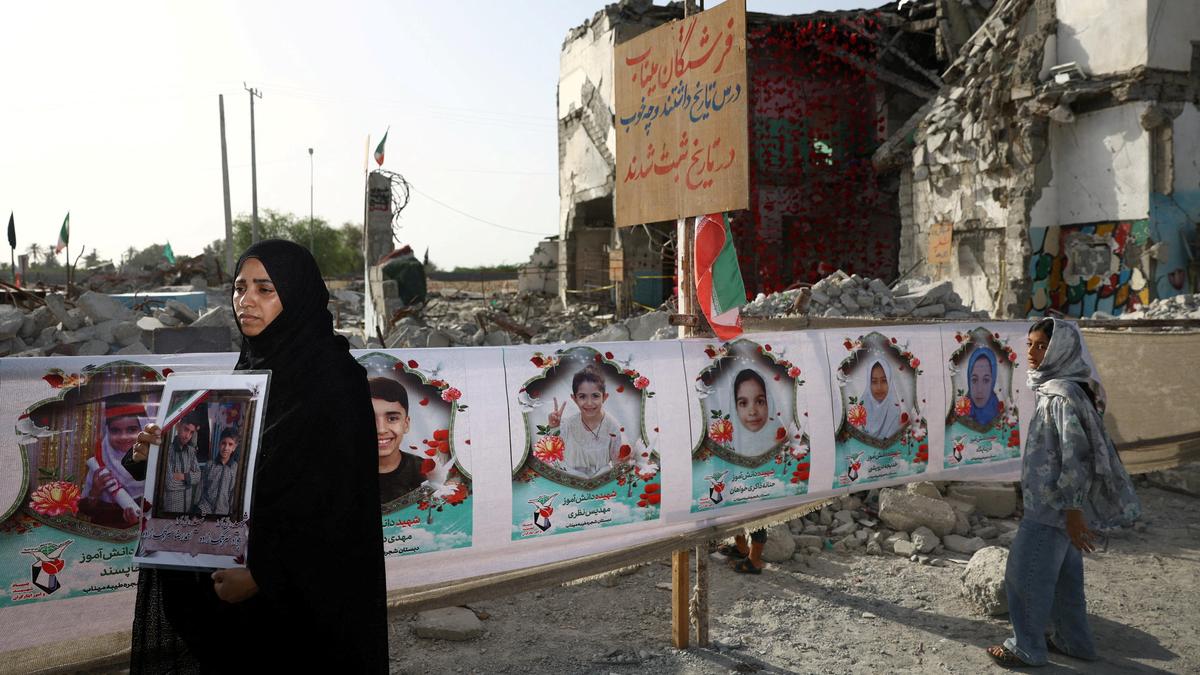
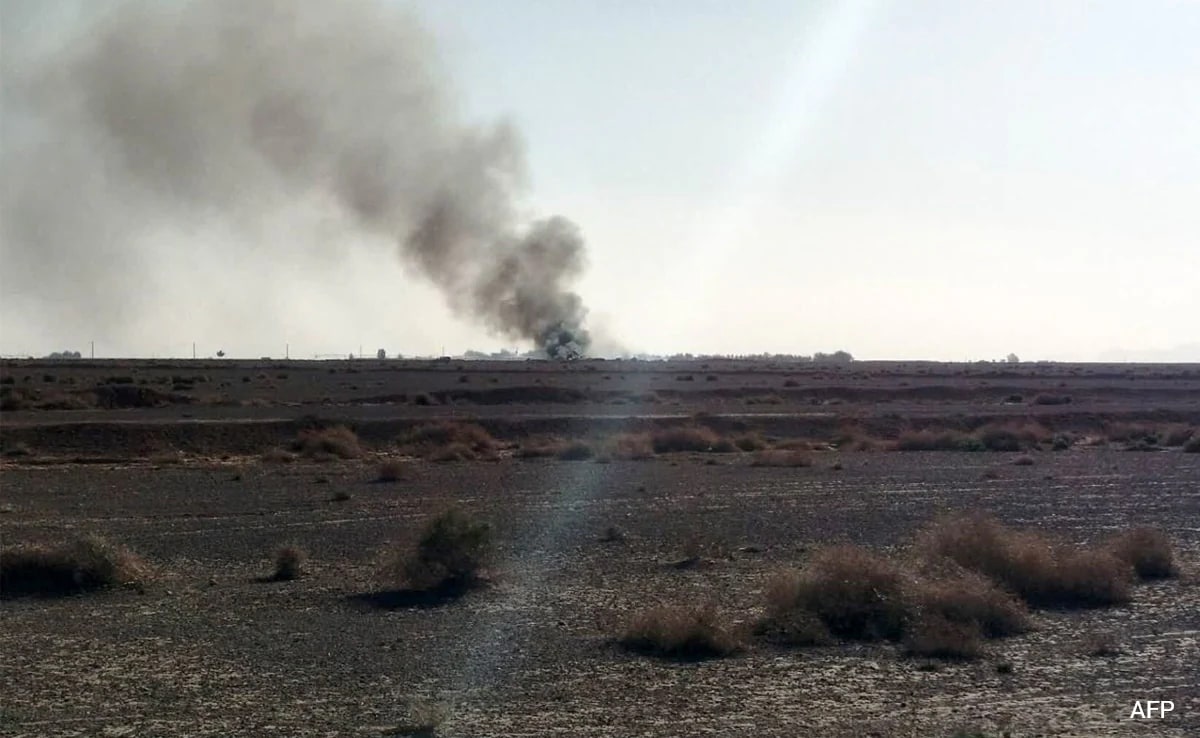
Tensions surrounding Iran’s nuclear program have intensified in the lead-up to the ongoing Iran-Israel war, which erupted after US and Israeli airstrikes on February 28, 2026. US President Donald Trump framed the military action as a preventive measure aimed at stopping Iran from developing nuclear weapons. Iran, however, maintains that its nuclear program is strictly for civilian purposes, despite enriching uranium to near weapons-grade levels. The International Atomic Energy Agency (IAEA) has raised concerns over Iran’s compliance with NPT obligations, particularly regarding access to nuclear sites that were bombed by the US in June 2025.
During the conference, the US accused Iran of showing “contempt” for its NPT commitments, including refusing to allow IAEA inspectors access to certain nuclear facilities. Iran, in turn, condemned US and Israeli attacks on its nuclear sites as violations of international law. Daryl Kimball, executive director of the Arms Control Association, highlighted that the US insisted on naming Iran in the final document for its non-compliance, while Iran demanded that the US and Israel be condemned for their attacks—neither demand was included. Kimball warned that the conference exposed “cracking foundations” of the NPT due to inaction and intransigence among major powers.
In their closing speeches, the US labeled Iran a “prolific treaty violator” and accused it of evading accountability for “grotesque violations” throughout the conference. Iran retaliated by accusing the US and its allies of waging a “relentless campaign” to legitimize unlawful attacks on its nuclear infrastructure. Rebecca Johnson, founding executive director of the Acronym Institute for Disarmament Diplomacy, criticized both the US and Russia—the world’s largest nuclear powers—for escalating nuclear threats and undermining the NPT’s disarmament commitments, including agreements related to nuclear testing.
The collapse of the NPT review underscores growing global concerns over nuclear proliferation and the erosion of trust in international arms control frameworks. Analysts stress that stronger leadership, pragmatic diplomacy, and renewed commitment to disarmament are urgently needed to prevent further escalation and mitigate the risk of a nuclear-armed Iran.