The Supreme Court on Monday took strong measures to ensure a fair, independent, and impartial investigation into the unnatural death of 26-year-old actor-model Twisha Sharma in Bhopal, restraining both the accused’s and victim’s family members, as well as potential witnesses, from making public statements. The apex court’s suo motu intervention—registered under the title *In Re Alleged Institutional Bias and Procedural Discrepancies in the Unnatural Death of a Young Woman at Matrimonial Home*—comes amid serious allegations from the victim’s family regarding procedural lapses, institutional bias, and possible tampering of evidence during the initial probe.
A bench led by Chief Justice of India Surya Kant expressed deep concern over media commentary and competing public narratives surrounding the case. “While making these observations, it is clarified that we have not expressed any opinion on any of the allegations or otherwise and it is entirely on the investigating agency to look into the different aspects,” the court stated in its order. The bench directed that family members of both the victim and the accused, as well as potential witnesses, should refrain from speaking to the media and instead place their versions before the investigating agency to avoid prejudicing the ongoing probe.
During the hearing, Senior Advocate Siddharth Dave, representing the accused, pointed out that statements recorded under Section 161 of the Code of Criminal Procedure (CrPC) had appeared in newspapers the very next day. Solicitor General of India Tushar Mehta, appearing for the Madhya Pradesh government, alleged that the accused’s mother—identified as a former district judge—had been actively maligning the deceased across multiple television channels. He further remarked, “For parents, the moral is it is better to have a divorced daughter than a dead daughter,” a statement that underscored the gravity of the situation.
Senior Advocate Siddharth Luthra, representing Twisha Sharma’s family, highlighted several procedural lapses in the initial investigation, including delays in registering the FIR and failures in preserving critical evidence. The court noted reports alleging “situational bias” in the state police probe, citing the accused’s legal background (as a lawyer) and his mother’s former judicial role as factors that allegedly influenced the investigation. The Supreme Court emphasized that such concerns warranted suo motu intervention to uphold the integrity of the probe.
In a significant development, the Solicitor General informed the court that the Madhya Pradesh government had decided to transfer the case to the Central Bureau of Investigation (CBI), and that the process of handing over the investigation was being expedited. The Chief Justice directed the CBI to complete the probe promptly. A CBI team was dispatched to Bhopal on Monday to formally take over the investigation, according to agency sources.
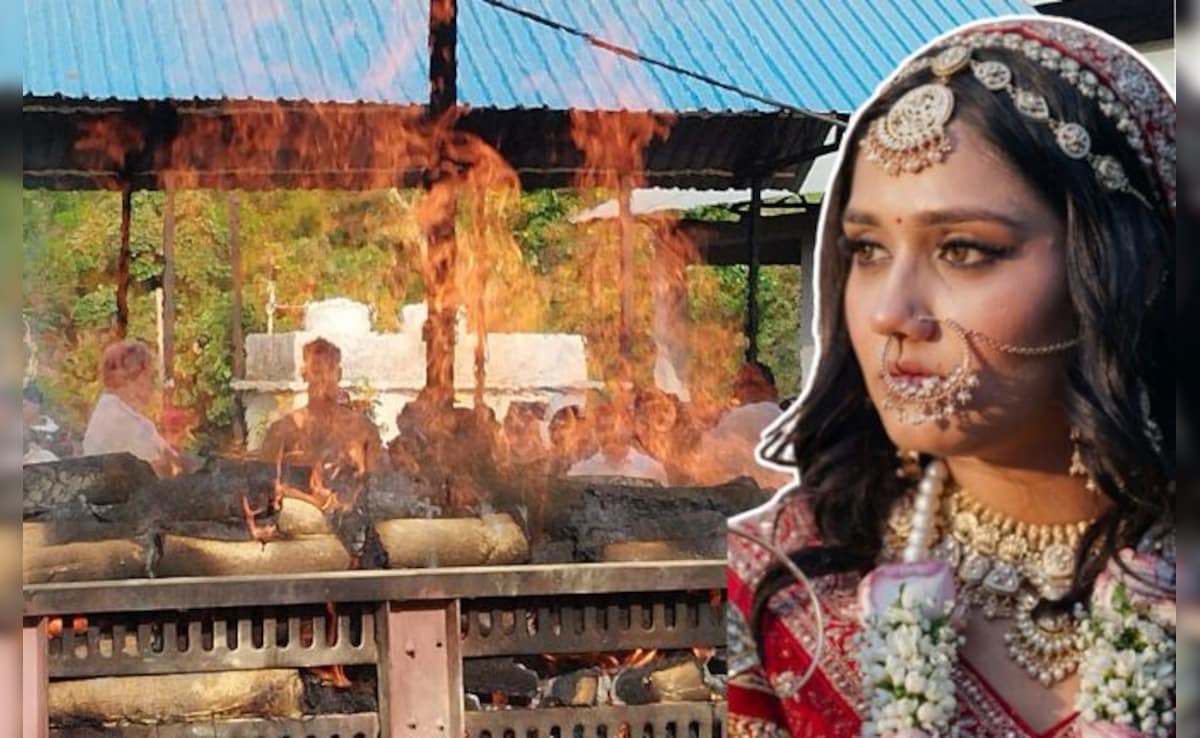
Twisha Sharma, a former model and actor, was found dead at her matrimonial home in Bhopal on the night of May 12. She had married Samarth Singh, a lawyer, on December 25, 2025. Her family has alleged mental harassment and financial demands against Singh and his mother. The family had initially refused to accept her body, demanding a second autopsy by a medical board from AIIMS Delhi due to inconsistencies in the first post-mortem report. The second autopsy was conducted, and her mortal remains were handed over to the family. Her last rites were performed at a crematorium in Bhopal on Sunday by her brother, Major Harshit Sharma.
Speaking after the cremation, Twisha’s father, Navnidhi Sharma, expressed gratitude for the Supreme Court’s intervention, calling it a crucial step toward accountability. “We do not know how we will live without her. I thank everyone who supported us. She will get justice. This case will become an example and restore people’s faith in the judicial process,” he said. The apex court’s intervention has been widely seen as a decisive move to restore public trust amid widespread outrage and allegations of a botched investigation.