Global Trade Routes Shift as Geopolitical Tensions Disrupt China-Centric Shipping Lanes
मुख्य बातें
- •Escalating tensions in the Gulf region, particularly Houthi attacks in the Red Sea, have forced Western shipping firms to reroute vessels via the Cape of Good Hope, adding significant time and cost to global trade.
- •The Red Sea is a critical trade corridor, handling 12% of global maritime traffic, and its disruption highlights vulnerabilities in supply chains tied to China’s economic influence.
- •Rerouting via the Cape of Good Hope increases transit times by up to two weeks and adds $1 million to $3 million in costs per voyage due to higher fuel consumption and port fees.
- •Industry experts warn that the temporary rerouting could have long-term consequences, reshaping trade dynamics and accelerating efforts to diversify trade routes.
- •The incident underscores the need for nations and corporations to reduce reliance on politically sensitive trade chokepoints and invest in alternative pathways for global commerce.
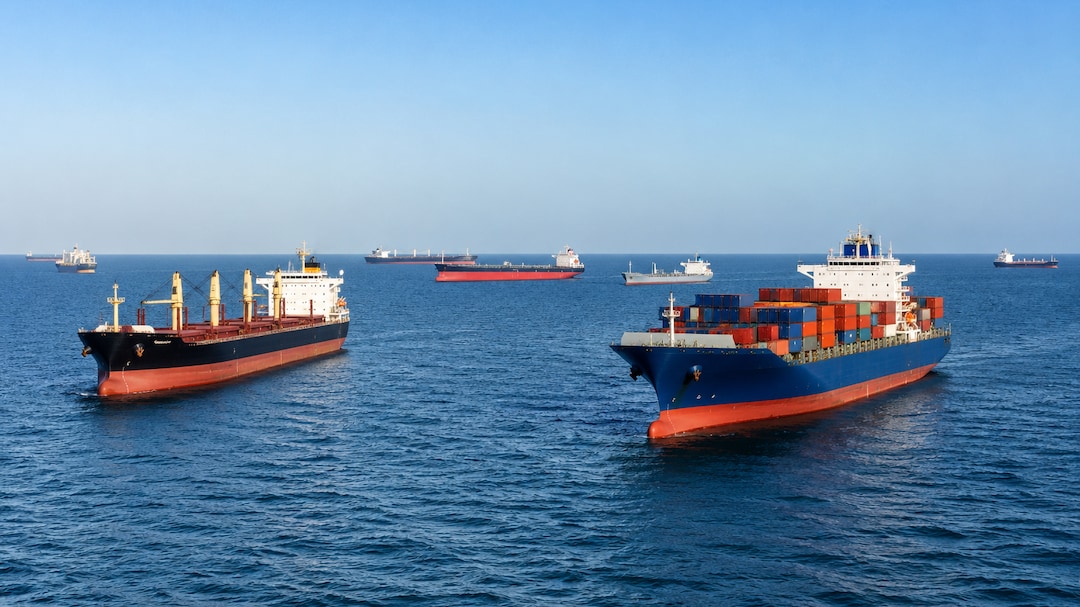
Global trade networks are facing unprecedented disruptions as geopolitical tensions, particularly in the Gulf region, compel Western shipping companies to abandon traditional routes that heavily rely on Chinese-controlled waters. The Red Sea, a critical corridor for maritime trade between Asia, Europe, and Africa, has become a hotspot of instability, prompting major shipping firms to reroute their vessels via the Cape of Good Hope in South Africa—a detour that adds significant time, cost, and logistical complexity to supply chains.