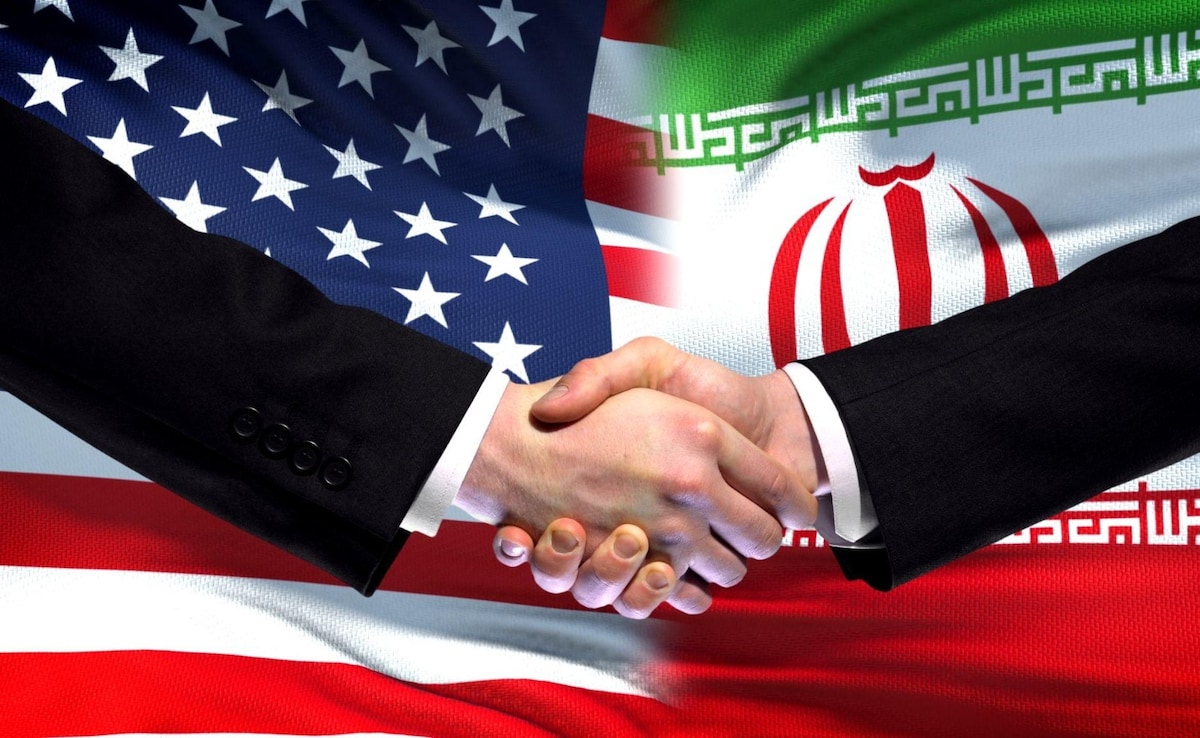
Iran’s foreign ministry spokesperson Nasser Kanaani said on Monday that negotiators have reached “conclusions” on several topics within a proposed 14-point memorandum of understanding aimed at de-escalating the Middle East conflict. However, he cautioned that this does not signal an immediate ceasefire or final peace deal, stressing that major hurdles remain before any agreement can be signed.
The announcement comes after weeks of indirect talks in Doha, Qatar, involving Iran, regional allies, and international mediators. While Kanaani did not specify which points have been agreed upon, he indicated that discussions have focused on ceasefire terms, prisoner exchanges, and security guarantees. The proposed 14-point framework reportedly includes clauses on non-interference in internal affairs, lifting sanctions, and regional stability—core demands from Iran in past negotiations. But diplomats familiar with the process say significant gaps persist, particularly over the scope of Iran’s role in proxy conflicts and the timing of sanctions relief.
The ongoing conflict, which escalated following Israel’s military actions in Gaza and Iran’s retaliatory strikes in April, has drawn in multiple actors across Lebanon, Yemen, Syria, and Iraq. Regional and global powers, including the United States, have been pushing for a diplomatic solution to prevent further destabilization. Iran has repeatedly stated that any agreement must address its security concerns and those of its allies, including Hezbollah in Lebanon and the Houthis in Yemen.
Despite the cautious optimism, Kanaani warned against premature expectations. “The existence of common ground does not mean the deal is finalized,” he said. “Many complex issues remain unresolved.” Analysts point out that trust deficits between Iran and Western-backed states, as well as differing interpretations of ceasefire terms, could derail progress. A senior U.S. official, speaking on condition of anonymity, confirmed that while discussions are serious, “no breakthrough has occurred.”
The next round of talks is expected to focus on converting the agreed points into a binding document. But with both sides under domestic pressure—Israel facing calls for a ceasefire and Iran under U.S. sanctions—time is running short. The international community continues to urge restraint, but the path to peace remains fraught with uncertainty.