The 79th edition of the Cannes Film Festival concluded with a jury, led by South Korean filmmaker Park Chan-wook, making bold and unconventional choices by splitting several major awards. The jury, which included American actor Demi Moore, Irish-Ethiopian actor Ruth Negga, Chinese director Chloe Zhao, and others, emphasized thematic richness and stylistic boldness in its selections.
Best Actor was awarded jointly to Emmanuel Macchia and Valentin Campagne for *Coward*, a World War I-set gay romance directed by Lukas Dhont. Best Actress was shared by Virginie Efira and Tao Ekamoto for Ryusuke Hamaguchi’s *All of a Sudden*, a contemporary drama set in a Parisian retirement home. The Best Director prize was divided between Javier Calvo and Javier Ambrossi for *La Bola Negra*, a visually dynamic film weaving multiple queer love stories across past and present, and Paweł Pawlikowski for *Fatherland*, a black-and-white biographical drama about Nobel laureate Thomas Mann in post-WWII Germany.
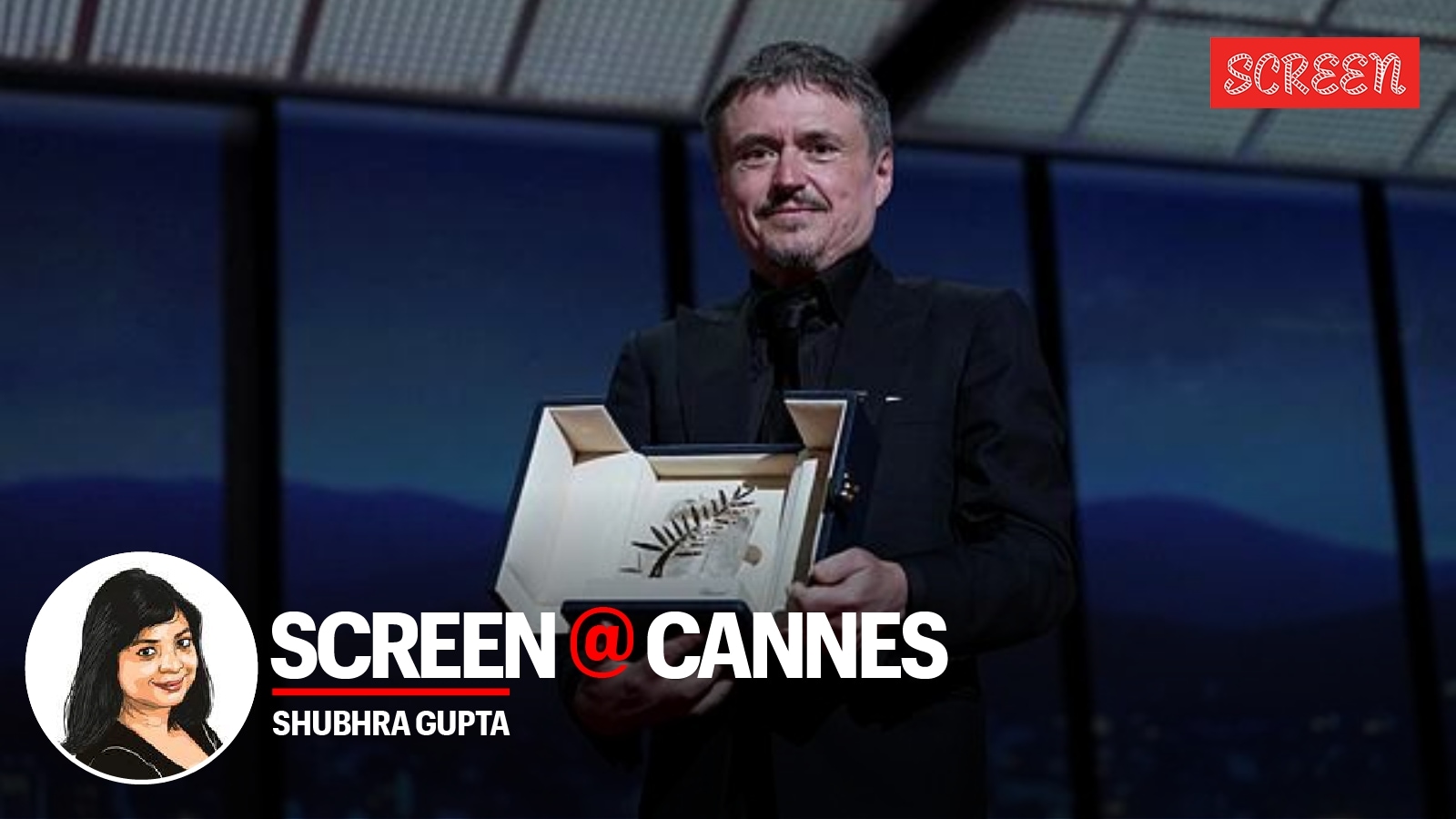
The Grand Prix, the festival’s second-highest honor, went to Andrei Zvyagintsev’s *Minotaur*, a 2024-set drama exploring the emotional and social fallout of the Russian invasion of Ukraine on oligarchs, officials, and ordinary citizens—including a forbidden couple. The Palme d’Or, the festival’s top prize, was awarded to Cristian Mungiu’s *Fjord*, a meditative drama about a religious family grappling with cultural displacement in a foreign land.
Honorary recognitions were also given. Film legend Barbra Streisand received the Honorary Palme d’Or but was unable to attend due to illness. New Zealand director Peter Jackson accepted his Honorary Palme on opening night, while actor John Travolta received a mid-festival Palme and delivered an emotional acceptance speech, calling it “beyond the Oscars.”
The festival’s competitive lineup reflected deep engagement with Europe’s historical traumas and contemporary identity struggles. Several entries revisited World War II and its aftermath, a theme the jury acknowledged amid ongoing global conflicts. LGBTQ+ narratives were equally prominent, with films like Dhont’s *Coward*, Jeanne Henry’s *Garance*, and the Javiers’ *La Bola Negra* exploring queer lives and relationships in layered, cinematic fashion.
Cannes’ global prestige was on full display along the Croisette, where the red carpets buzzed with stars, buyers, and filmmakers. The ten-day event saw packed screenings, private parties, and impromptu encounters, but veteran attendees relied on shortcuts through back alleys to navigate the overcrowded streets. With films spread across multiple sections—Competition, Un Certain Regard, Short Films, La Cinef (student films), Critics’ Week, and Directors’ Fortnight—attendees faced impossible choices, often regretting missed screenings.
India had a limited presence this year: Mehar Malhotra’s student film *Shadows of the Moonless Night* was selected in the La Cinef section, marking the beginning of a promising career, while John Abraham’s *Amma Ariyan*, a landmark in Indian independent cinema, screened in Cannes Classics. From South Asia, Nepal’s *Elephants in the Fog*, directed by Min Bahadur Bham, won the Jury Prize in Un Certain Regard. The film weaves love, loss, and longing through the lens of kinnars (third gender individuals) and the gentle giants of the jungle, embodying the festival’s closing call for empathy and compassion.