
Madagascar's Unique Biodiversity Under Threat, Advanced Technologies Aid Conservation Efforts
मुख्य बातें
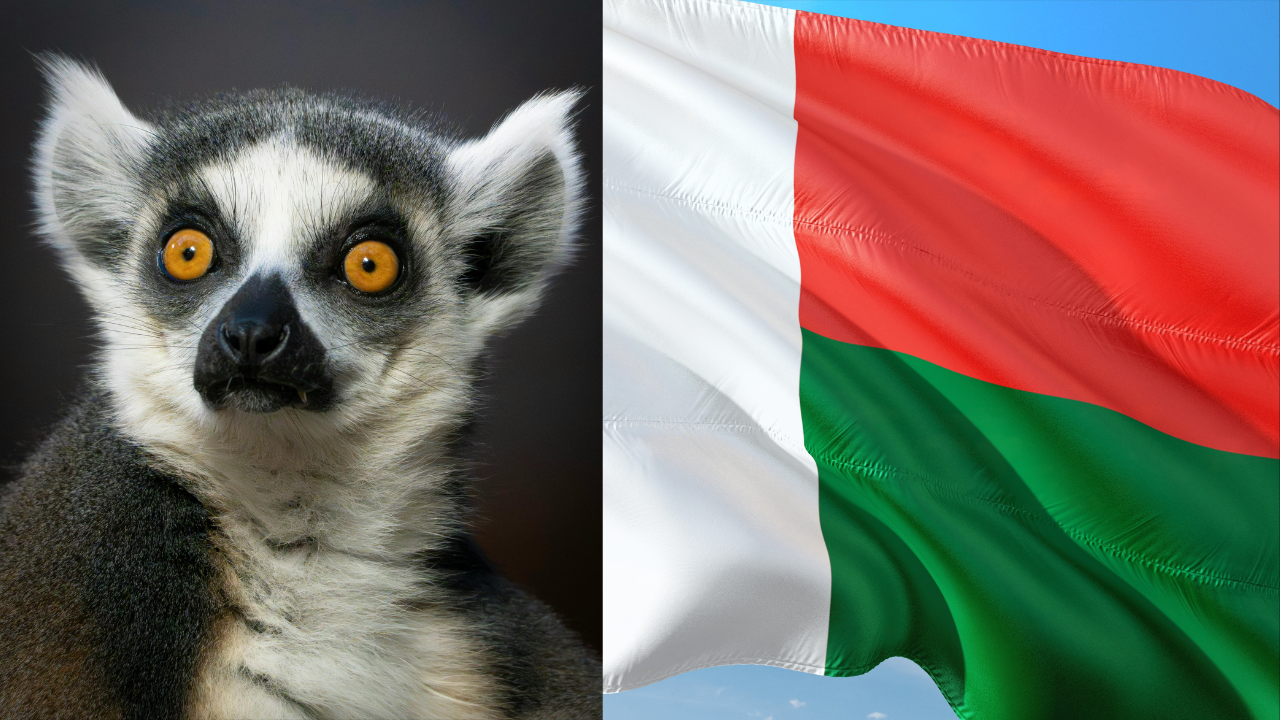
- •Madagascar is home to a vast array of endemic species, including lemurs, baobabs, and colorful chameleons, with approximately 80% of its wildlife found nowhere else on Earth.
- •Advanced technologies, such as eDNA, acoustic monitoring, and camera traps, are being used to study and conserve Madagascar's biodiversity.
- •The use of these technologies has led to significant discoveries, including the identification of new locations and distributions of various species.
- •Collaborative international conservation programs and local community initiatives are playing a crucial role in protecting Madagascar's fragile ecosystems.
- •The conservation of Madagascar's biodiversity is essential for the global environment, as the loss of biodiversity can have far-reaching consequences, including the disruption of ecosystem services.
Madagascar, an island nation off the coast of East Africa, is renowned for its exceptional plant and animal biodiversity. The island's unique ecosystem, which has been geographically isolated from mainland Africa for thousands of years, is home to a vast array of endemic species, including lemurs, baobabs, and colorful chameleons. According to the World Wildlife Organisation, approximately 80% of the wildlife found in Madagascar is endemic, meaning it can be found nowhere else on Earth. However, this delicate ecosystem is facing numerous threats, including deforestation, habitat fragmentation, illegal logging, and global warming, which are contributing to biodiversity losses at an alarming rate.