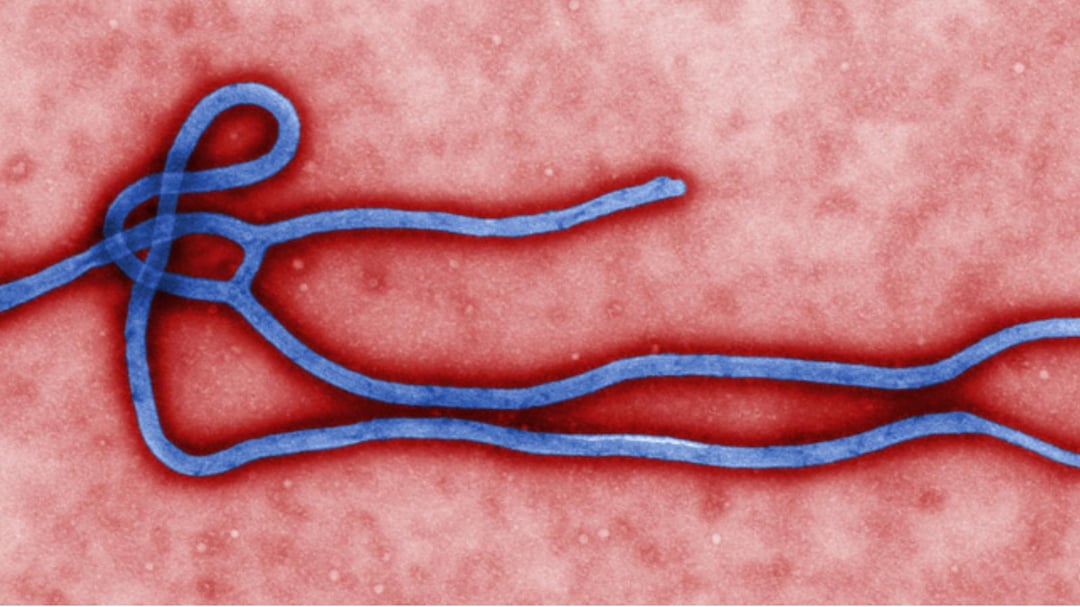
The World Health Organization (WHO) has declared the ongoing Ebola outbreak in central Africa a global public health emergency, escalating international concern over the spread of the rare Bundibugyo strain. In response, the Indian government has issued a strong advisory urging citizens to avoid non-essential travel to the Democratic Republic of the Congo (DRC), Uganda, and South Sudan. The Ministry of Health and Family Welfare announced the advisory on May 23, 2026, following the WHO’s declaration that the outbreak now meets the criteria for a Public Health Emergency of International Concern (PHEIC).
As of May 23, 2026, the outbreak has resulted in 216 confirmed deaths and 968 total cases (including suspected and confirmed) across central Africa. According to the Times of India, Uganda has reported 867 suspected cases and 204 deaths, while two cases—including one fatality—have been confirmed in South Sudan after individuals traveled from the DRC. The DRC remains the epicenter, with the outbreak affecting three provinces, including the newly affected South Kivu. The Bundibugyo strain is particularly concerning because, unlike the more common Zaire ebolavirus, it currently has no approved vaccines or treatments. WHO Director-General Tedros Ghebreyesus emphasized this vulnerability during the 79th World Health Assembly in Geneva, warning that the world remains susceptible to rapidly spreading infectious diseases such as Ebola and hantavirus.
India has not reported any cases of the Bundibugyo strain so far. However, in anticipation of potential imported cases, the Directorate General of Health Services (DGHS) has implemented strict screening and surveillance measures at all major international gateways, including Delhi’s Indira Gandhi International Airport. Mandatory in-flight health announcements will be made on flights arriving from or transiting through high-risk countries, including the DRC, Uganda, and South Sudan. Passengers are required to complete Self-Declaration Forms (SDF) and report to the Airport Health Officer (APHO) or health desk before clearing immigration if they exhibit symptoms or have had direct contact with bodily fluids of a suspected Ebola patient.
Enhanced screening protocols include 24/7 thermal screening, visual monitoring for febrile illness, and the establishment of dedicated isolation bays and rapid-response ambulances at airports. All inbound passengers from affected regions are legally required to self-monitor for 21 days upon arrival. If symptoms develop during this period, individuals must seek immediate medical care and fully disclose their travel history. These measures aim to prevent the importation and potential spread of the virus within India.
The Ebola virus, transmitted through contact with bodily fluids of infected individuals or animals, has an average case fatality rate of around 50%, though historical outbreaks have seen rates ranging from 25% to 90%. While no specific vaccine exists for the Bundibugyo strain, the WHO has approved monoclonal antibodies and vaccines for the Zaire ebolavirus. The organization stresses that controlling Ebola relies heavily on rapid surveillance, contact tracing, and community engagement. The current outbreak is the latest in a series of severe Ebola crises, with the 2014 West Africa epidemic being the most complex since the virus was identified in 1976.
Governments worldwide are tightening border controls and quarantine measures in response to the outbreak. Uganda has already closed its border with the DRC in affected areas, and other countries are expected to follow suit. The Indian government’s advisory also urges Indian citizens currently residing in or traveling to the DRC, Uganda, and South Sudan to strictly follow local public health guidance and maintain heightened precautions.
The WHO’s declaration of a global health emergency underscores the seriousness of the situation and the need for coordinated international action. While the global risk level remains classified as “low,” national and regional risks are assessed as “very high” in the DRC and “high” in neighboring countries. India’s proactive measures reflect a commitment to safeguarding public health and preventing the cross-border transmission of this deadly virus.