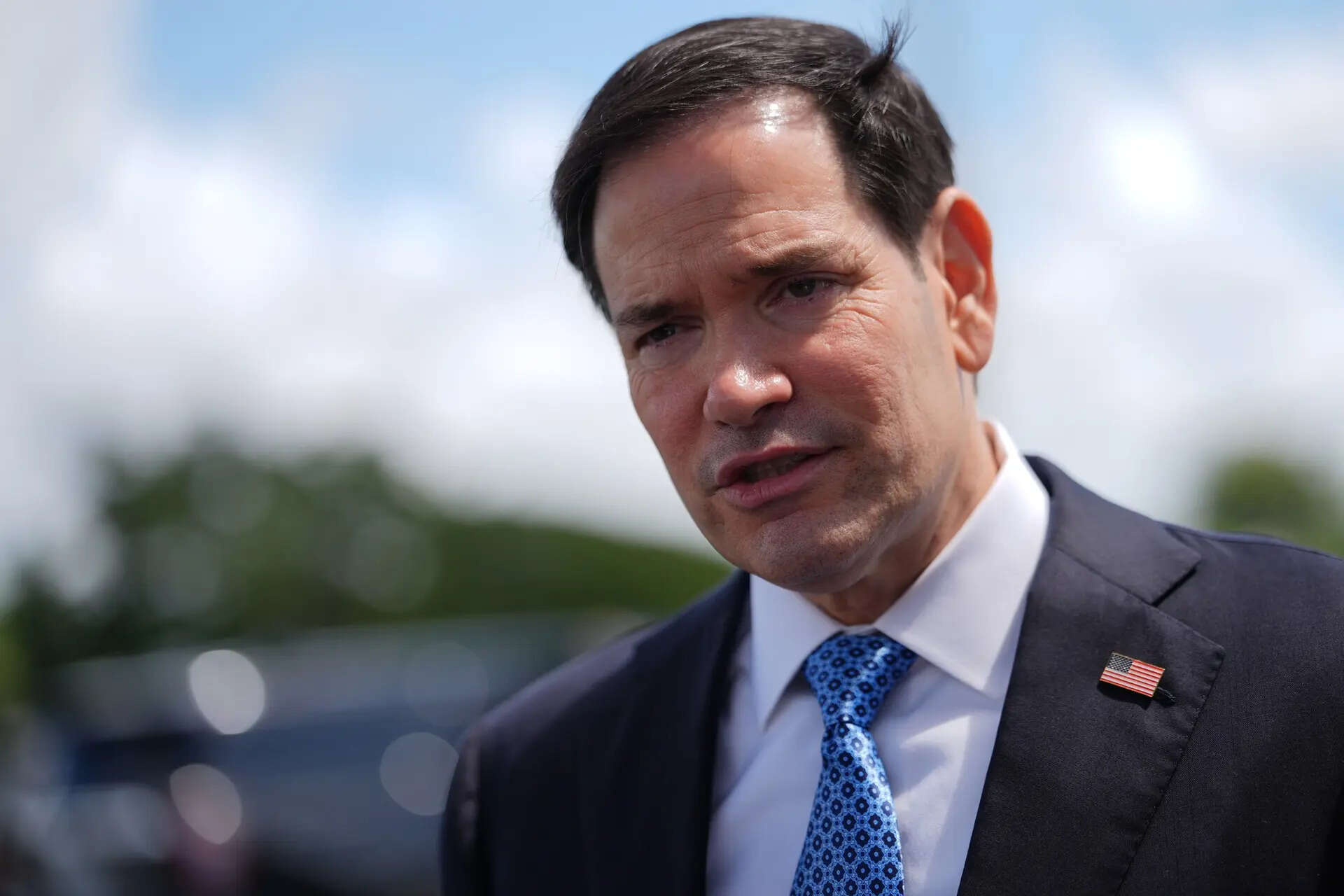
Iran has strongly rejected recent remarks by US Secretary of State Marco Rubio, who accused Tehran of "holding the global energy market hostage." In an official statement released by the Embassy of the Islamic Republic of Iran in India on Sunday, the government dismissed Rubio’s allegations as an attempt to distort regional realities and deflect attention from destabilizing policies attributed to the United States and Israel.
The embassy defended Iran’s long-standing role as a major global oil and energy exporter, emphasizing that the country remains committed to supplying energy resources to all nations, including India. According to the statement, disruptions in the global energy market are not a result of Iran’s actions but rather the consequence of unlawful US sanctions imposed on Iranian oil exports. The sanctions, the embassy argued, violate international law and the UN Charter, with the stated aim of exerting economic pressure on the Iranian population.
Rubio made his remarks during an official visit to New Delhi, where he met with Indian Prime Minister Narendra Modi. The discussions centered on energy cooperation, trade expansion under the "Mission 500" initiative, and strategic alignment in the Indo-Pacific through the Quad alliance. In a press interaction, Rubio highlighted the potential of US energy exports to help diversify India’s energy supply, which remains heavily reliant on crude oil imports facing diversification challenges.
During the visit, Rubio also commented on the ongoing negotiations related to the conflict in West Asia, suggesting that some progress had been made toward a resolution after more than two months of tensions. Speaking to reporters outside the US embassy in New Delhi, he stated, “There has been some progress made. Even as I speak to you now, some work is being done.” He further indicated that an official announcement on the matter could be expected soon, possibly within hours or days.
Rubio reiterated the importance of maintaining the free flow of shipping through the Strait of Hormuz, a critical chokepoint for global oil supply, without imposing tolls or restrictions. His remarks come amid escalating conflict in the Middle East, which has intensified volatility in global oil markets. The crisis escalated on February 28 when the US and Israel conducted joint airstrikes targeting Iran, prompting Tehran to tighten control over the Strait of Hormuz in response.
The Strait of Hormuz is a vital route for nearly one-fifth of the world’s oil supply, and any disruption in its operations could have far-reaching consequences for global energy security. The tensions have raised concerns among energy-importing nations, including India, which continues to navigate supply chain vulnerabilities and price fluctuations in crude oil markets.
The diplomatic exchange underscores the growing divide between Washington and Tehran over regional energy policies and geopolitical influence. While the US frames its sanctions as a response to Iran’s nuclear program and regional behavior, Iran maintains that these measures are coercive and counterproductive, harming both its economy and global energy stability.