Islamabad, May 24, 2026 — A breakthrough in nuclear diplomacy between the United States and Iran is in sight, with U.S. President Donald Trump announcing on May 23 that a deal has been “largely negotiated,” though it remains subject to finalisation. The proposed agreement includes the opening of the Strait of Hormuz, a critical maritime route that has been a flashpoint in past regional conflicts.
Trump shared the development on his Truth Social platform, stating that the understanding involves the U.S., Iran, and several West Asian countries, including Saudi Arabia, the United Arab Emirates, Qatar, Egypt, Jordan, Bahrain, and Turkey. He also mentioned Pakistan as a key mediator in the process. Trump’s announcement came just one day after he held a separate call with Israeli Prime Minister Benjamin Netanyahu, which he described as having “gone very well.”
Pakistan’s Prime Minister Shehbaz Sharif echoed the optimism on May 24, expressing hope that Islamabad could soon host the next round of peace talks between Iran and the U.S. “Pakistan will continue its peace efforts with utmost sincerity, and we hope to host the next round of talks very soon,” Sharif posted on X (formerly Twitter). Pakistan has played a pivotal role in mediating between Washington and Tehran, reinforcing its position as a diplomatic bridge in the region.
The potential deal has drawn regional attention, with leaders from Saudi Arabia, the UAE, Qatar, Egypt, Jordan, and Bahrain participating in a call on May 23 to discuss the proposal. Iran’s chief negotiator, Mohammad Bagher Ghalibaf, had earlier warned that any resumption of hostilities by the U.S. would provoke a strong response. This follows reports in U.S. media about the possibility of new strikes and accusations from Iranian officials that Washington is making “excessive demands” in the negotiations.
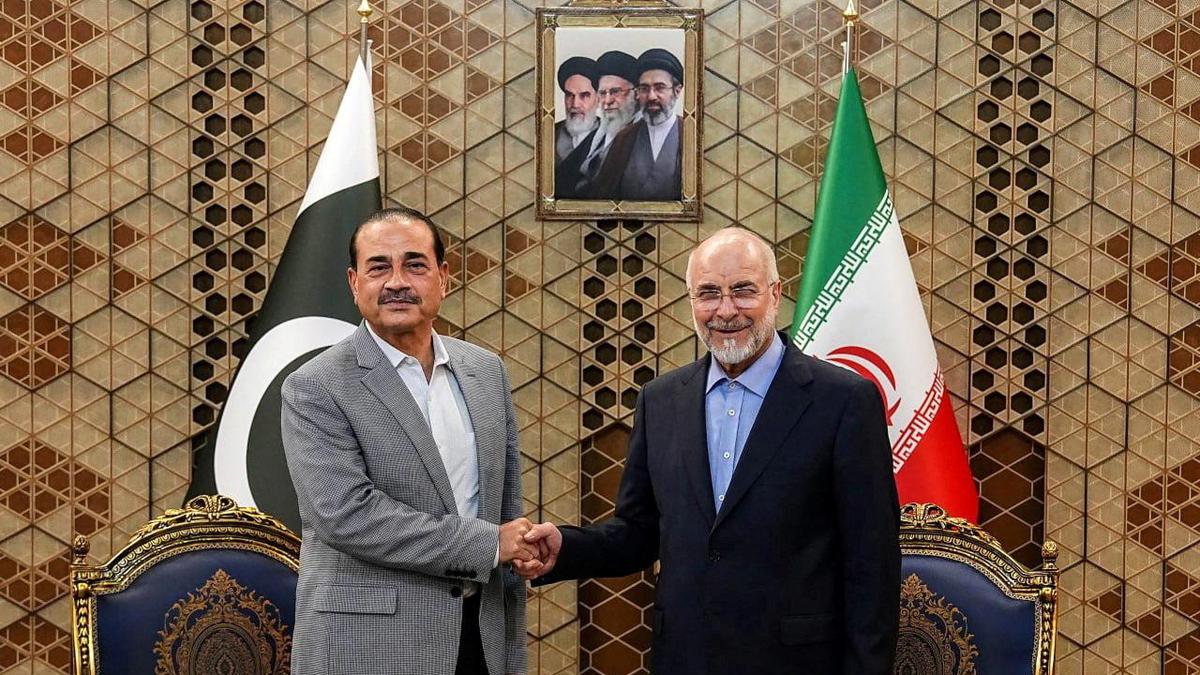
Ghalibaf, who also serves as the Speaker of Iran’s Parliament, met with Pakistan’s Chief of Defence Forces, Field Marshal Asim Munir, in Tehran on May 23. The meeting underscores the growing collaboration between Iran and Pakistan on regional security matters, particularly as the nuclear deal inches closer to reality.
The Strait of Hormuz, a vital shipping lane through which a significant portion of the world’s oil passes, has been a contentious issue in past U.S.-Iran relations. Opening the strait as part of the deal could signal a major de-escalation in tensions, though analysts caution that finalising the agreement will require overcoming longstanding mistrust and addressing the concerns of all parties involved.
Trump’s announcement has sparked cautious optimism among regional leaders, though scepticism remains due to the history of failed negotiations between the two countries. The inclusion of multiple West Asian nations in the discussions reflects a broader effort to ensure regional stability and prevent further conflict.
As the world watches, Pakistan’s offer to host the next round of talks could play a decisive role in bringing the negotiations to a successful conclusion. The coming weeks will be critical in determining whether this latest diplomatic effort will yield a lasting peace or another setback in the decades-long standoff between the U.S. and Iran.