Iran Rejects New U.S. Peace Proposal as Nuclear Talks Face Deadlock
मुख्य बातें
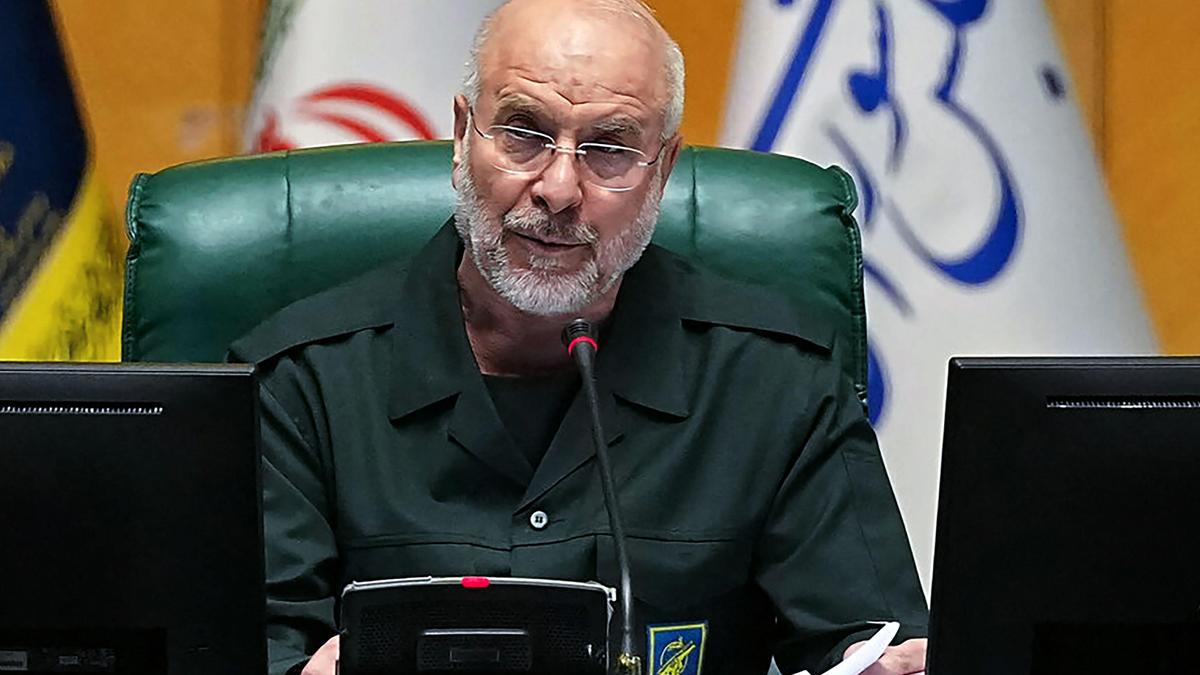
- •Iran rejects a new, tougher U.S. peace proposal, with chief negotiator Mohammad Bagher Ghalibaf stating Tehran will not agree to any deal that does not fully secure Iranian rights.
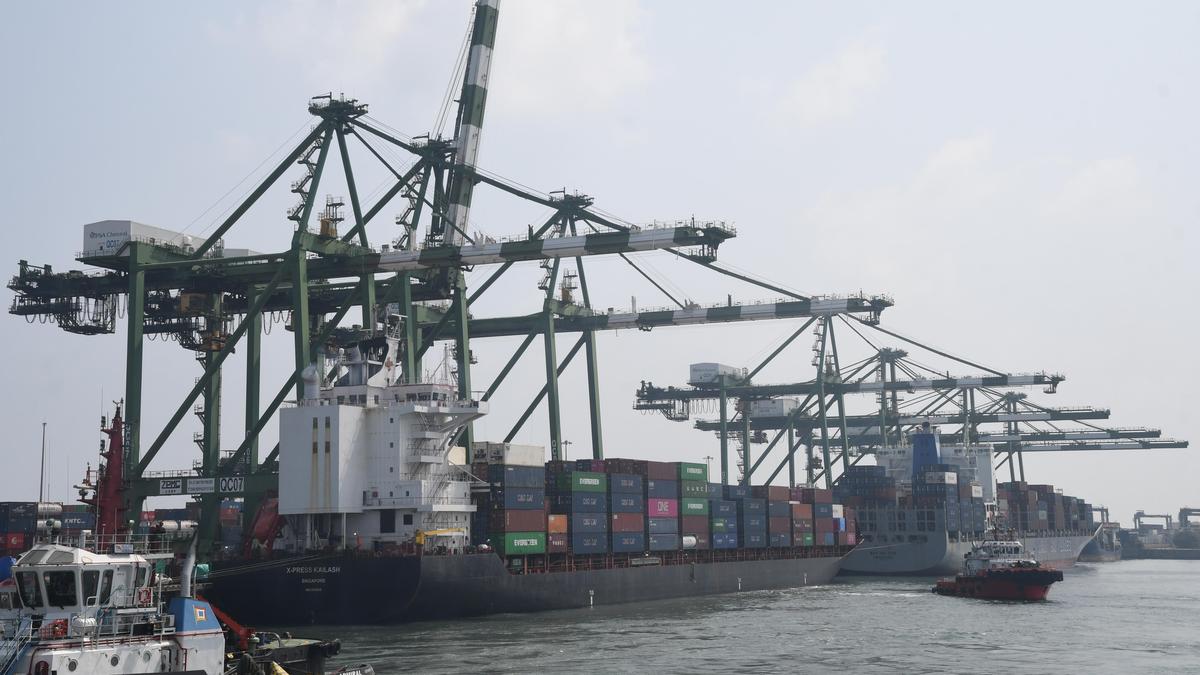
- •U.S. President Donald Trump insists his priorities include preventing Iran from developing nuclear weapons and reopening the Strait of Hormuz, but Iran remains skeptical of U.S. guarantees.
- •Iran demands the release of $12 billion in frozen assets and insists Lebanon be included in any deal, while sporadic violence continues despite a temporary ceasefire.
- •In Lebanon, Israel escalates military operations, capturing Beaufort Castle and expanding ground offensives against Hezbollah, prompting accusations of a “scorched-earth policy” from Lebanese leaders.
- •Diplomatic efforts face mounting pressure as both sides remain far apart on key issues, including control of the Strait of Hormuz and Iran’s nuclear program.
Tensions between Iran and the United States escalated on Sunday (May 31, 2026), as Iran’s chief negotiator, Mohammad Bagher Ghalibaf, categorically rejected a new U.S. peace proposal, stating that Tehran would not agree to any deal that does not fully secure Iranian rights. Ghalibaf’s remarks came amid reports that U.S. President Donald Trump had sent a tougher framework back to Iran, signaling a widening rift between the two sides. The negotiations, aimed at formally ending the West Asia war and reopening the Strait of Hormuz, have been marred by sharp rhetoric and sporadic violence, further delaying a resolution after weeks of fraught discussions.