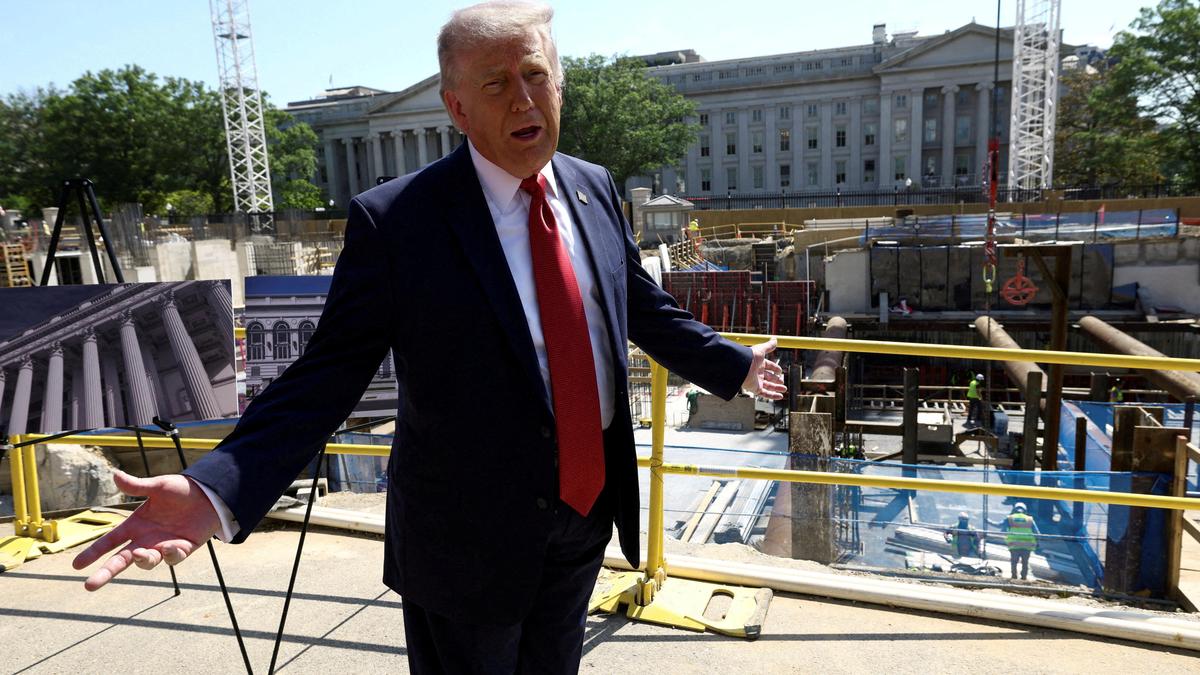
US President Donald Trump announced on May 23, 2026, that a nuclear agreement with Iran had been “largely negotiated,” though he cautioned it remained subject to finalisation. In a post on Truth Social, Trump stated the deal involved the United States, Iran, and several West Asian nations, along with Turkey and Pakistan as mediators. He listed these countries explicitly, underscoring the regional and international scope of the negotiations. The proposed agreement reportedly includes provisions to open the Strait of Hormuz, a critical maritime chokepoint through which a significant portion of the world’s oil supply passes. Trump’s announcement signals a potential diplomatic breakthrough after years of strained relations between Washington and Tehran.
On the diplomatic front, US Secretary of State Marco Rubio arrived in New Delhi on May 24, 2026, for high-level engagements aimed at strengthening bilateral ties with India. Rubio will hold bilateral talks with India’s External Affairs Minister S. Jaishankar on May 24 and will also participate in the Quad Foreign Ministers’ Meeting (FMM) on May 26, alongside ministers from Australia and Japan. Rubio described his visit as an effort to “renew” Quad engagement, highlighting the leadership of Indian Prime Minister Narendra Modi and President Trump in driving the US-India partnership forward. The Quad meeting is expected to focus on regional security, maritime cooperation, and technological collaboration in the Indo-Pacific region.
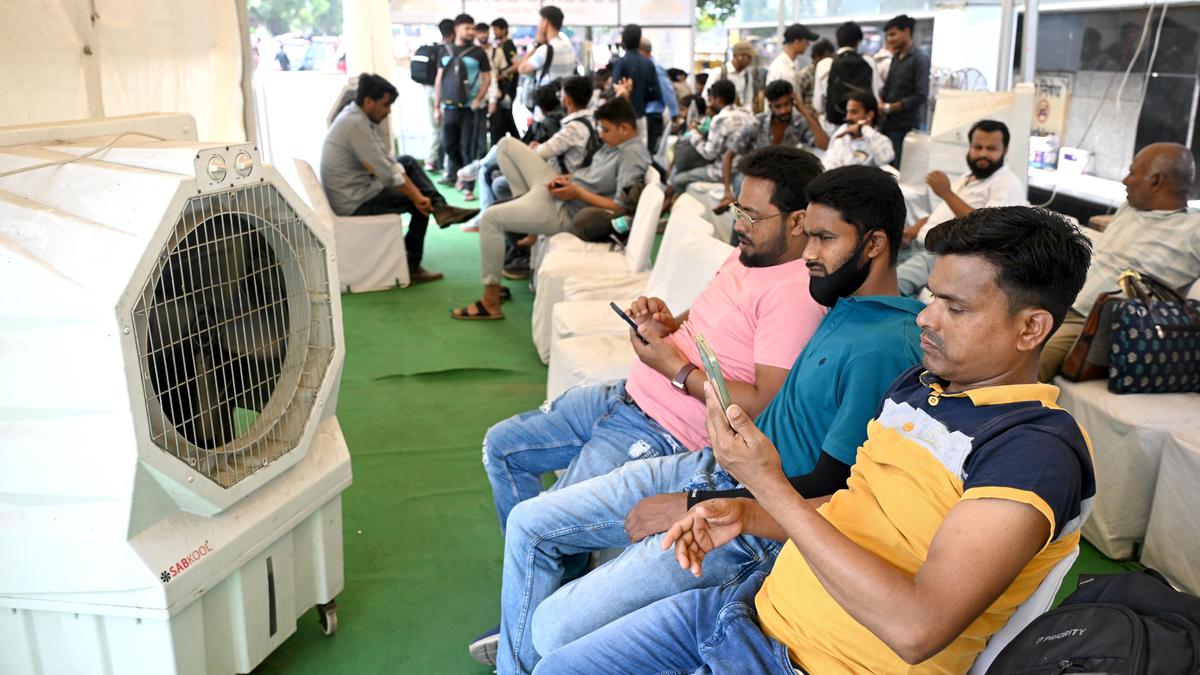
Meanwhile, large parts of India continued to reel under a severe heatwave, with the India Meteorological Department (IMD) warning of further temperature rises from May 24, 2026, across Delhi, Punjab, Haryana, and Chandigarh. The extreme heat has not only affected human health but has also disrupted daily life, with reports of increased heat-related stress and infrastructure strain. Authorities have urged residents to take precautionary measures as the country braces for more scorching days ahead.
In a separate development, China is set to launch the Shenzhou-23 spacecraft on May 24, 2026, carrying three astronauts for a groundbreaking year-long mission at the Tiangong space station. Scheduled for lift-off at 11:08 p.m. local time (1508 GMT) from the Jiuquan Satellite Launch Center in northwest China, the mission will use the Long March-2F Y23 carrier rocket. This mission marks the longest duration for a Chinese crew in space to date and is a critical step toward Beijing’s ambition of landing astronauts on the moon by 2030. The prolonged stay will enable extensive research on long-duration human physiology in microgravity, essential for future lunar and deep-space missions.
In domestic Indian politics, the website of the Cockroach Janta Party (CJP), a satirical political outfit led by founder Abhijeet Dipke, was taken down on May 23, 2026, at 9 a.m. Dipke accused the Indian government of orchestrating the shutdown and claimed the website had amassed nearly 10 lakh (one million) members. The removal of the site has sparked debate over internet freedom and government oversight of online platforms. The CJP has been known for its sharp political satire and criticism of mainstream parties.
Defence Minister Rajnath Singh inaugurated the NIBE Group’s Defence Manufacturing Complex in Shirdi, Maharashtra, on May 23, 2026, in the presence of Maharashtra Chief Minister Devendra Fadnavis. The facility will manufacture advanced artillery systems, missile and space technologies, rocket systems, energetic materials, and autonomous defence platforms. Singh emphasized that countries capable of producing their own weapons shape their own destiny, reinforcing India’s push for self-reliance in defence production under the ‘Make in India’ initiative.
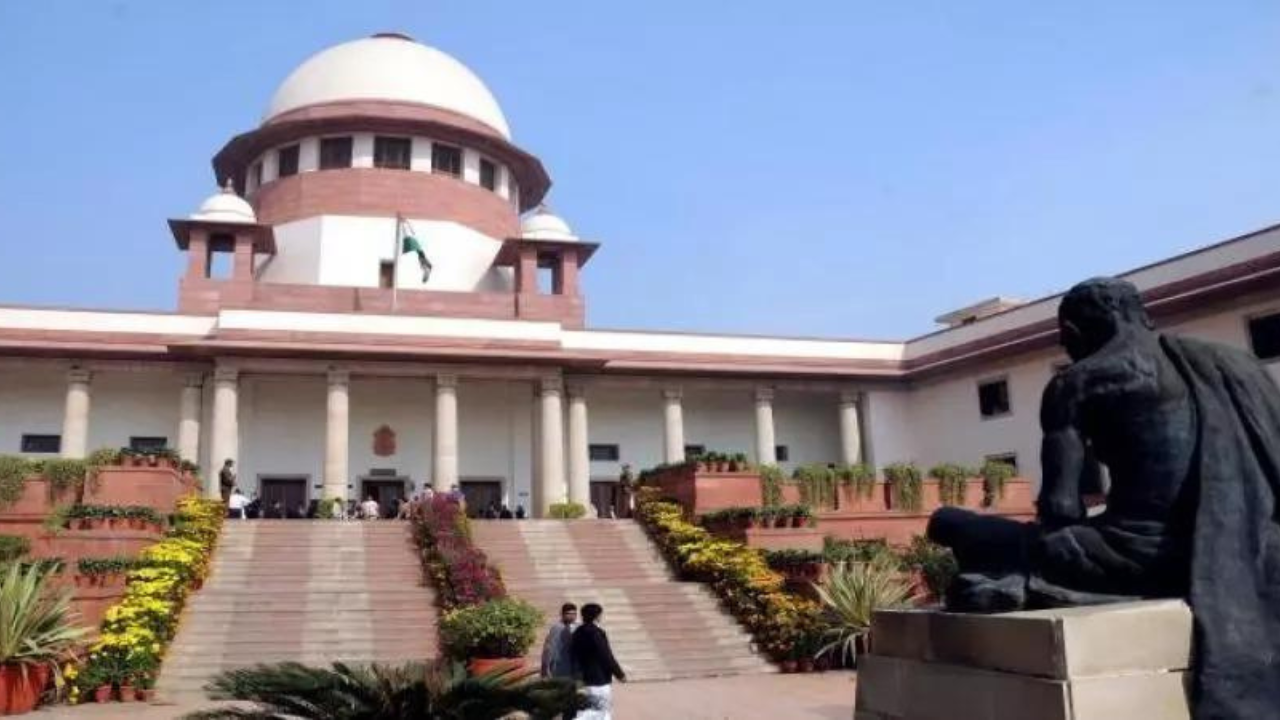
The Supreme Court of India took suo motu cognizance on May 23, 2026, of the alleged dowry death of Twisha Sharma, a Noida resident, following allegations of evidence tampering and procedural irregularities by her in-laws. A three-judge bench led by Chief Justice of India Surya Kant, along with Justices Joymalya Bagchi and Vipul M. Pancholi, will hear the matter on May 25. The case has drawn widespread attention and raised concerns about the enforcement of anti-dowry laws and protection of women’s rights in the country.
The World Health Assembly (WHA) adopted a landmark resolution on May 22, 2026, recognising stroke as a global public health priority for the first time. The resolution urges member states to integrate stroke prevention, acute care, rehabilitation, and long-term support into national health policies. This move is expected to accelerate efforts to reduce the rising burden of stroke-related disability and mortality worldwide.
In Manipur, Chief Minister Yumnam Khemchand Singh assured on May 23, 2026, that a National Investigation Agency (NIA) probe will be conducted into the abduction of six Naga men by Kuki extremists. The crisis has kept the state on edge, even as the Kuki Inpi Manipur extended a shutdown by another 48 hours, demanding the release of 14 Kuki individuals, including three minors, allegedly held by Nagas. The standoff highlights ongoing ethnic tensions in the region.
In West Bengal, Chief Minister Suvendu Adhikari admitted on May 24, 2026, that recruitment scams during the previous Trinamool Congress regime had brought infamy to the state. He announced that his government will introduce a new recruitment policy during the next Budget session of the assembly to restore transparency and integrity in public sector hiring. The move follows public outrage over irregularities in government job appointments.
In Uttar Pradesh, public opposition to frequent power cuts has intensified amid the heatwave, with opposition parties calling the situation a “structural failure” of the state’s power infrastructure. Residents have staged protests, demanding immediate measures to improve electricity supply and reliability as temperatures soar across the state.