Delhi’s Road Sweeper Coverage Reaches Only 18% of Population, CEEW Study Finds
मुख्य बातें
- •Only 18% of Delhi’s population (about 4 million out of 22 million) benefits from mechanical road sweeper (MRSM) operations, according to a CEEW study.
- •% of current sweeping coverage is in residential areas, while commercial zones with higher dust resuspension remain underserved.
- •of 13 DPCC-identified pollution hotspots in Delhi cite dust as a major pollutant, including Anand Vihar, Ashok Vihar, and Mundka.
- •CEEW warns that expanding the MRSM fleet without improving route planning, waste handling, and road maintenance may not improve air quality effectively.
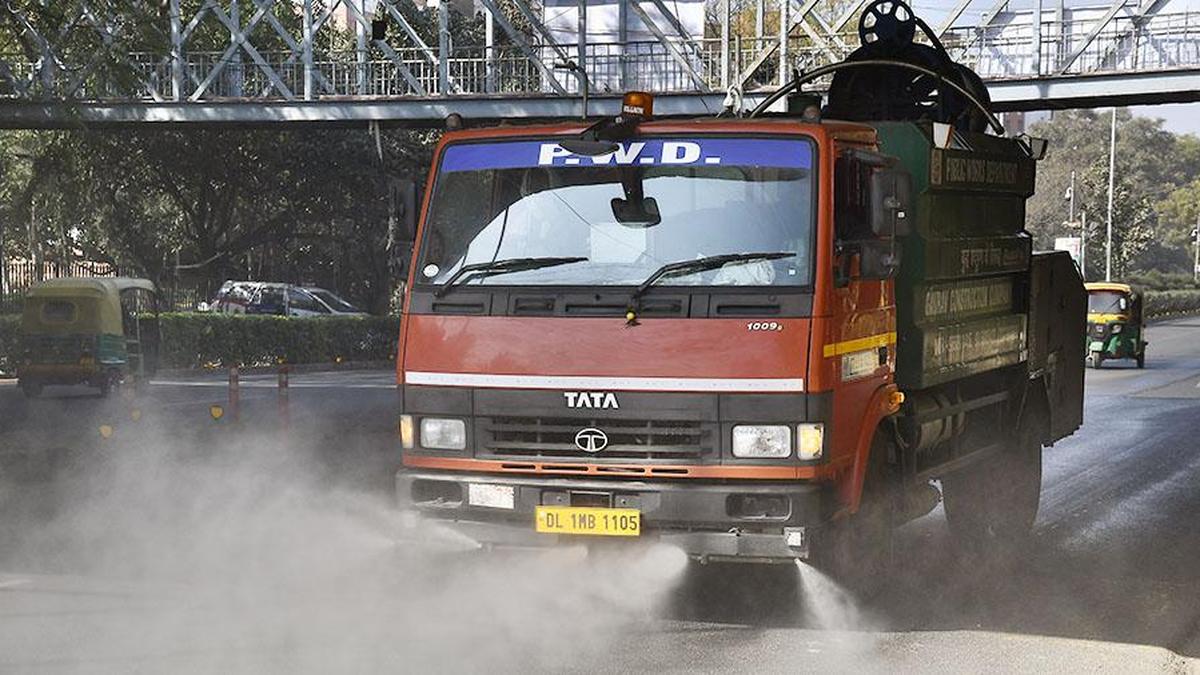
A recent study by the Council on Energy, Environment and Water (CEEW) has highlighted a significant gap in Delhi’s efforts to control road dust pollution. According to the report, mechanical road sweeper machines (MRSMs) currently cover only 18% of the city’s population—approximately four million out of an estimated 22 million residents. The study underscores the need for strategic expansion of these services, particularly in areas identified as dust pollution hotspots.
Delhi currently operates 52 mechanical road sweepers, collectively cleaning nearly 1,200 kilometers of road. The CEEW analysis mapped a 50-meter buffer around these routes to estimate the population benefiting from this service. The choice of 50 meters was based on evidence that coarse resuspended particles removed by the machines typically do not disperse beyond 30 to 50 meters. Despite this, the study found that only about 18% of Delhi’s population falls within this coverage area. The report also revealed that 42% of the current sweeping coverage is concentrated in residential zones, while commercial areas—where dust resuspension rates are higher due to increased vehicle movement—remain substantially underserved.