In a landmark policy announcement marking the beginning of the 16th Kerala Legislative Assembly, Governor Rajendra Arlekar outlined sweeping reforms in public health and elderly welfare, positioning the state as a model for inclusive and equitable healthcare delivery. Speaking at the inaugural session in Thiruvananthapuram on May 29, 2026, Arlekar introduced two major initiatives: the creation of a standalone Department for Senior Citizens’ Welfare and the launch of the “Oommen Chandy Aarogya Insurance Scheme,” offering free annual health coverage of ₹25 lakh per family.
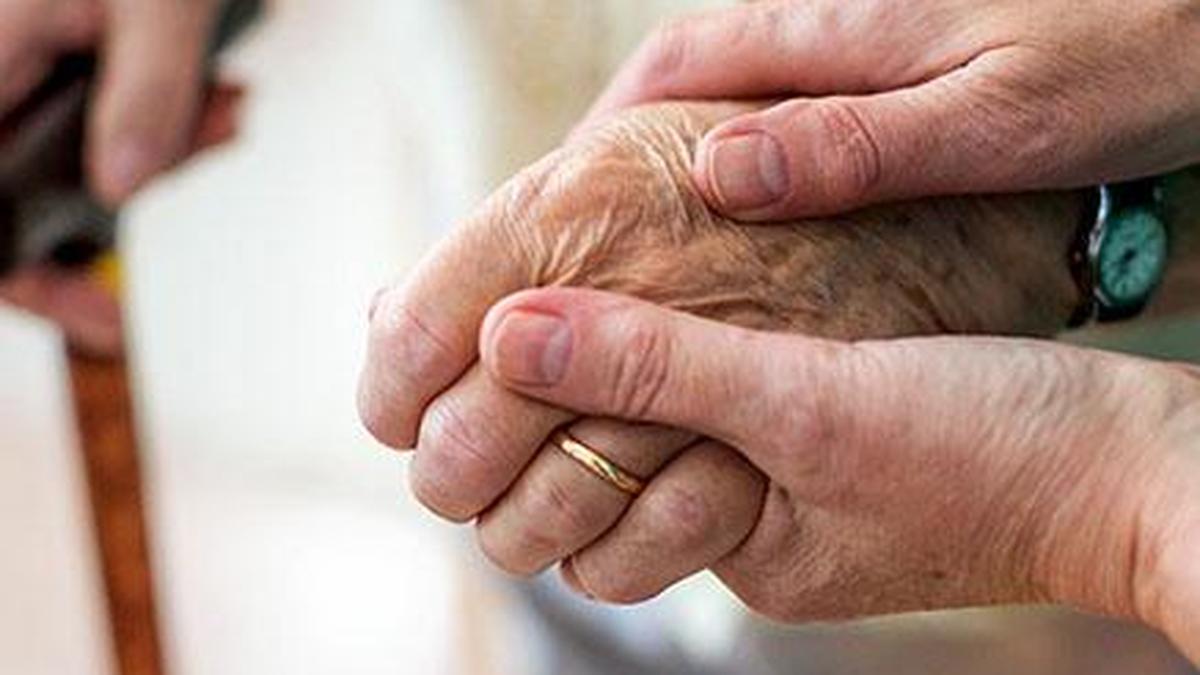
The establishment of a dedicated department for senior citizens comes at a critical juncture as Kerala undergoes rapid demographic transition. Official data shows that 18.7% of the state’s population is now aged above 60 years, with a significant proportion living with chronic multimorbidities. The new department aims to consolidate fragmented welfare and health services currently spread across the Social Justice, Health, and Local Self-Government departments. By integrating these functions under one roof, the government intends to create a continuum of care, ensuring seamless access to medical, social, and support services for the elderly.
The health insurance scheme, a flagship promise under the UDF government’s “five Indira Guarantees,” offers ₹25 lakh annual coverage per family. However, details regarding eligibility—whether universal or restricted to Below Poverty Line (BPL) families—and whether it will replace the existing Karunya Arogya Suraksha Padhati (KASP) are awaited. The scheme is expected to provide much-needed financial protection against high medical costs, especially for families facing chronic illness or elderly care.
Addressing the broader healthcare system, Arlekar emphasized restoring and strengthening public health institutions across the state. He highlighted the need to modernize medical colleges, district hospitals, and taluk hospitals, ensuring balanced development and equitable access. “Healthcare is a fundamental public responsibility,” he stated, reaffirming the government’s commitment to preserving Kerala’s long-standing reputation as a leader in public health.
The policy address also outlined a multi-pronged strategy focusing on preventive healthcare, mental health, palliative care, and geriatric services. Primary health centers (PHCs) will be prioritized for digital integration and expanded specialist services, with special attention given to lifestyle diseases, cancer care, maternal health, and child nutrition. To further strengthen community-based healthcare, the government plans to launch “Care Cabin” support centers in all Collectorates, offering legal aid, healthcare, and protection services for senior citizens.
Elderly welfare initiatives received special emphasis, including the phased transformation of all cities into elderly-friendly urban spaces. The Vayomithram Project—currently operational in select areas—will be expanded to all block panchayats, providing home-based healthcare and mental health support for senior citizens. To combat cognitive decline and dementia, the state will expand Smrithi Cafes, dementia day-care centers, and specialized memory clinics, coupled with public awareness campaigns promoting healthy aging.
In his concluding remarks, Arlekar underscored the government’s commitment to advancing medical and nursing education, as well as healthcare research. He envisioned Kerala not only maintaining but elevating its position as a global destination for affordable, high-quality healthcare, ensuring that the legacy of its health achievements continues to inspire future generations.