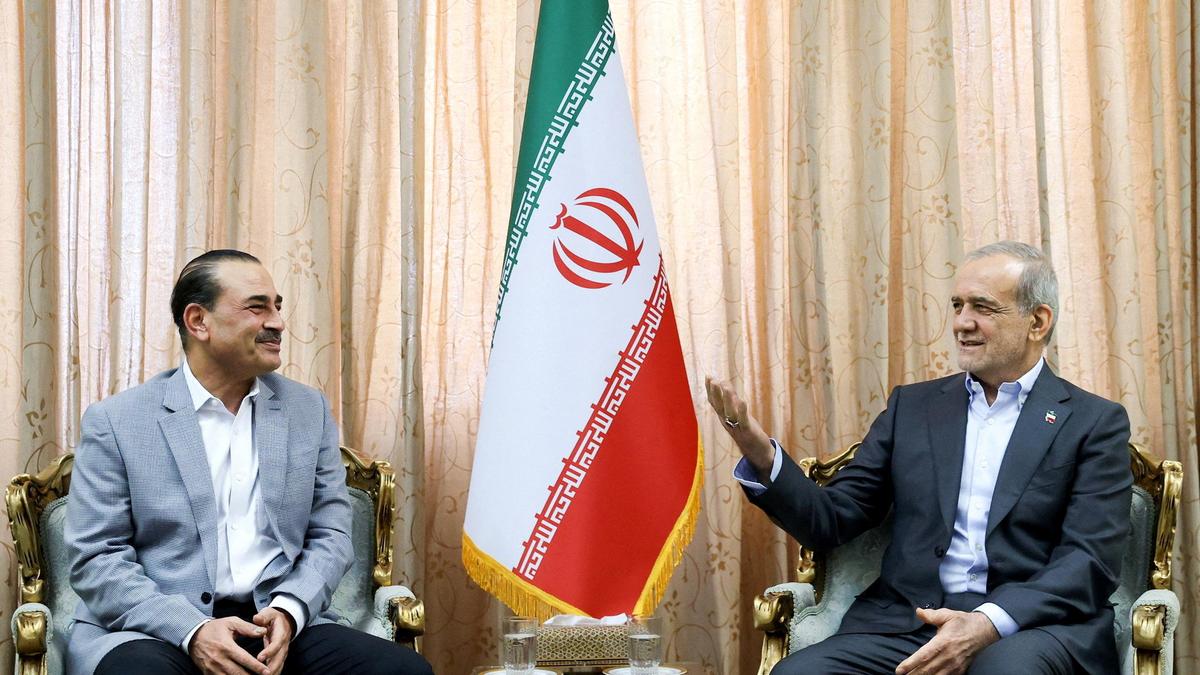
TEHRAN/ISLAMABAD/NEW YORK, May 24, 2026 — Iran and the United States are in the final stages of negotiations to end their ongoing war, with Pakistan emerging as a key mediator through a high-level visit by Field Marshal Asim Munir. The Pakistani Army Chief met senior Iranian officials, including President Masoud Pezeshkian, in Tehran on May 23, 2026, as part of a mediation effort aimed at securing a ceasefire and broader understanding between Washington and Tehran.
In a social media statement on May 23, Iran’s Ambassador to Pakistan, Reza Amiri Moghadam, called the mediation a “positive stride” and expressed cautious optimism about the prospects of peace. “With conservative optimism, we can hope that, if the other side is adequately committed, a positive stride is taking shape,” he wrote on X, thanking Pakistani leadership, including Prime Minister Shehbaz Sharif, Interior Minister Mohsin Naqvi, Deputy Prime Minister Ishaq Dar, and Army Chief Asim Munir, for their “sincere endeavours.” Moghadam added, “On my behalf, I extend my sincere and wholehearted gratitude to all of them for their sincere endeavours.”
The Pakistan Army confirmed that Munir’s visit, which concluded on May 24, was aimed at ending the conflict. Following the talks, Pakistan stated that there had been “encouraging progress toward a final understanding,” though no final agreement had been reached. The mediation efforts come amid intense diplomatic activity involving multiple Middle Eastern countries, including Qatar, Egypt, Türkiye, Saudi Arabia, and Pakistan, which have conducted multiple rounds of talks over the past 24 hours.
Meanwhile, U.S. President Donald Trump told Axios on May 24 that he would meet negotiators later in the day to review Iran’s latest offer, with a final decision on whether to resume military action expected by May 25. Trump described the situation as a “solid 50/50” chance of either securing a “good” agreement with Iran or launching a stronger military strike. “I think one of two things will happen: either I hit them harder than they have ever been hit, or we are going to sign a deal that is good,” Trump said. He is scheduled to discuss Iran’s response with key advisers, including special envoy Steve Witkoff, Jared Kushner, and Vice President JD Vance.
The proposed agreement reportedly includes the gradual reopening of the Strait of Hormuz, easing of the U.S. blockade on Iran, and the release of frozen Iranian funds. Iran’s foreign ministry spokesperson confirmed on May 24 that Tehran and Washington were in the final stages of discussions on a memorandum of understanding aimed at ending the war. A 30-to-60-day negotiation period on a broader agreement would follow if the initial memorandum is finalized. Key sticking points remain unresolved, particularly Iran’s uranium enrichment program. Trump has insisted that any deal must address uranium enrichment and the future of Iran’s enriched uranium stockpile.
Secretary of State Marco Rubio reiterated that Iran “can never have a nuclear weapon” and emphasized that the Strait of Hormuz must be reopened “without tolls.” The negotiations have reportedly exposed divisions among U.S. allies and advisers. Senator Lindsey Graham told Axios that some regional leaders urged Trump to launch stronger military strikes to weaken the Iranian regime, while others warned that further attacks could destabilize Gulf oil infrastructure and threaten shipping routes.
Israeli Prime Minister Benjamin Netanyahu and senior Israeli officials have been in close contact with the White House regarding the emerging deal. While Trump described Netanyahu as “torn,” Israeli officials have expressed concerns over the terms under discussion and reportedly pushed for another round of military strikes. In a post on Truth Social on May 24, Trump announced that an agreement had been “largely negotiated” between the United States, Iran, and several allied nations. He said he had held a “very good call” with leaders from Saudi Arabia, the United Arab Emirates, Qatar, Pakistan, Türkiye, Egypt, Jordan, and Bahrain regarding what he described as a “Memorandum of Understanding pertaining to PEACE.” Trump added that the final aspects of the agreement were still being discussed and would be announced shortly.
The diplomatic breakthrough follows months of escalating tensions and military pressure in the region, with the reopening of the Strait of Hormuz forming a critical component of the proposed deal.