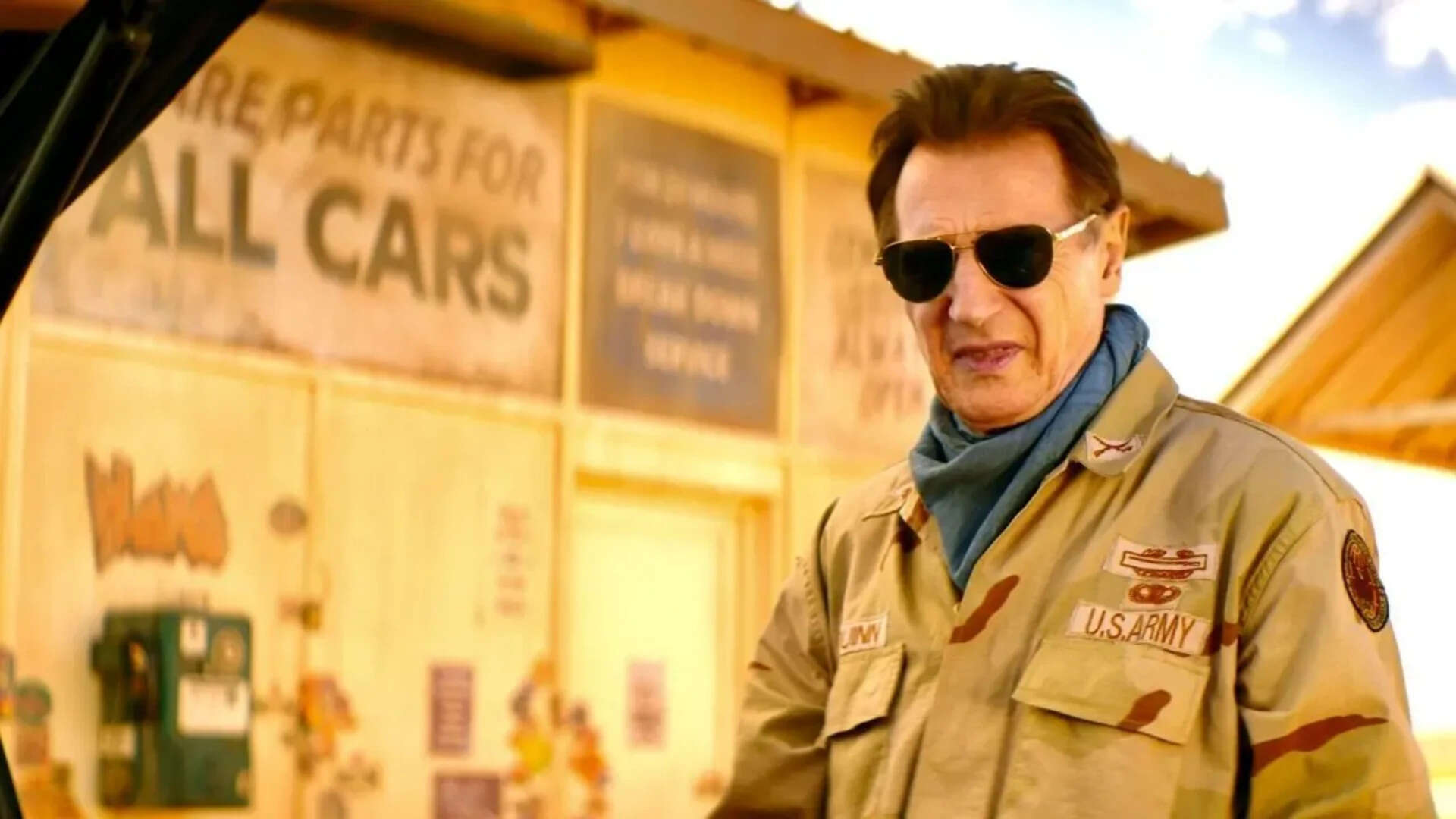
Liam Neeson’s journey from a working-class background in Northern Ireland to becoming one of Hollywood’s most respected actors is a testament to resilience, reinvention, and the power of perseverance. Born on June 7, 1952, in Ballymena, Neeson’s path to stardom was far from immediate. After studying at Queen’s University Belfast, he dropped out to pursue acting, joining the Lyric Players’ Theatre in Belfast. For years, he honed his craft in theatre and modest film roles, including appearances in *Excalibur* (1981) and *The Mission* (1986), gradually building a reputation as a serious dramatic performer.
Neeson’s breakthrough came in 1993 with his Oscar-nominated portrayal of Oskar Schindler in Steven Spielberg’s *Schindler’s List*. The role not only introduced him to a global audience but also cemented his status as one of the finest actors of his generation. His performance earned him nominations for both the Academy Award and the Golden Globe, marking the beginning of a career defined by versatility and depth. From historical epics like *Michael Collins* (for which he won the Silver Bear at the Berlin International Film Festival) to action films like *Batman Begins* (where he played Ra’s al Ghul) and the iconic *Taken* franchise, Neeson has seamlessly transitioned between genres, reinventing himself multiple times.
His ability to adapt and persist was underscored in a 1994 interview with *The New York Times Magazine*, where he shared a simple yet profound philosophy on rejection. In a feature titled *"It's... Liam Neeson,"* he reflected on the years of "no" before his breakthrough, stating, *"If I get rejected for a part, I pick myself up and say, 'OK, not today, maybe tomorrow I'll get this other part or something."* This quote, delivered at the height of his post-*Schindler’s List* fame, was not a fleeting soundbite but a reflection of his mindset throughout his career. Neeson’s words capture the essence of resilience—not allowing rejection to define one’s worth or future, but viewing it as a temporary pause rather than a final verdict.
Neeson’s career is a study in adaptability. At 56, he reinvented himself as an action star with *Taken*, a role that launched one of Hollywood’s most unexpected late-career franchises. His performances in *Star Wars: The Phantom Menace* (as Qui-Gon Jinn) and Martin Scorsese’s *Silence* further showcased his range, from historical drama to spiritual introspection. Even in his personal life, Neeson has demonstrated strength in the face of profound loss. The 2009 skiing accident that claimed the life of his wife, actress Natasha Richardson, left him to navigate unimaginable grief alongside their two sons, Micheál and Daniel. His public reflections on loss have added authenticity to his earlier words about resilience, proving that his philosophy extends beyond the screen.
What makes Neeson’s approach so compelling is its universality. His advice—*"not today, maybe tomorrow"*—resonates far beyond acting, offering a blueprint for perseverance in any competitive field. Rejection, he suggests, is not an exception but the rule, especially in industries like acting where countless auditions end in "no." The difference between those who succeed and those who falter often lies in their capacity to absorb rejection without letting it shape their identity. Neeson’s career exemplifies this: he was a working actor chasing roles for years before the world noticed, long before *Taken* or *Schindler’s List* brought him global acclaim.
Today, Neeson stands as a symbol of enduring talent, adaptability, and quiet strength. His journey—from Belfast’s theatre stages to Hollywood’s grandest screens—is a reminder that success is not about avoiding rejection but about persisting through it. Whether reflecting on his early struggles in a 1994 interview or navigating personal tragedy, Neeson’s story is a masterclass in resilience, proving that greatness is often forged in the moments when doors close but the spirit refuses to.