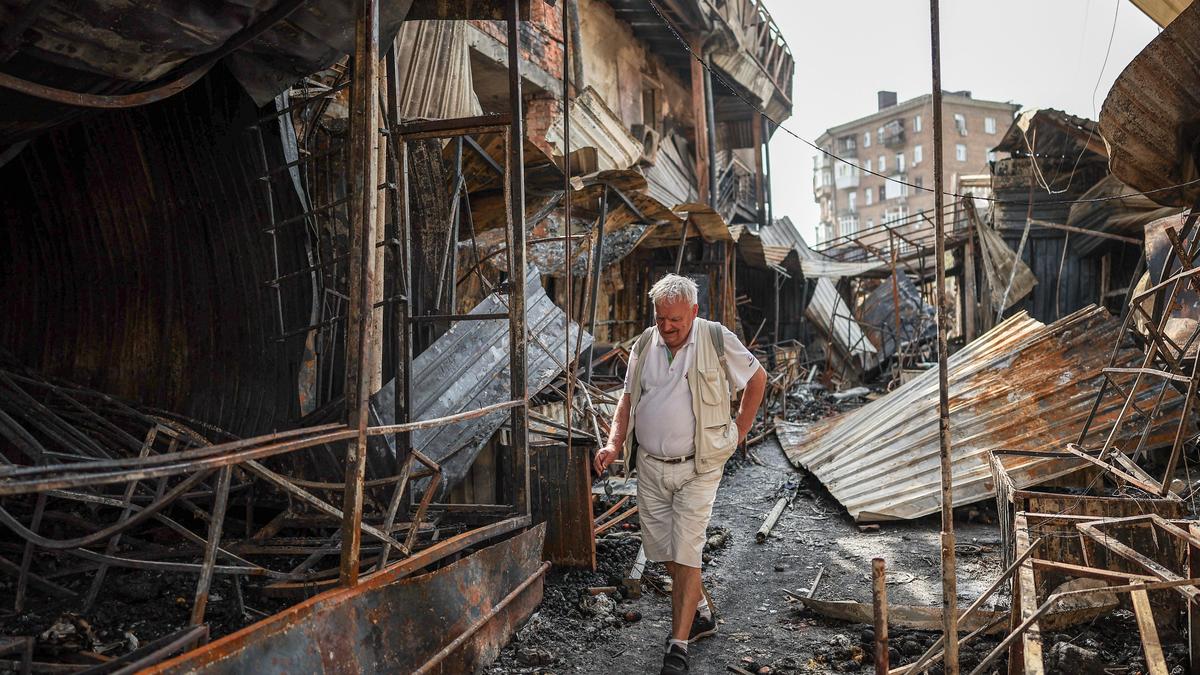
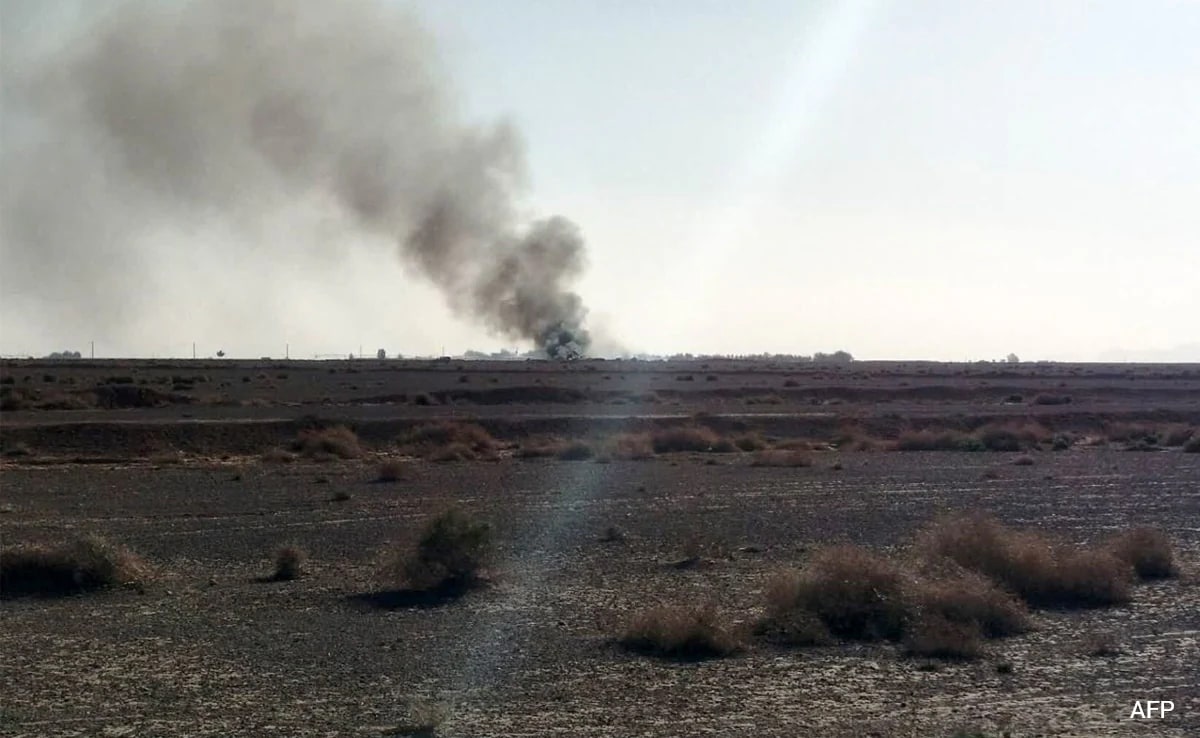
Kyiv faced fresh devastation on Monday, May 25, 2026, as Russia announced plans for intensified missile and drone strikes on the Ukrainian capital, including strikes on “decision-making centres.” The announcement came just days after a weekend barrage that killed four people, injured dozens, and caused widespread damage across the city. Among the weapons reportedly used was the Oreshnik hypersonic missile, capable of flying at ten times the speed of sound and potentially armed with nuclear warheads, according to Russian military claims.
Over the weekend, Russia launched a large-scale attack involving drones and missiles, resulting in multiple casualties and destruction of civilian infrastructure. The strikes followed a Russian accusation that Ukraine had targeted a vocational school in the Russian-occupied Lugansk region, killing 21 people. Russian President Vladimir Putin responded by ordering retaliatory strikes against Ukrainian military and industrial facilities in Kyiv. In a statement issued Monday, Russia’s Foreign Ministry said its forces would begin “systematic strikes against Ukrainian military-industrial facilities” in Kyiv, targeting both command posts and decision-making centres.
The Russian ministry also repeated a warning for foreign citizens—including diplomatic staff and international organization personnel—to leave the city immediately. “We are warning foreign citizens, including personnel of diplomatic missions and international organisations, to leave the city as soon as possible,” the statement read. This is not the first time Russia has issued such an evacuation call. Earlier this month, Russia had threatened massive strikes on central Kyiv if Ukraine disrupted a military parade on Red Square, again urging foreigners to evacuate.
Ukraine dismissed Russia’s latest threats as rhetorical and psychological pressure. Ukrainian Foreign Minister Andriy Sybiga stated that Kyiv was urging its partners not to yield to Russian blackmail. “We are now telling our partners that they should not give in to all this Russian blackmail,” Sybiga said, indicating confidence in Ukraine’s defensive and diplomatic position despite the escalation.
The conflict between Russia and Ukraine, which began with Russia’s full-scale invasion in February 2022, has now entered its fifth year, making it Europe’s deadliest war since World War II. The latest escalation in Kyiv reflects a pattern of increasing military pressure by Russia, including the use of advanced hypersonic weapons and sustained aerial bombardments targeting both military and civilian infrastructure.
International observers have repeatedly expressed concern over the humanitarian impact of the war, especially in urban areas like Kyiv, where civilian casualties and displacement continue to rise. The targeting of “decision-making centres” suggests a shift toward degrading Ukraine’s command structure, raising fears of further civilian harm and infrastructure collapse.
The situation remains fluid, with both sides trading accusations and escalating military actions. As Russia prepares for renewed strikes, the international community continues to monitor developments closely, while urging restraint and adherence to international humanitarian law.