The Supreme Court, led by Chief Justice Surya Kant, on May 25, 2026, directed that an expert committee tasked with defining the Aravalli hills must prioritize extensive public participation while consulting domain experts and stakeholders. The Bench was responding to a submission by Additional Solicitor General Aishwarya Bhati, who presented a list of common names for inclusion in the expert panel, proposed jointly by the Central Empowered Committee and amicus curiae senior advocate K. Parameshwar. The court emphasized that the panel should remain functional and avoid becoming unwieldy, ensuring collaboration with specialists across relevant fields.
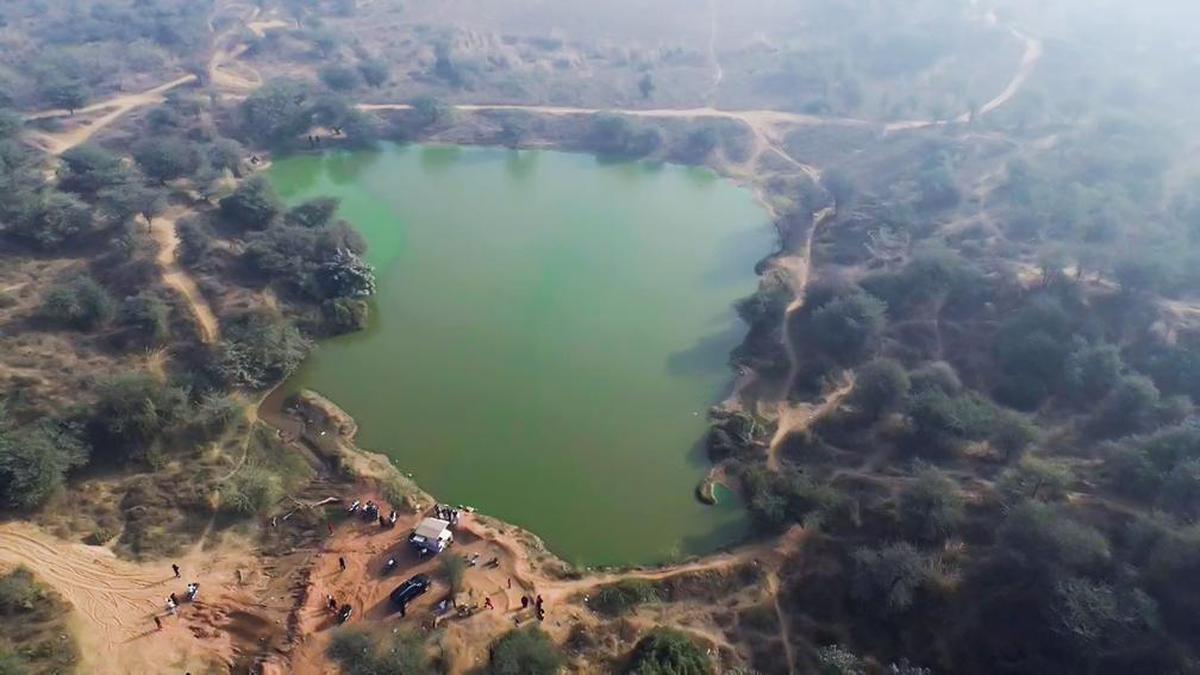
The Supreme Court’s intention is for the expert committee not only to define the Aravalli hills but also to develop a comprehensive road map for permissible activities within the region. This includes addressing the critical issue of regulated mining in one of the world’s oldest and most ecologically sensitive mountain systems. The court specified that the committee should comprise experts from diverse backgrounds, including environmentalists, scientists, foresters, and specialists in regulated mining where legally permissible. Chief Justice Kant underscored that these experts would operate “under the umbrella” of the Supreme Court, directly supervised and controlled by the apex court.
This renewed judicial intervention follows public outrage triggered by a November 2025 Supreme Court judgment that upheld a government committee’s definition of the Aravalli hills. The contested definition restricted environmental protection to hill elevations of 100 metres or above and hill clusters, slopes, and hillocks situated within 500 metres of each other. This restrictive interpretation raised serious concerns about ecological safety across the Aravalli range.
The Supreme Court later stayed its own judgment after realizing that only 1,048 out of 12,081 identified hills in Rajasthan alone would qualify under the 100-metre elevation threshold. This exclusion risked stripping the lower ranges of essential environmental protections, leaving them vulnerable to unregulated mining activities. In its order dated December 29, the court acknowledged this as a “significant regulatory lacuna” in safeguarding the Aravalli hills. The stay was imposed to prevent any irreversible administrative or ecological actions based on the current framework until the proceedings reach a final resolution.
Additionally, the Supreme Court barred the issuance of fresh or renewed mining leases in the Aravalli region without prior approval from the apex court. The ongoing suo motu proceedings reflect the court’s commitment to ensuring that ecological conservation remains paramount in the management of the Aravalli hills.
The expert panel’s mandate has now been expanded to include broader stakeholder engagement, ensuring that voices from local communities, environmental groups, and scientific institutions are integral to the decision-making process. This approach aims to balance developmental needs with environmental preservation, particularly in a region rich in biodiversity and geological significance.
As the committee begins its work, the Supreme Court has set clear expectations for transparency, functionality, and judicial oversight, signaling a cautious yet proactive stance toward protecting one of India’s most critical natural landscapes.