
Bakrid vs Eid Al-Fitr: Key Differences, Rituals, and Significance Explained
मुख्य बातें
- •Eid Al-Fitr marks the end of Ramadan fasting, celebrated with gratitude and charity, while Bakrid commemorates Prophet Ibrahim's faith through animal sacrifice.
- •Bakrid’s Qurbani involves dividing meat into three parts for family, relatives, and the poor, emphasizing social welfare.
- •The festivals begin based on moon sighting, with regional variations in India depending on local religious authorities.
- •Bakrid lasts three days and includes communal prayers and feasts, unlike the single-day Eid Al-Fitr.
- •Both festivals reinforce Islamic values of faith, generosity, and community solidarity.
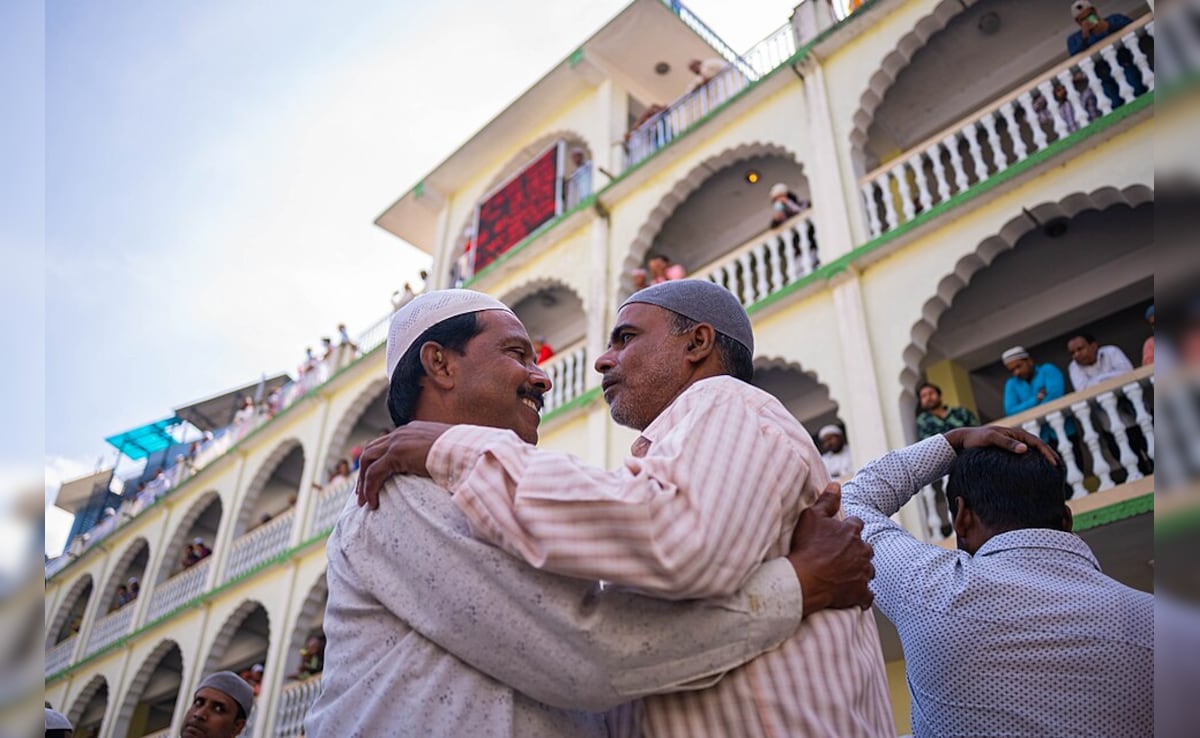
Millions of Muslims across India and the world are preparing to celebrate two major festivals this year: Eid Al-Fitr and Bakrid (Eid al-Adha). While both are joyous occasions marked by prayers and family gatherings, they hold distinct religious meanings and traditions.
Eid Al-Fitr, celebrated at the end of Ramadan—the Islamic holy month of fasting—begins with the sighting of the new moon. It is a time of gratitude, charity, and feasting after a month of spiritual reflection. In contrast, Bakrid, observed about two months later, commemorates the willingness of Prophet Ibrahim (Abraham) to sacrifice his son in obedience to God, as recounted in the Quran. God ultimately provided a lamb as a substitute, and this act of faith is remembered through the ritual sacrifice of an animal—commonly a goat, sheep, or cow—known as Qurbani or Udhiya.