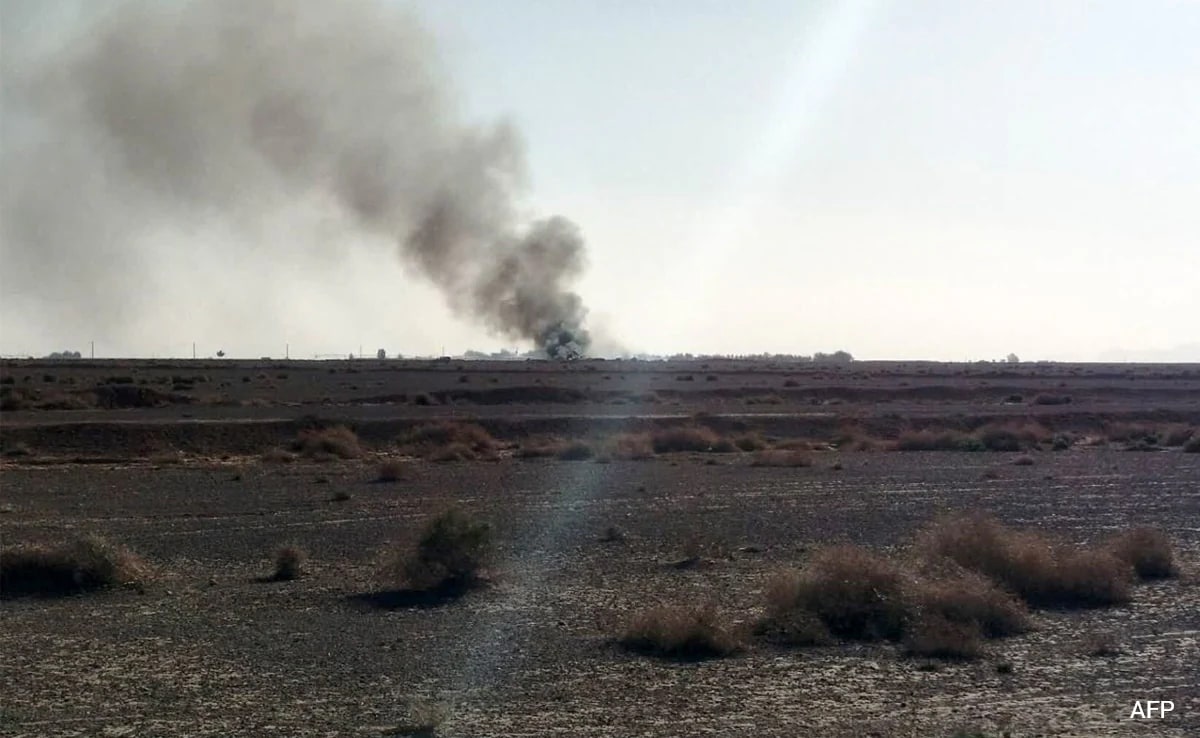
A potential breakthrough in the West Asia conflict is unfolding as the United States and Iran signal progress toward a formal agreement to end the ongoing war, even as deadly strikes continue on the ground. U.S. President Donald Trump and Secretary of State Marco Rubio have both indicated that an announcement could come within hours, with mediators pushing for a negotiated settlement that includes key regional stakeholders. The ceasefire, which has been in effect since April 8, faces localized violations, including intense Israeli airstrikes in southern and eastern Lebanon on Sunday — the same day that Lebanon’s health ministry reported the overall death toll in the war since March 2 had reached 3,123, including two civilians killed in Sunday raids.
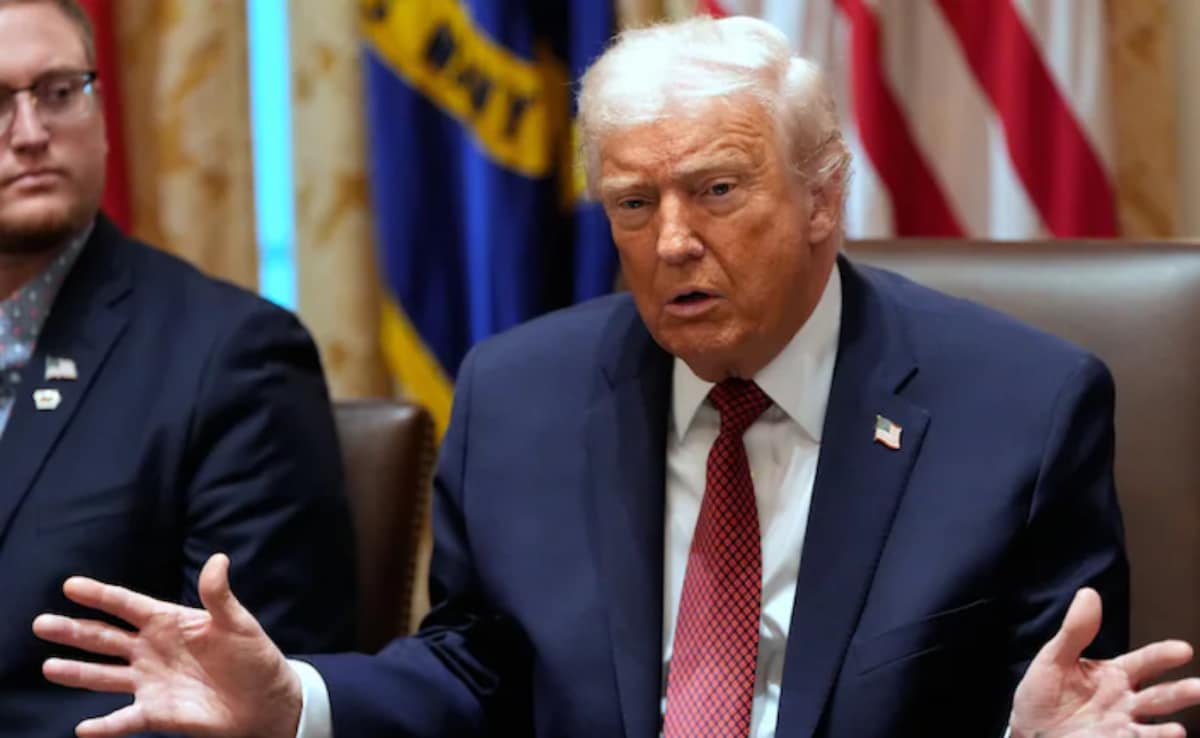
Speaking to reporters in New Delhi on Sunday (May 24, 2026), Secretary Rubio expressed cautious optimism, stating, “I do think perhaps there is the possibility that in the next few hours the world will get some good news.” He added that an announcement regarding a deal with Iran to formally end the war could be made later that day. Trump, writing on Truth Social, emphasized that negotiations were proceeding “in an orderly and constructive manner,” but cautioned against rushing into a deal. “I have informed my representatives not to rush into a deal — time is on our side,” he wrote. The U.S. President also asserted that a proposal to reopen the blockaded Strait of Hormuz had been “largely negotiated,” marking a significant step toward easing tensions in the Gulf.
The proposed agreement reportedly includes a 60-day extension of the ceasefire, the reopening of the Strait of Hormuz — a critical maritime chokepoint — and a framework for future negotiations on Iran’s nuclear program. Trump contrasted the ongoing talks with the 2015 nuclear deal negotiated under former President Barack Obama, which he has repeatedly criticized. In a Truth Social post, Trump stated, “If I make a deal with Iran, it will be a good and proper one… It won’t be like the one made by Obama, which gave Iran massive amounts of CASH, and a clear and open path to a Nuclear Weapon.” He described the current proposal as the “exact opposite” of the previous agreement and dismissed critics who commented on a deal “nobody has seen” or that is “not even fully negotiated yet.” Trump added, “Unlike those before me who should have solved this problem many years ago, I don’t make bad deals!”
The diplomatic push has involved high-level consultations with regional leaders. On Saturday (May 23, 2026), Trump held a call with the leaders of Saudi Arabia, the United Arab Emirates, Qatar, Egypt, Jordan, and Bahrain, as well as representatives from Turkiye and Pakistan, to discuss the proposed agreement. These consultations underscore the broad international interest in stabilizing the region and preventing further escalation.
However, the fragile nature of the ceasefire was highlighted by continued violence in Lebanon. Israeli airstrikes on Sunday targeted areas in southern and eastern Lebanon despite the truce, leading to civilian casualties and prompting condemnation from U.S. officials. Secretary Rubio accused Hezbollah of attempting to “plunge Lebanon back into chaos,” stating, “Hezbollah’s reckless call to overthrow Lebanon’s democratically elected government” was destabilizing the country. Naim Qassem, Hezbollah’s deputy leader, had earlier asserted that “the people have the right to go down onto the streets and to bring down the government” in response to Israeli strikes and U.S. sanctions targeting the Al-Qard Al-Hassan financial institution, which is affiliated with the group.
The U.S. has also maintained pressure on Iran through economic measures, including a blockade of Iranian ports, while Iran has imposed controls on Gulf shipping, further complicating maritime security in the region. The proposed reopening of the Strait of Hormuz would represent a major confidence-building measure and could pave the way for broader de-escalation efforts.
As diplomatic efforts intensify, the international community remains cautiously optimistic about the prospects for peace, even as the humanitarian toll of the conflict continues to rise. With the possibility of a formal agreement on the horizon, the coming hours and days will be critical in determining whether the war in West Asia can finally be brought to an end.