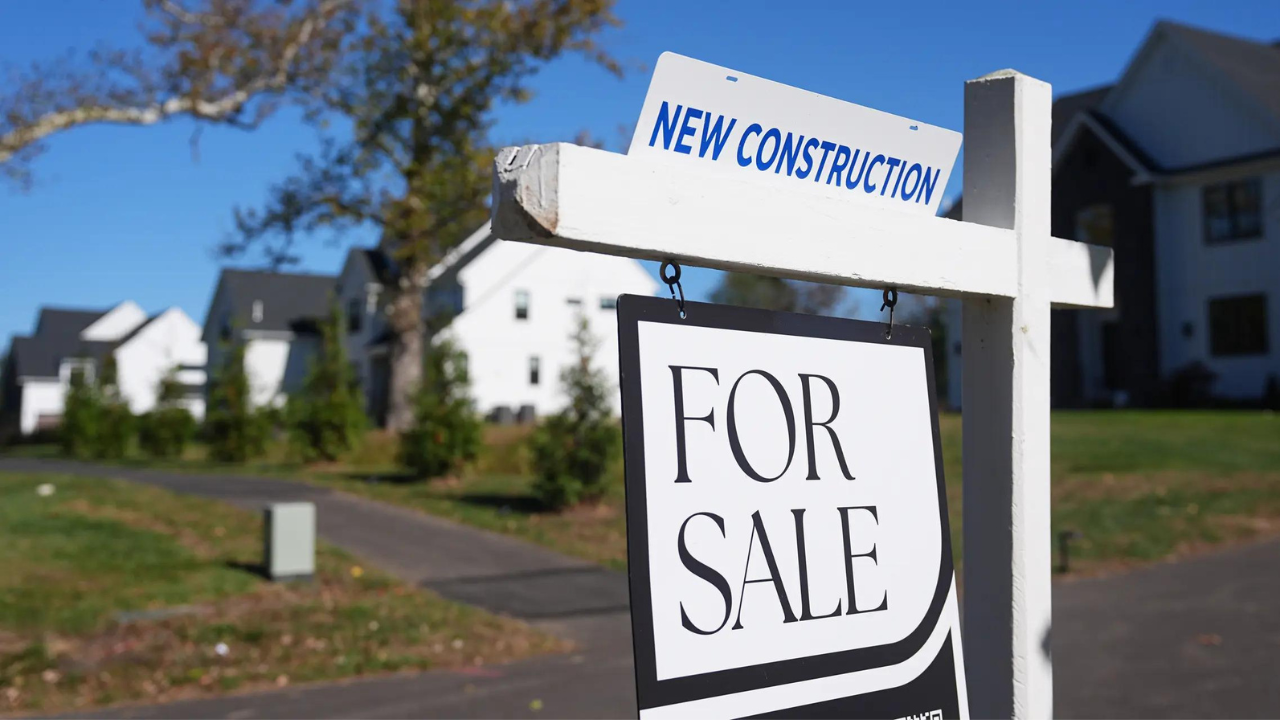
The United States housing market is facing renewed pressure as mortgage rates climb to their highest level in nine months, further eroding affordability for prospective homebuyers. According to data released by Freddie Mac on Thursday, the average rate on a 30-year fixed mortgage increased to 6.53 percent this week, up from 6.51 percent the previous week. This figure also marks a rise from the 6.89 percent average recorded a year ago. The upward trend in borrowing costs comes as global oil prices remain elevated due to ongoing geopolitical tensions, particularly the conflict involving Iran, which has disrupted oil flows through the Persian Gulf and pushed crude prices higher. These developments have contributed to rising bond yields, which in turn influence mortgage rates.
The increase in mortgage rates is not limited to 30-year loans. The average rate on a 15-year fixed mortgage, commonly used for refinancing, also rose slightly to 5.87 percent from 5.85 percent the previous week. The impact of these higher rates is becoming increasingly evident in the housing market’s spring homebuying season. Sales of previously occupied homes remained mostly flat last month after a year-on-year decline in the first quarter of 2024. This follows a broader slowdown that began in 2022, as borrowing costs escalated sharply over the past two years. New home sales have also weakened, with data from the US Census Bureau showing a 6.2 percent drop in April. The seasonally adjusted annual rate of new home sales fell to 622,000 units, signaling a softening in demand.
Mortgage application data further underscores the cooling sentiment among buyers. The Mortgage Bankers Association reported an 8.5 percent decline in total mortgage applications last week, driven largely by a fall in refinancing activity. However, applications for loans to purchase homes continued to outpace levels from the same period last year, indicating some resilience in buyer interest despite higher costs. Economists point out that while buyers now have more options in the market and home prices are softening, the benefits of lower prices are being offset by elevated borrowing costs.
Jake Krimmel, senior economist at Realtor.com, explained the current dynamic: “Buyers have more homes to choose from and asking prices continue to soften, but their dollars don’t stretch as far as they did a few months back.” He emphasized that a resolution to the ongoing US-Iran conflict could significantly ease pressure on mortgage rates, benefiting consumers and revitalizing momentum in the housing market. The conflict’s impact on global oil supplies has been a key driver of recent inflation concerns and higher borrowing costs across the US economy.
The housing slowdown reflects broader economic challenges, including persistent inflation and higher oil prices, which have driven up borrowing costs beyond just mortgages. As the Federal Reserve maintains a cautious stance on interest rate policy, the real estate sector continues to grapple with affordability constraints. The combination of fewer sales, higher rates, and fluctuating market conditions has created a challenging environment for both buyers and sellers.
Industry analysts suggest that while the market is showing signs of cooling, the availability of more inventory could eventually help stabilize prices. However, until mortgage rates ease or incomes rise significantly, affordability is likely to remain a major hurdle for many potential homeowners. The situation underscores the delicate balance between economic policies, geopolitical stability, and the health of the housing sector.