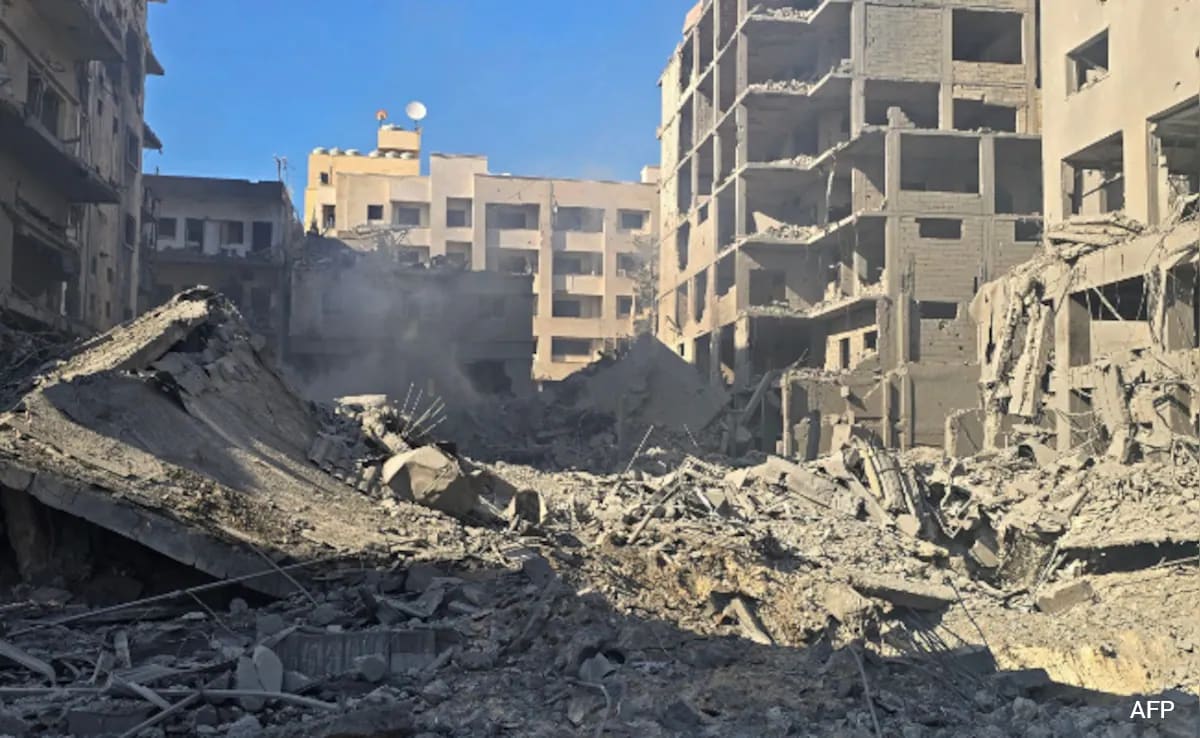
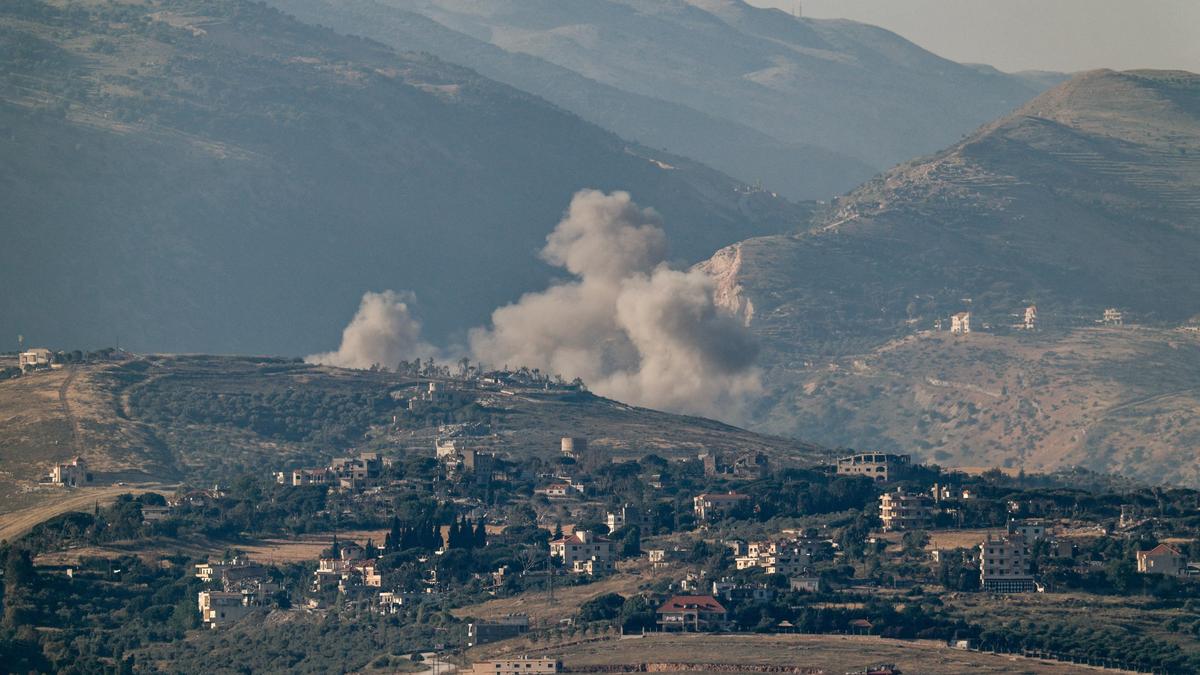
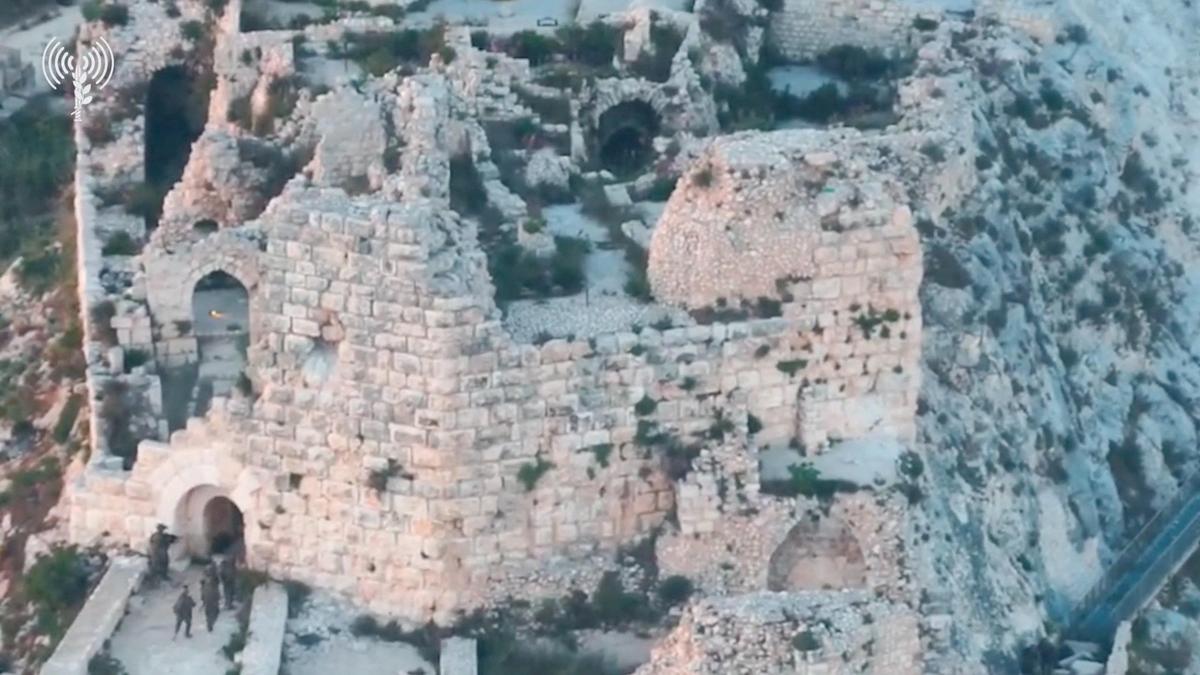
Israeli forces have seized the historic Beaufort Castle in southern Lebanon, marking their deepest ground incursion into the country in over 25 years. The strategic mountain-top fortress, near the city of Nabatiyeh, was captured after days of intense fighting and airstrikes targeting Hezbollah positions. The operation represents a significant escalation in the ongoing Israel-Hezbollah war, which began on March 2, 2026, following Hezbollah’s rocket attacks into northern Israel in retaliation for U.S.-Israel strikes on Iran.
The Israeli military confirmed the capture of Beaufort Castle, a Crusader-era fortress with deep historical significance, on May 31, 2026. Defense Minister Israel Katz announced that Israeli troops had raised the national flag over the castle, a move he described as a return to a key position held during Israel’s previous occupation of southern Lebanon from 1982 to 2000. Katz stated that Israel intends to maintain control of the castle while continuing its operations to demolish thousands of homes and military infrastructure in southern Lebanon that it alleges were used by Hezbollah.
The capture of Beaufort Castle comes despite a nominal ceasefire that has been in place since April 17, 2026. The ceasefire has repeatedly faltered, with both sides continuing to exchange fire across the border. Lebanese Parliament Speaker Nabih Berri, a key Hezbollah ally, reaffirmed the group’s commitment to a ceasefire but questioned Israel’s adherence to the agreement. “But who will force Israel to stop its aggression?” Berri stated in a televised address. French Foreign Minister Jean-Noël Barrot condemned Israel’s military operations as “unacceptable,” calling for an emergency United Nations Security Council meeting to address the deepening occupation of Lebanese territory. The meeting was expected to take place on June 1, 2026.
Beaufort Castle, known in Arabic as Al-Shaqif, has been a pivotal military asset for centuries. Built by Crusaders in the 12th century atop earlier fortifications, it has been controlled by various powers, including Saladin’s forces, the Mamluks, Ottomans, the French mandate, and the Palestine Liberation Organization (PLO). Israel first captured the castle in 1982 under Defense Minister Ariel Sharon, during a broader offensive that pushed all the way to Beirut. After Israel’s withdrawal from Lebanon in 2000, the castle was partially restored and opened to visitors. During the 2024 Israel-Hezbollah war, UNESCO designated Beaufort Castle and 33 other Lebanese cultural sites as protected under enhanced safeguards to prevent damage.
Israel’s military expansion has extended beyond Beaufort Castle, with Israeli troops crossing the Litani River—a line previously considered a de-facto boundary. Prime Minister Benjamin Netanyahu described the capture of the castle as a “dramatic shift” in Israel’s strategy, linking it to broader security concerns along its borders with Syria, Lebanon, and Gaza. Netanyahu claimed that Israel has killed 3,000 Hezbollah militants since the war began. Meanwhile, Hezbollah has launched thousands of missiles and drones at Israeli positions in southern Lebanon and northern Israel, intensifying the conflict.
The escalation in Lebanon has raised global concerns, particularly over oil markets. Crude oil prices surged over 2% on May 31, 2026, as investors reacted to the deepening conflict. U.S. crude futures rose to $89.53 per barrel, while Brent crude climbed to $93.05 per barrel. The renewed fighting has cast doubt on the prospects of a U.S.-Iran ceasefire extension, which had previously driven modest gains in oil prices. U.S. President Donald Trump indicated that a decision on extending the ceasefire with Iran would be made “soon,” though the inclusion of Hezbollah in any deal remains a sticking point.
Geopolitical analysts also warned of growing risks to oil and gas shipping routes, particularly the Strait of Hormuz, a critical chokepoint for global energy supplies. Concerns have mounted over the potential for Iran to disrupt shipping lanes, following reports of additional naval mines laid in the strait. U.S. Defense Secretary Pete Hegseth had previously warned that such actions would violate the ceasefire. The Strait of Hormuz handles about one-fifth of global oil and gas flows, and its closure by Iran since the start of the conflict has already strained energy markets. Even if a ceasefire is reached, analysts caution that relief for the oil market may be gradual, given ongoing geopolitical uncertainties.