Japan’s Akiya Crisis: Nearly 9 Million Homes Stand Empty Amid Demographic Decline
मुख्य बातें
- •Japan has nearly 9 million vacant homes, or *akiya*, with a record 13.8% vacancy rate in 2023.
- •Aging populations, urban migration, and inheritance disputes contribute to homes being left abandoned.
- •Tax policies discourage demolition by offering lower rates for land with buildings, while demolition costs remain high.
- •Over time, abandoned homes deteriorate, posing safety risks and financial burdens on local communities.
Japan is confronting one of its most pressing demographic and economic challenges: an unprecedented surge in vacant homes, known locally as *akiya*. According to the latest 2023 housing survey, nearly 13.8% of all residential properties in the country—amounting to approximately 8.99 million homes—now stand empty. This figure represents the highest vacancy rate ever recorded in Japan and reflects deeper societal shifts tied to population decline, aging communities, and urban migration.
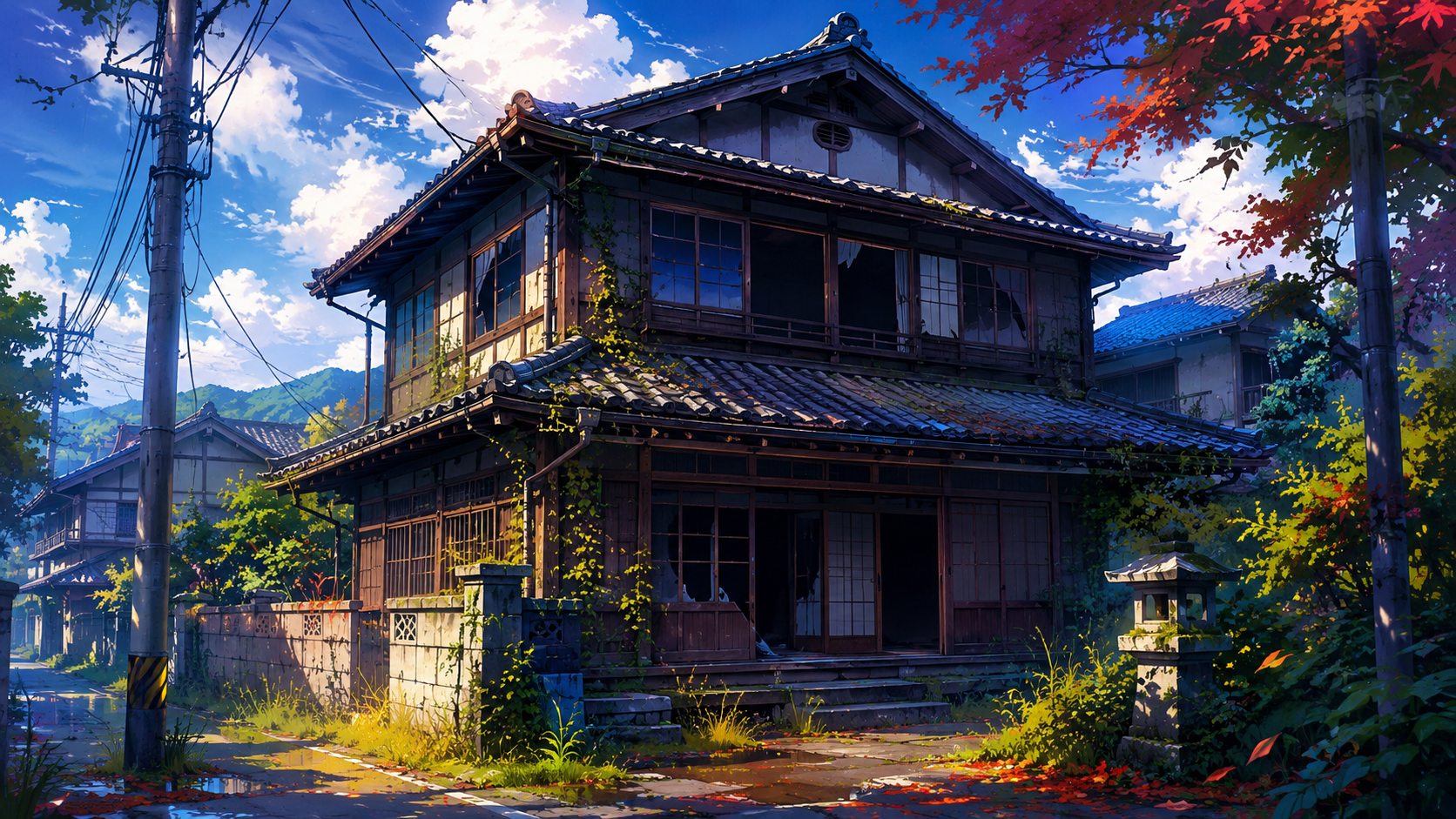
The phenomenon is not limited to unfinished construction or abandoned projects but includes fully built houses and apartments where no one lives anymore. In some cases, curtains still hang in the windows, gardens have been overtaken by wild vegetation, and roofs are slowly caving in. Entire neighborhoods are becoming quieter each year as homes fall into disuse. Behind this crisis lie multiple interconnected factors: Japan’s shrinking population, the concentration of younger generations in major cities like Tokyo and Osaka, and the increasing difficulty in managing inherited properties across generations.