Delhi’s Summer Air Pollution: Why Dust Storms, Ozone and PM10 Spikes Rise as GRAP Curbs Lift
मुख्य बातें
- •The Commission for Air Quality Management in NCR and Adjoining Areas lifted all GRAP restrictions in March 2026, ending Delhi’s winter pollution control phase.
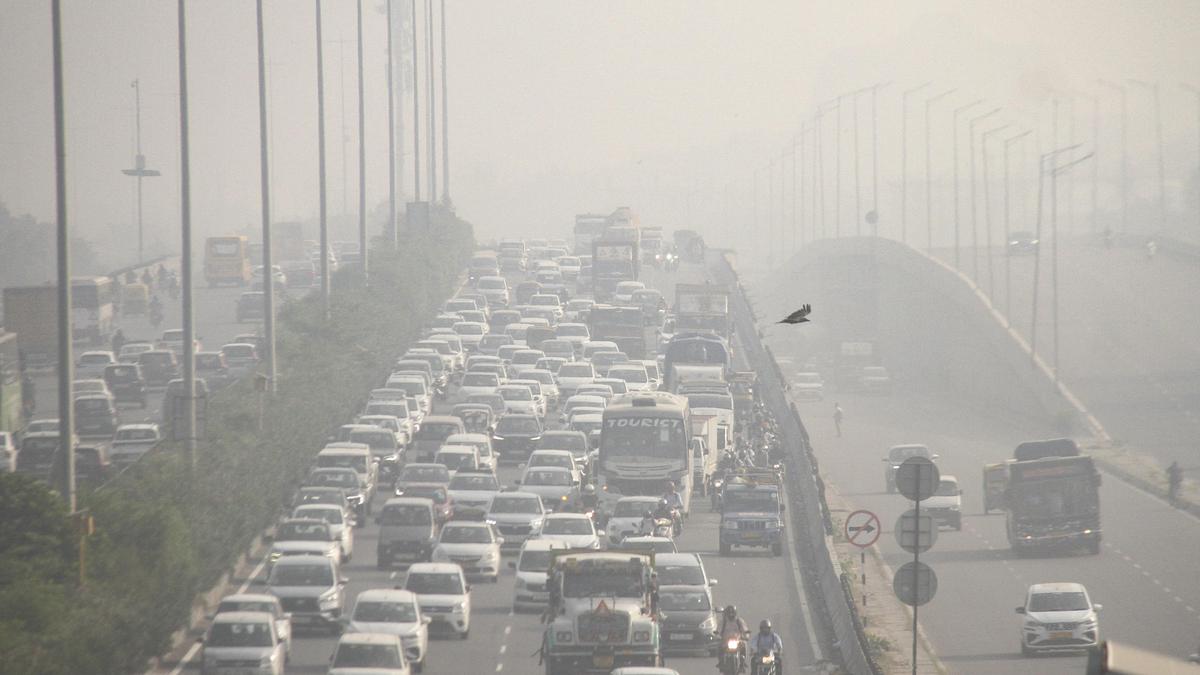
- •Summer pollution in Delhi is driven by dust storms from Rajasthan, which elevate PM10 levels, and by photochemical reactions that increase ground-level ozone due to heat and sunlight.
- •Human activities such as construction, road dust, diesel generators and waste burning worsen summer air pollution alongside natural dust influx.
- •Cities are adopting measures like mechanical sweeping, water sprinkling, stricter construction norms and public transport promotion to address summer air-quality challenges.
The lifting of all winter curbs under the Graded Response Action Plan (GRAP) in March 2026 marked the official end of Delhi’s smog season, but it also signalled the beginning of a new set of air-quality challenges driven by seasonal heat, sunlight and dust. The Commission for Air Quality Management (CAQM) in the National Capital Region and Adjoining Areas confirmed the withdrawal, underscoring how Delhi’s pollution profile shifts dramatically from winter to summer.