America ka military ab AI (Artificial Intelligence) ka istemal zyada se zyada kar raha hai, lekin iske saath hi top defense leaders, tech companies aur military personnel ke beech mein safety, ethics aur control ko lekar bahut zyada debate chal rahi hai. Admiral Frank Bradley, jo U.S. Special Operations Command (SOCOM) ke Commander hain, unhone AI ko combat mein deploy karne ke tareeke par caution ki zarurat batayi hai, especially lethal targeting ke case mein. Tampa, Florida mein ek special forces conference mein Bradley ne kaha ki AI target identify aur select karne mein helpful ho sakti hai, lekin yeh zaroori hai ki “hum, insaanon ke taur par, is par vishwas kar saken ki … yeh violence sirf wahi deliver karegi jahaan hum chahte hain.” Unke yeh comments military ke andar AI systems ki ethical aur legal boundaries ke andar operate karne ki zarurat ko lekar growing unease ko reflect karte hain.
Bradley ka cautious approach Defense Secretary Pete Hegseth ke aggressive push se bilkul opposite hai. Hegseth AI ko military systems mein jaldi se integrate karne ki taraf zyada support kar rahe hain. January mein unhone SpaceX ke employees ko kaha tha ki woh kisi bhi AI model ko reject kar denge jo “aapko wars ladaane ki permission nahi deti,” aur iske saath hi unka emphasis tha systems par jo “ideological constraints ke bina” kaam karen jo lawful military applications ko limit karte hain. Is push ke karan tech companies ke saath public disagreements hue hain, jo AI ke unchecked military use ko lekar concerned hain. Trump administration ki broader strategy mein AI ko China jaise rivals ke against ek critical advantage maana ja raha hai, lekin overreach aur unintended consequences ke concerns ne internal scrutiny ko badhaya hai.
Ek Pentagon official, jo anonymity ki condition par baat kar rahe the, unhone clarify kiya ki current AI initiatives primarily focused hain “functional battlefield tools” develop karne par jo troops ko targets identify aur engage karne mein help kare. Goal hai decision-making aur strike cycles ko speed up karna, na ki human judgment ko replace karna. Sgt. Maj. Andrew Krogman, jo SOCOM ke senior enlisted leader hain, unhone bhi yehi sentiment zara sa alag shabdon mein kaha, ki AI administrative tasks handle kar sakti hai, command operations ko modernize kar sakti hai, aur soldiers par cognitive burden ko reduce kar sakti hai. Melissa Johnson, SOCOM ki top acquisition official, ne add kiya ki AI ka purpose hai “operator judgment ko enhance karna” na ki replace karna, aur iske role ko “mundane tasks” ko streamline karne mein highlight kiya.
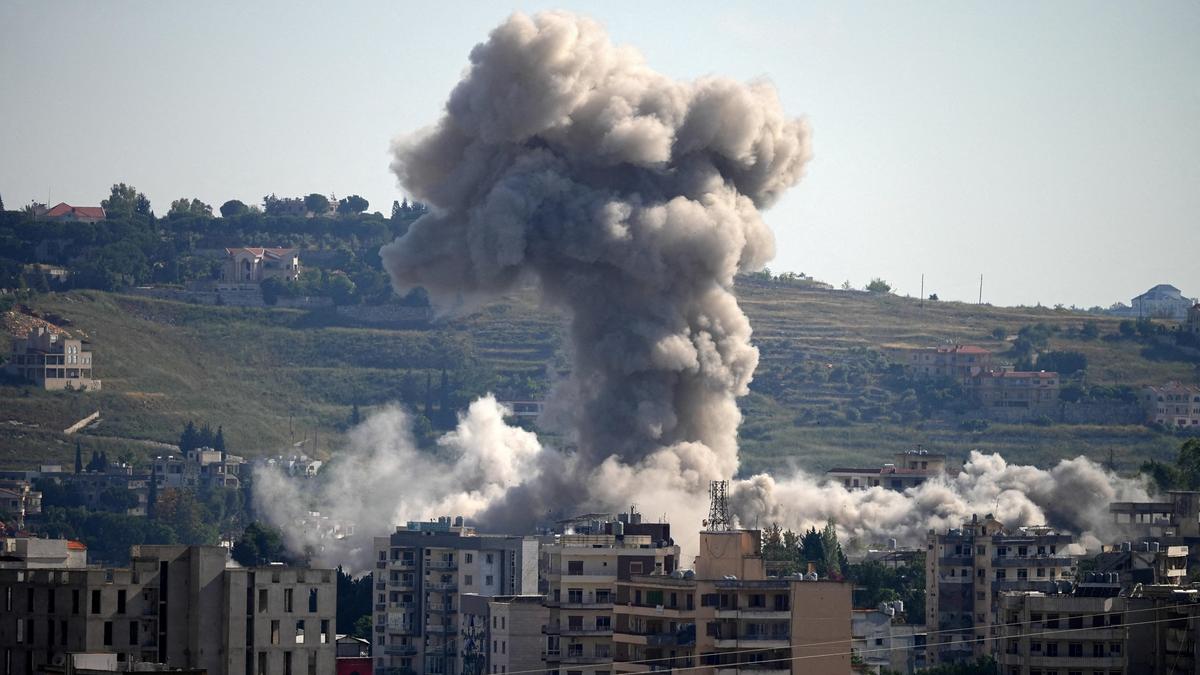
In assurances ke bawajood, military mein AI ka combat use pehle se hi evident hai. Lt. Gen. Michael Conley, jo Air Force Special Operations Command ke head hain, unhone May mein reveal kiya ki AI “bots” Iran conflict ke dauran use kiye gaye the taaki top-secret intelligence ko quickly downgrade kiya ja sake aur drone operators ko seconds ke andar critical information mil sake. Georgetown University ke Center for Security and Emerging Technology ki interim executive director Helen Toner ne note kiya ki AI Army ke 18th Airborne Corps dwara artillery strikes conduct karne mein bhi use hui hai, jo elite units ke saath same efficiency se kam kar sakti hai lekin 2,000 kam personnel ke saath. “Human operators hi crucial decisions lete hain, lekin AI … isse new level ki speed aur scale par operate karna possible ho raha hai,” unhone explain kiya.
Lekin military operations mein AI ka integration controversy se bina nahi hai. Pentagon aur Anthropic, jo San Francisco ki AI company hai, ke beech mein ek high-profile dispute chala, jo classified military networks mein unke technology ke unchecked use ko lekar concerns thi. CEO Dario Amodei ne safeguards ko compromise karne se inkaar kiya, especially fully autonomous armed drones aur AI-assisted mass surveillance ke case mein. Iske jawab mein, President Donald Trump aur Secretary Hegseth ne Anthropic par national security ko khatre mein dalne ka accusation lagaya. Pentagon ne baad mein Anthropic ko supply chain risk ka label diya, uske $200 million defense contract ko terminate kar diya, aur government contractors ko company ke saath kaam karne se ban kar diya. Anthropic ne baad mein lawsuit file kiya, jisme unhone kaha ki yeh designation illegal retaliatory move tha jo company ko unjustly stigmatize karne ke liye tha.
Pentagon ne ab Google, OpenAI aur SpaceX jaise rivals ki taraf focus badhaya hai taaki AI technologies secure ki ja sake jo “warfighter decision-making ko complex operational environments mein augment kar sake.” Toner, jo former OpenAI board member hain, ne caution kiya ki public military ke new technologies adopt karne mein kitne cautious hote hain, usko underestimate kar rahi hai. “Commanders chahte hain ki unke missions successful ho,” unhone kaha, “jiska matlab hai ki lethal effects ko scale par create kar saken, aur unintended effects jaise friendly fire, civilian casualties, ya target identification mein galtiyan avoid kar saken.”
Jab US military apne AI capabilities ko expand kar raha hai, ethical oversight, human control aur warfare mein automation ki limits ko lekar debate unresolved hai. AI operational speed aur efficiency badhaane ka promise de rahi hai, lekin lethal decisions mein unintended consequences aur human judgment ke loss ke risks ne stricter guardrails aur clearer ethical frameworks ki demand ko badhaya hai.