•Bangalore-based Transforming Travels offers “unplugged vacations” in remote natural locations to help people disconnect from smartphones and social media
•Nearly 90% of its clients choose remote destinations voluntarily after understanding the detox rationale
•Refurbished iPod sales have risen 16% annually over two years, with searches for iPod and iPod Nano surging in 2025
•Lego reports increased adult demand for complex sets, especially high-piece F1-themed builds, as screen-free engagement tools
•Economic Survey 2025–26 recommends age-based social media limits for children and tighter advertising rules
•Andhra Pradesh and Goa are considering similar child-focused restrictions, following Australia’s 2024 minimum-age social media law
•A 2025 Tamil Nadu study links rising social media addiction to academic decline, mental health issues, and relationship damage among college students
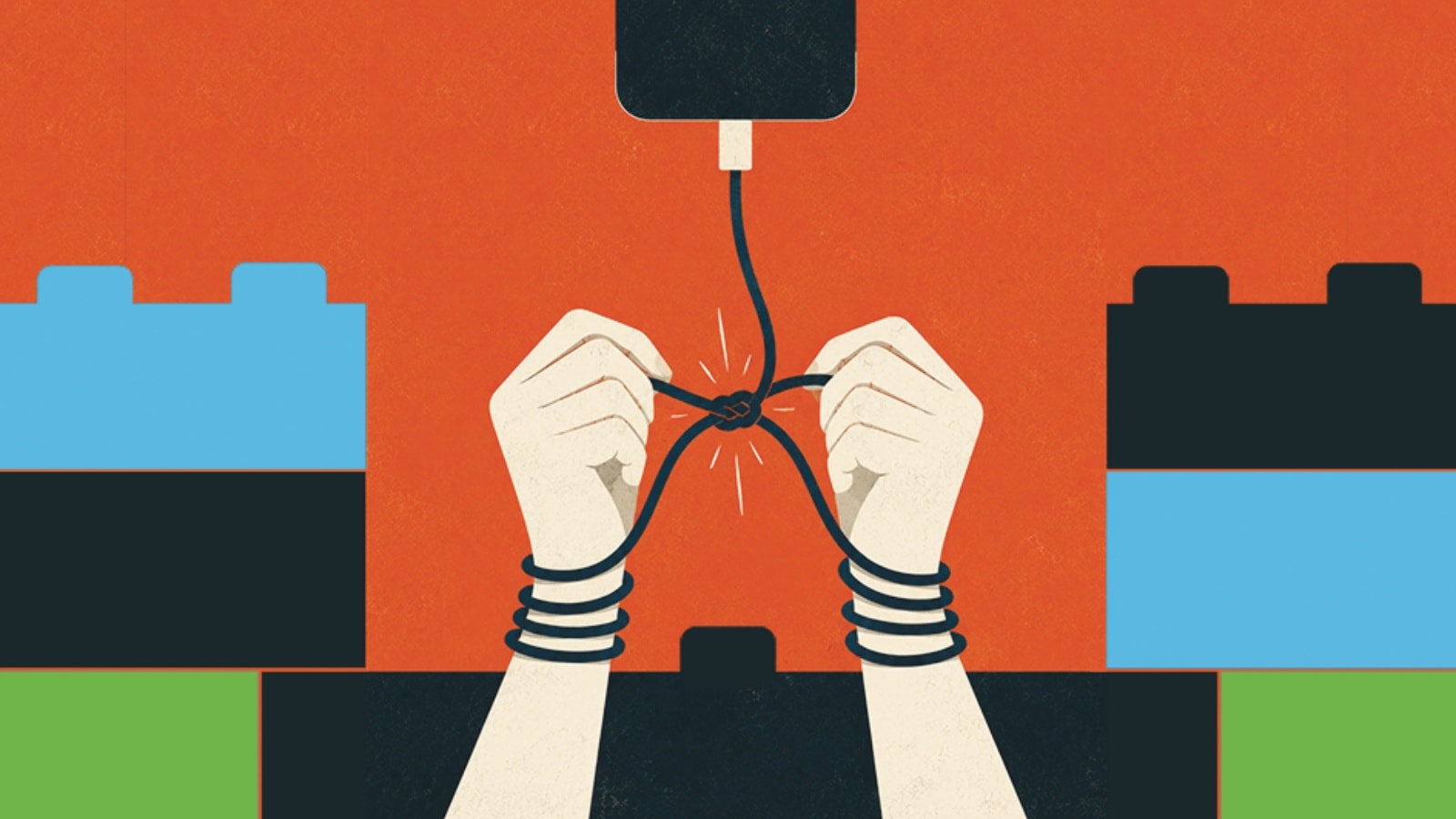
A quiet but rapidly growing movement is reshaping how Indians interact with technology, with a rising demand for screen-free experiences driving an unexpected economic shift. From curated “unplugged vacations” in remote hill stations and wildlife reserves to the resurgence of the once-obsolete iPod and a surge in complex Lego sets among adults, the digital detox trend is gaining momentum across the country. This shift reflects growing concerns over screen time, social media addiction, and mental health impacts—especially among youth—prompting both consumer behavior changes and regulatory discussions.
At the forefront of this trend is Bangalore-based travel agency Transforming Travels, which offers specialized “unplugged vacation” packages designed to help participants disconnect from smartphones and social media. Founder Chandni Aggarwal explains that these retreats, ranging from weekend getaways to week-long group experiences—including women-only retreats—are strategically located in remote natural settings or areas with limited network reception. “Digital detox retreats work best in natural and remote locations, which is why those are the only kinds of destinations we usually propose,” Aggarwal told The Indian Express. “At times we intentionally choose places with limited network reception.” She emphasizes that even brief checks of emails or messages can disrupt the detox process, as they immediately pull the mind back into stress, work, or social pressures. Surprisingly, nearly 90% of her clients voluntarily opt for remote or natural destinations once they understand the rationale behind the approach.
One of the most striking symbols of this detox movement is the unexpected revival of the Apple iPod. Though Apple discontinued the device in May 2022, integrating its music capabilities into the iPhone, demand for the original single-purpose music player has quietly surged. Analysts attribute this comeback to a desire for devices that do one thing well—without connectivity. According to Google Trends data from the US, searches for both the iPod and iPod Nano spiked notably in 2025. Refurbished iPod sales have risen 16% annually over the past two years, with demand spreading beyond the US, as reported by Back Market. Even tech veteran Tony Fadell, the former Apple engineer who helped create the iPod, has publicly suggested that Apple should reintroduce the device. “I think they need to bring back the iPod,” Fadell said in an April podcast interview with Eric Newcomer.
Adults seeking screen-free engagement are also turning to Lego, particularly its most complex brick sets. A Lego insider revealed that the company is expanding its India presence in response to growing demand—both from parents looking for screen-free play options for children and from adults drawn to intricate builds. The F1-themed Lego sets, which range from small “21-piece mystery bags” to elaborate “1,642-piece advanced builds,” are seeing their strongest growth at the high-complexity end. While Lego has not commented publicly on the trend, industry observers note that adults are increasingly gravitating toward these challenging builds as a form of mindful, offline activity.
This consumer-led shift is not occurring in isolation. It is increasingly intersecting with regulatory concerns. The Economic Survey 2025–26 has called on the Indian government to introduce age-based limits for social media use among children and restrict targeted digital advertising aimed at minors—a move that would directly impact companies like Meta and Google. The Survey points to Australia’s landmark legislation passed last year, which became the first in the world to enforce a minimum age (16) for social media use, requiring platforms like Instagram, YouTube, and Snapchat to block accounts of users below that threshold. While tech firms have pushed back, the law has received strong support from parents and is seen as a potential model for other countries.
In India, at least two states—Andhra Pradesh and Goa—are reportedly considering similar restrictions for children. India’s existing data protection framework already prohibits behavioral tracking and targeted advertising to minors and mandates parental consent for digital services offered to those under 18, though these provisions have yet to come into full effect. Research is adding urgency to the debate. A 2025 study conducted in Tamil Nadu’s Chengalpattu district with college students found rising social media addiction, with measurable negative impacts on academic performance, mental health, and personal relationships. Among participants, 13% reported that social media use had damaged their personal relationships. The study, led by Gokul Gopakumar from Sree Balaji Medical College & Hospital and Bharath Institute of Higher Education and Research, identified significant behavioral patterns and risk factors linked to excessive social media use.
As digital fatigue grows and anxiety over screen time becomes more widespread, a diverse ecosystem is emerging—from wilderness retreats and nostalgic gadgets to intricate toys and stricter regulations. What began as a niche wellness trend now appears to be evolving into a broader cultural and policy shift, reshaping how Indians engage with technology and prioritize mental well-being.