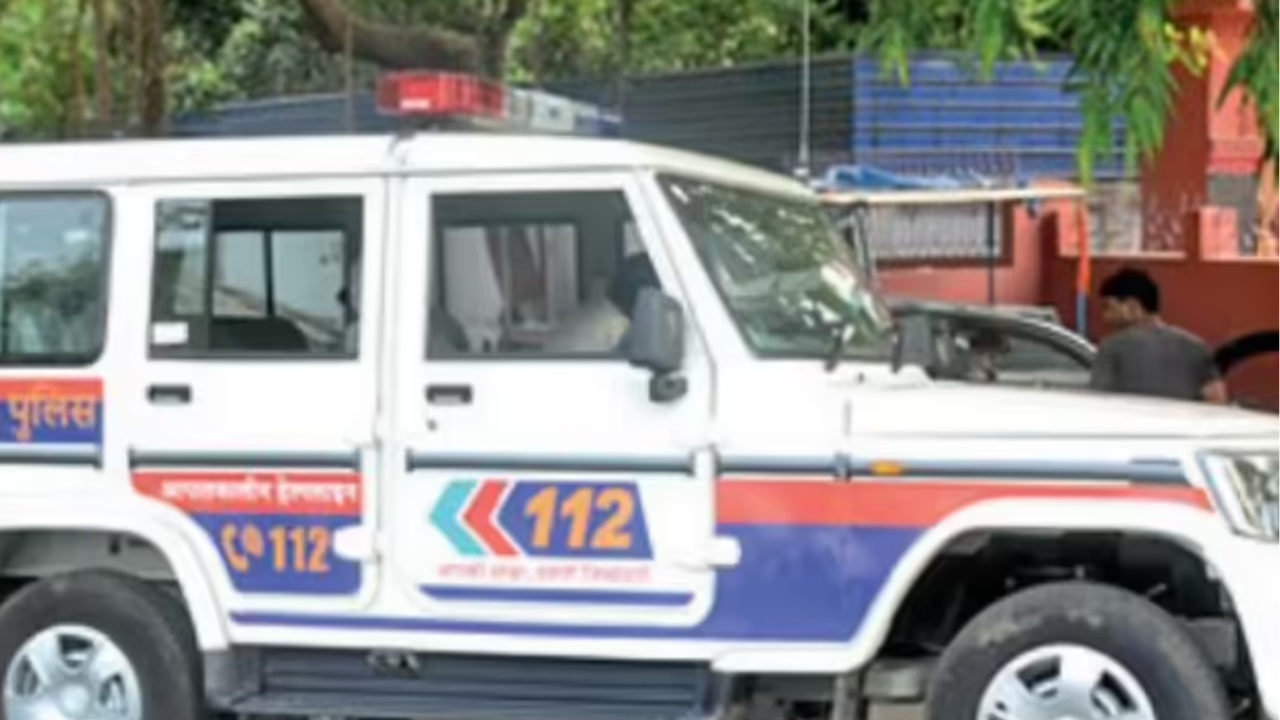
The Supreme Court has issued a significant directive to all states and union territories (UTs) to consolidate multiple emergency helplines into a single, unified number, '112', within a strict three-month deadline. The bench, comprising Justices J K Maheshwari and A S Chandurkar, emphasized that the right to trauma care is an integral component of the fundamental right to life guaranteed under Article 21 of the Indian Constitution. The court underscored the urgent need for systemic intervention, including the establishment of a uniform trauma care framework, public awareness campaigns, standardized first-aid training, and robust implementation of Good Samaritan laws to protect and encourage bystanders who assist accident victims.
In an order issued on [date if mentioned in source, else omit], the apex court mandated that all existing emergency and ambulance helplines—such as 100 (police), 101 (fire), 108 (medical), 102 (maternal health), 1033 (road accident), and 1091 (women’s safety)—must be technically and operationally integrated into the single emergency number '112'. The court further directed state and UT governments to simultaneously launch mass-media publicity campaigns to promote awareness of the new helpline number. Compliance reports must be submitted to the court within the stipulated timeframe.
Additionally, the Union Government, through the Ministry of Health and the Ministry of Road Transport and Highways, has been tasked with formulating a standardized medical rescue protocol specifically for trauma cases within the same three-month period. Once finalized, all states and UTs are required to operationalize this protocol at the local level within another three months. The court’s directives aim to streamline emergency response systems, reduce response times, and ensure timely medical intervention for trauma patients across the country.
The bench highlighted the critical importance of trauma care as part of the constitutional right to life, stating that delays or inefficiencies in emergency medical services can directly impact survival rates and the quality of life for citizens. The order follows growing concerns over fragmented emergency services, inconsistent standards, and inadequate support for Good Samaritans who come forward to help accident victims but often face harassment or legal complications.
To strengthen accountability, the court also directed states and UTs to establish functional grievance redressal mechanisms under the Good Samaritan policies. These systems are intended to address complaints from the public regarding delayed or inadequate emergency responses and to ensure that bystanders are not penalized for offering assistance.
Legal experts have welcomed the Supreme Court’s intervention, noting that a unified emergency number will significantly improve coordination among police, fire, medical, and other emergency services. The move is expected to enhance public safety, particularly in high-traffic areas and during road accidents, where rapid response is crucial. The court’s emphasis on trauma care protocols and public awareness also reflects a broader commitment to strengthening India’s emergency healthcare infrastructure.
While the integration of helplines and implementation of new protocols will require coordinated efforts from multiple government agencies, the Supreme Court’s timeline and clear directives signal a decisive step toward building a more responsive and equitable emergency response system across India.