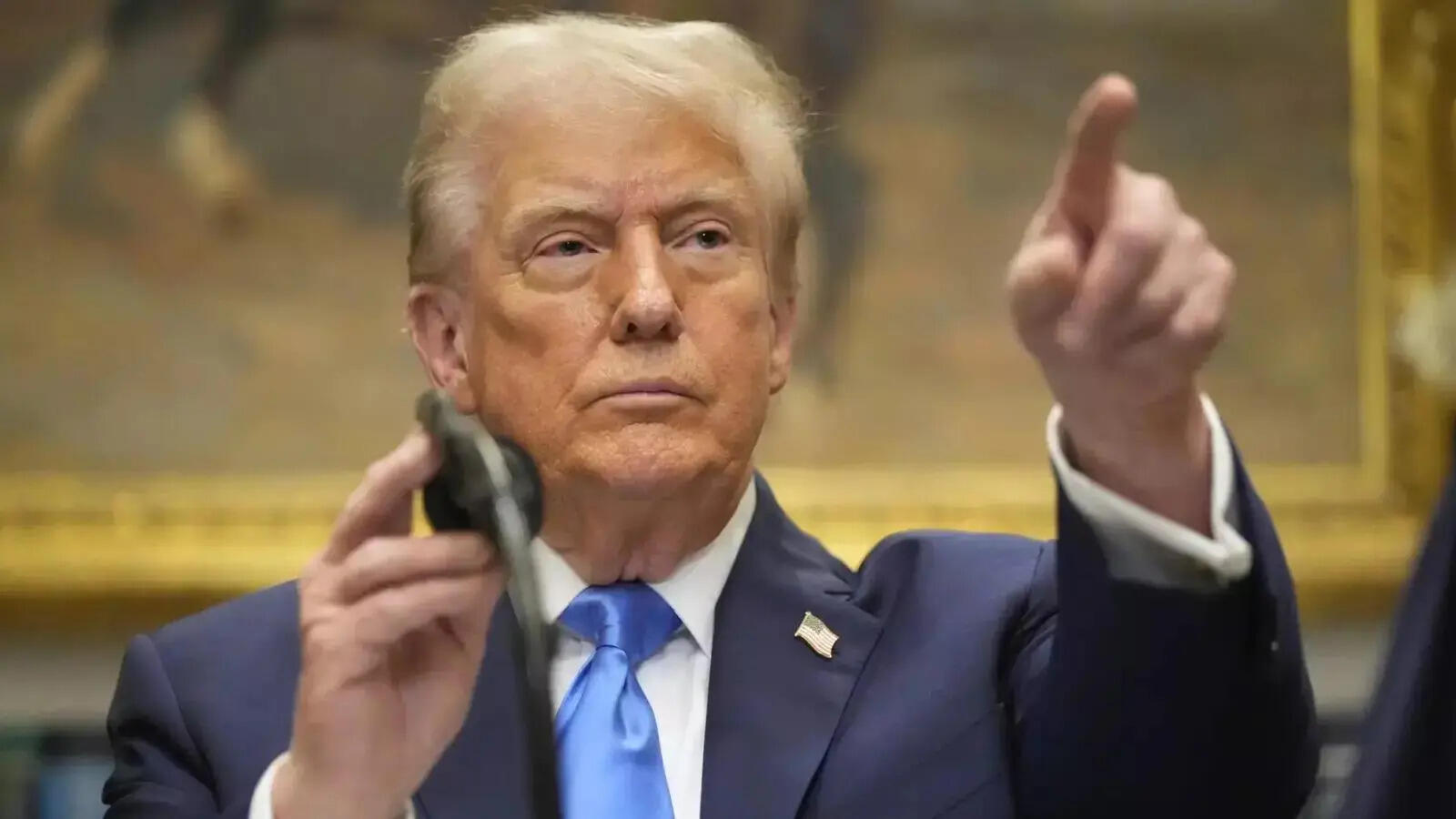
United States President Donald Trump announced on Saturday, May 23, 2026, that a framework agreement with Iran had been “largely negotiated,” though it remained subject to finalization. In a post on Truth Social, Trump listed regional partners including Saudi Arabia, the United Arab Emirates, Qatar, Egypt, Jordan, Bahrain, and mediator Pakistan, stating that a “Memorandum of Understanding pertaining to PEACE” had been reached among the United States, Iran, and several allied nations. He added that the Strait of Hormuz would be reopened as part of the agreement and that final aspects were still being discussed, with an announcement expected shortly.
The announcement followed a day of intensive diplomatic activity, with Trump telling Axios that the odds of securing a “good” deal were “a solid 50/50.” He said one of two outcomes was likely: either a hard military strike against Iran or a diplomatic agreement. Trump is scheduled to meet later on Saturday with key advisers, including special envoy Steve Witkoff, senior adviser Jared Kushner, and Vice President JD Vance, to review Iran’s latest response and decide on the next course of action. A final decision on whether to resume military action is expected on Sunday.
Iranian officials, however, indicated that significant gaps remained. Iranian Foreign Ministry spokesman Esmaeil Baghaei told state television that while there was a “trend towards rapprochement,” it did not guarantee an agreement on critical issues such as Iran’s nuclear program. He said Tehran was finalizing a 14-point framework for a deal and hoped the full details could be worked out within 30 to 60 days after the framework is finalized. Iran’s chief negotiator, Mohammad Bagher Ghalibaf, warned that any resumption of hostilities by the US would result in a “more crushing and bitter” response than at the start of the war, which began after US and Israeli strikes on February 28, 2026.
Regional mediators, including Pakistan, Qatar, Egypt, Türkiye, Saudi Arabia, and the UAE, have been engaged in multiple rounds of talks over the past 24 hours. Pakistani Field Marshal Asim Munir, acting as an intermediary, met senior Iranian officials in Tehran on Saturday and later stated that there had been “encouraging progress toward a final understanding,” though no final agreement had been reached. The proposed memorandum reportedly includes the gradual reopening of the Strait of Hormuz, easing of the US blockade on Iran, and the release of frozen Iranian funds. However, key sticking points remain, particularly regarding Iran’s uranium enrichment and the future of its enriched uranium stockpile.
Trump’s announcement also drew reactions from regional leaders. Israeli Prime Minister Benjamin Netanyahu, who had been in close contact with the White House, was described by Trump as “torn,” with Israeli officials reportedly pushing for additional military strikes. Trump said his conversation with Netanyahu had gone “very well.” Meanwhile, Qatari Emir Sheikh Tamim bin Hamad Al Thani spoke with Trump, as well as with UAE President Sheikh Mohamed bin Zayed and Saudi Crown Prince Mohammed bin Salman, in discussions aimed at calming the situation and promoting political solutions.
On another front, fighting continued in Lebanon despite an April 17 ceasefire. Lebanese state media reported that Israel struck the country’s south on Saturday, with one strike targeting a Lebanese army barracks. The military confirmed the strike but did not provide further details.
As the diplomatic push intensifies, the region remains on edge. A 39-year-old Tehran resident, Shahrzad, captured the sentiment of many Iranians caught between war and uncertainty, saying, “The state of ‘neither war nor peace’ is far filthier than war itself. I’m about to start a new job, and I’m scared war might break out again, that I’ll end up leaving the job like before, running off to another city out of fear.”