•PSG aims to become only the second team since 1992 to retain the Champions League title, with a win in Budapest.
•Luis Enrique could join Guardiola and Zidane as a three-time Champions League-winning manager if PSG triumph.
•PSG’s squad, with an average age under 24, features young stars like Desire Doué (20) and João Neves (21).
•Arsenal seeks their first-ever Champions League title after reaching the final with a perfect group-stage record.
•Mikel Arteta’s team has been praised for their adaptability and intensity, setting up a clash with defending champions PSG.
•PSG’s transformation from a star-studded but inconsistent side to a balanced, team-oriented force under Luis Enrique.
•Real Madrid (2016-2018) is the only team to have successfully defended the Champions League in the modern era.
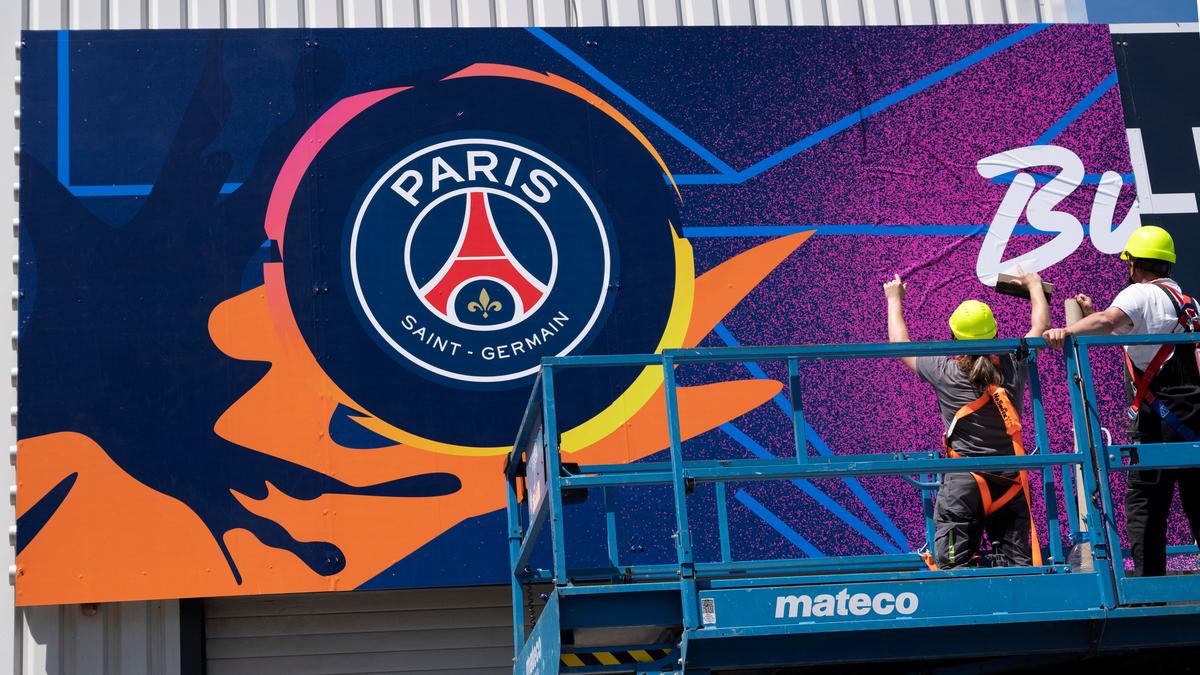
The Champions League final at Budapest’s Puskás Aréna on Saturday is not just a match between Paris Saint-Germain and Arsenal but a showdown that could redefine football’s modern era. For PSG, led by Spanish coach Luis Enrique, victory would cement their place as one of the greatest teams of this generation. Enrique, who has already guided the club to their first-ever Champions League title last year, emphasized his ambition when he said, “I arrived at the club thinking, *My objective is to make history*, and we have indeed made history. We want to keep writing the story because we believe there's still more there for us to achieve.” If PSG triumph, they will become only the second team since the competition’s rebranding in 1992 to successfully defend the trophy, a feat previously achieved only by Real Madrid between 2016 and 2018.
Enrique’s personal legacy is also on the line. A win would make him the third manager in history to lift the Champions League three times, joining Pep Guardiola and Zinedine Zidane. However, his focus remains on the team’s collective achievement rather than individual accolades. Under his leadership, PSG has transformed into a dynamic, high-tempo side that blends attacking brilliance with relentless energy. Their 5-0 demolition of Inter Milan in last year’s final was one of the most dominant performances in Champions League history, showcasing their potential to dominate European football for years to come. The squad’s youthful core, with an average age under 24, includes rising stars like Desire Doué (20) and João Neves (21), who are seen as the future of the club.
PSG’s journey to back-to-back titles has been far from straightforward. The club, bankrolled by Qatari ownership, assembled a star-studded squad in the past, featuring global icons like Lionel Messi, Neymar, and Kylian Mbappé. However, it was only after a strategic shift toward a more balanced, team-oriented approach that PSG reached the pinnacle of European football. The departure of individual superstars—first Messi, then Neymar, and finally Mbappé—paved the way for a new generation of talent, including Doué, Neves, and Khvicha Kvaratskhelia. Ousmane Dembélé, once deemed a disappointment at Barcelona, has flourished in Paris, emerging as a key playmaker in this young but highly talented squad.
For Arsenal, Saturday’s final represents a historic opportunity to claim their first-ever Champions League title. The Premier League champions secured their place in the final by topping their group with a flawless record, a feat that underscores their consistency and resilience. Mikel Arteta’s side has already defied expectations by reaching the final, having been eliminated by PSG in last year’s semifinals. Arteta acknowledged the challenge ahead, stating, *“It's two teams that are exceptional in the way they function, [how] they adapt and the intensity they play with. We're going to have to be our best version to win it.”* Arsenal’s path to the final has been marked by tactical discipline and clutch performances, making them a formidable opponent for the defending champions.
The contrast between the two teams is stark. PSG’s high-risk, high-reward style has made them a spectacle, while Arsenal’s structured, resilient approach has earned them admiration across Europe. The final in Budapest will be a clash of philosophies—one that could either cement PSG’s legacy as the defining team of this era or hand Arsenal an unforgettable triumph.
For PSG, the stakes extend beyond trophies. A victory would silence critics who question whether their success is sustainable and affirm their status among Europe’s elite. For Arsenal, the final is a chance to etch their names into footballing history and prove that their Premier League dominance can translate to European glory. As the two teams prepare to face off, the stage is set for a final that promises drama, intensity, and a moment that could define careers and legacies.