Four weightlifters from India’s national camp have returned adverse analytical findings for prohibited substances, casting a shadow over the country’s preparations for the upcoming Commonwealth Games in Glasgow. According to sources, the athletes tested positive during in-competition or out-of-competition doping controls conducted as part of the national anti-doping program.
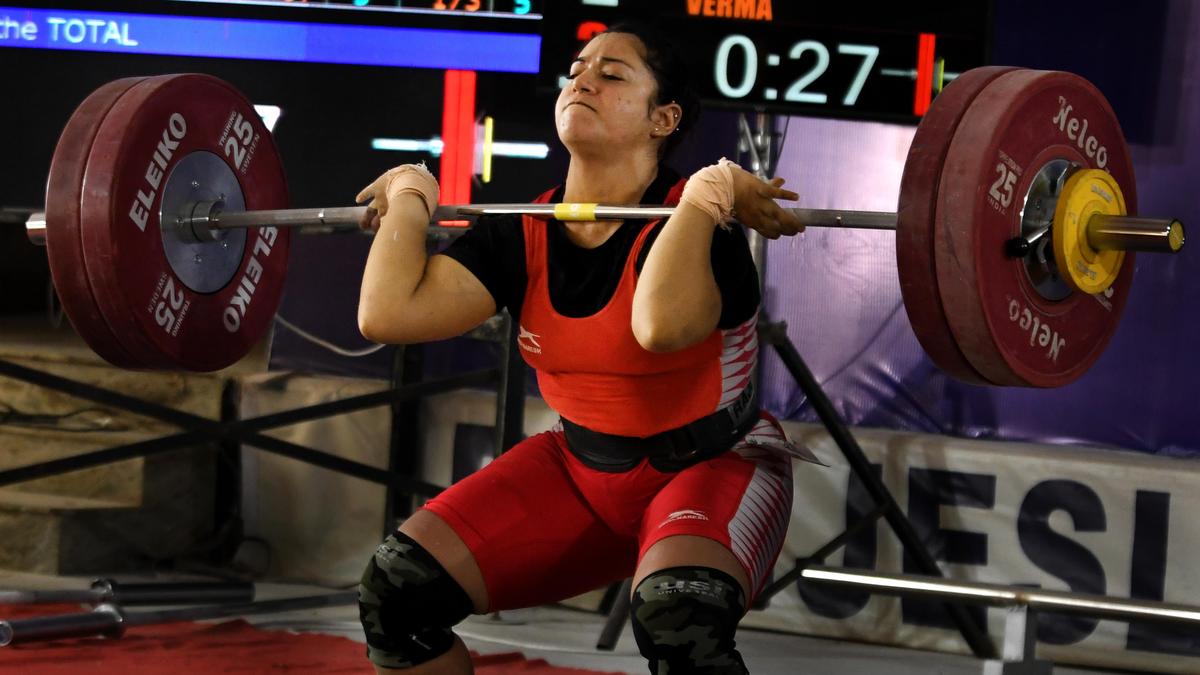
Among those who failed was N. Ajith, a 71 kg lifter and medallist at both the Commonwealth and Asian Weightlifting Championships. Ajith returned a positive result for human growth hormone (HGH). Another athlete, Vanshita Verma (86 kg), tested positive for Stanozolol, an anabolic steroid commonly associated with performance enhancement in strength sports. The identities of the other two athletes—one male lifter in the 110 kg category and one junior female lifter in the 77 kg category—were not disclosed, nor were the specific substances involved in their cases.
The positive tests were reported after samples collected from the athletes were analyzed by a World Anti-Doping Agency (WADA)-accredited laboratory. The Indian Weightlifting Federation (IWF) did not respond to requests for comment on the matter, leaving unanswered questions about the status of the athletes and the federation’s internal review process.
The timing of these revelations is particularly critical as the Commonwealth Games in Glasgow are scheduled to take place from July 23 to August 2, 2026. With three of the four athletes potentially in contention for qualification slots, the doping violations could directly impact India’s representation at the prestigious multi-sport event.
The Commonwealth Games Federation’s qualification system includes strict anti-doping provisions. According to its rules, if multiple anti-doping rule violations (ADRVs) are committed by athletes or their support personnel during the period from June 1, 2025, to July 22, 2026, the maximum number of athlete qualification slots allocated to a Commonwealth Games Association (CGA) will be reduced by the same number as the ADRVs recorded. This means that if three violations are confirmed and sanctioned within the specified timeframe, India could lose up to three qualification berths, significantly affecting its medal prospects.
The case has raised concerns within India’s sporting community, especially given the nation’s strong tradition in weightlifting. The sport has previously faced scrutiny over doping issues, and repeated violations risk damaging India’s reputation and jeopardizing its participation in international competitions.
While the federation has yet to release a formal statement, the incident underscores the growing emphasis on clean sport and the challenges faced by national federations in enforcing anti-doping protocols. As the investigation continues, the focus will be on whether the violations were intentional or accidental, and what remedial actions the federation and the athletes involved will take.
For now, the Indian weightlifting team’s participation in the Glasgow Games remains uncertain, pending the outcome of further inquiries and potential sanctions under the Commonwealth Games qualification system.