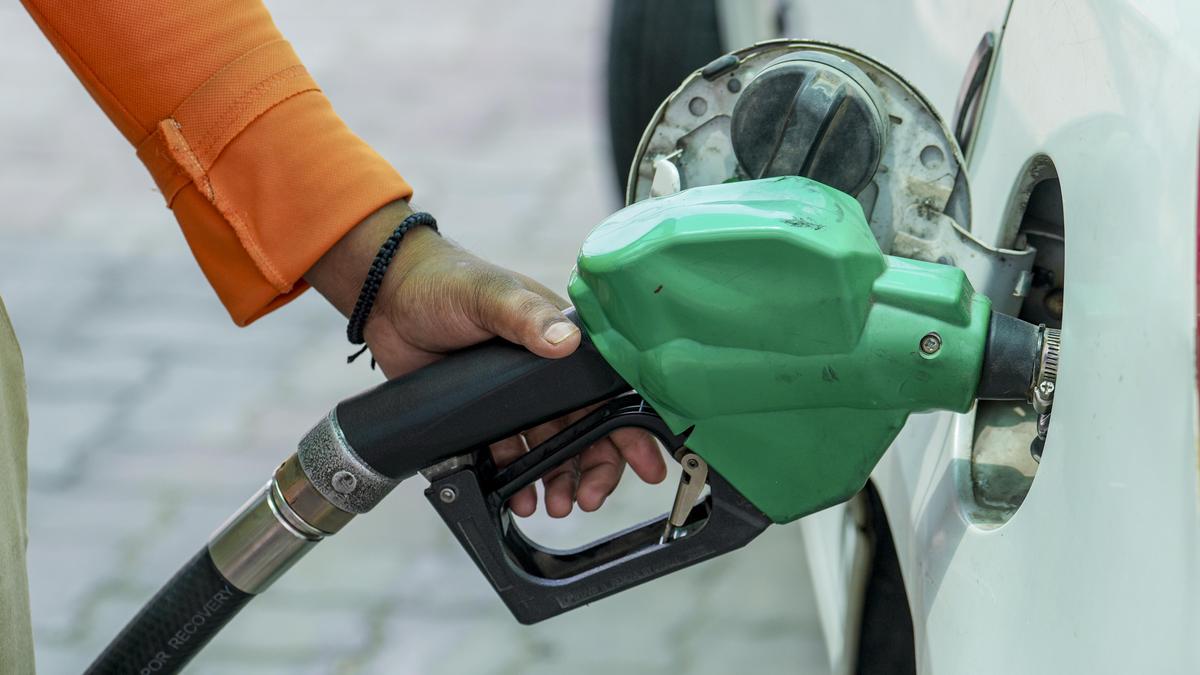
State-owned oil marketing companies raised petrol and diesel prices for the fourth time in 10 days on Monday, May 25, 2026, with the latest hike adding ₹2.85 to petrol and ₹2.84 to diesel in the Ernakulam region of Kerala. The cumulative increase since the first price revision on May 15 has pushed petrol prices up by ₹8.01 and diesel by ₹7.93 across the state, though regional variations persist due to transportation costs. In Ernakulam, petrol is now priced at approximately ₹113.60 per litre, while diesel stands at around ₹102.50 per litre.
The price surge follows successive hikes at progressively shorter intervals: a six-day gap between the first and second increases, followed by a four-day gap, and then just two days between the third and fourth revisions. Industry sources attribute the repeated increases to the ongoing West Asia conflict, which has disrupted global crude oil supplies and driven up production and logistics costs. The rising domestic prices reflect the sustained pressure on refiners and distributors operating under volatile international market conditions.
Transportation costs further amplify price differences between regions. According to Tomy Thomas, president of the All Kerala Federation of Petroleum Traders, transporting 12,000 litres of fuel from the Irumpanam plant to Thrikkakara incurs a transport cost of 20 paise per litre. However, the cost escalates to ₹2 per litre when fuel is moved to Thiruvananthapuram due to the longer distance and logistical demands. This spatial price variation underscores the impact of infrastructure and distance on final retail prices in different districts.
Petroleum dealers have also reported a tightening of payment terms by oil companies. While Indian Oil Corporation (IOC) continues to offer dealers the facility to pay on the day of delivery, Bharat Petroleum Corporation Limited (BPCL) and Hindustan Petroleum Corporation Limited (HPCL) now require advance payments. This shift has added financial strain on small and medium-sized dealers already grappling with volatile margins and rising inventory costs.
Despite the steep price increases, consumer demand has shown no signs of abating. Thomas noted that motorists appear to be accelerating purchases in anticipation of further hikes, with many filling up tanks before another potential increase. Notably, private fuel stations—despite charging higher prices than state-run outlets—have not seen a drop in footfall, indicating strong inelastic demand for mobility fuel in the state.
The dealers’ community has expressed cautious optimism, hoping for a pause in price revisions at least for the coming week. However, market watchers remain cautious given the fragile geopolitical situation in West Asia and its potential to prolong supply disruptions. The repeated and rapid hikes have raised concerns among consumers and traders alike about the sustainability of such pricing trends and their impact on inflation and household budgets.
As Kerala navigates this period of elevated fuel prices, the situation underscores the broader vulnerability of India’s energy sector to external shocks, even as domestic refiners attempt to balance market realities with consumer affordability.