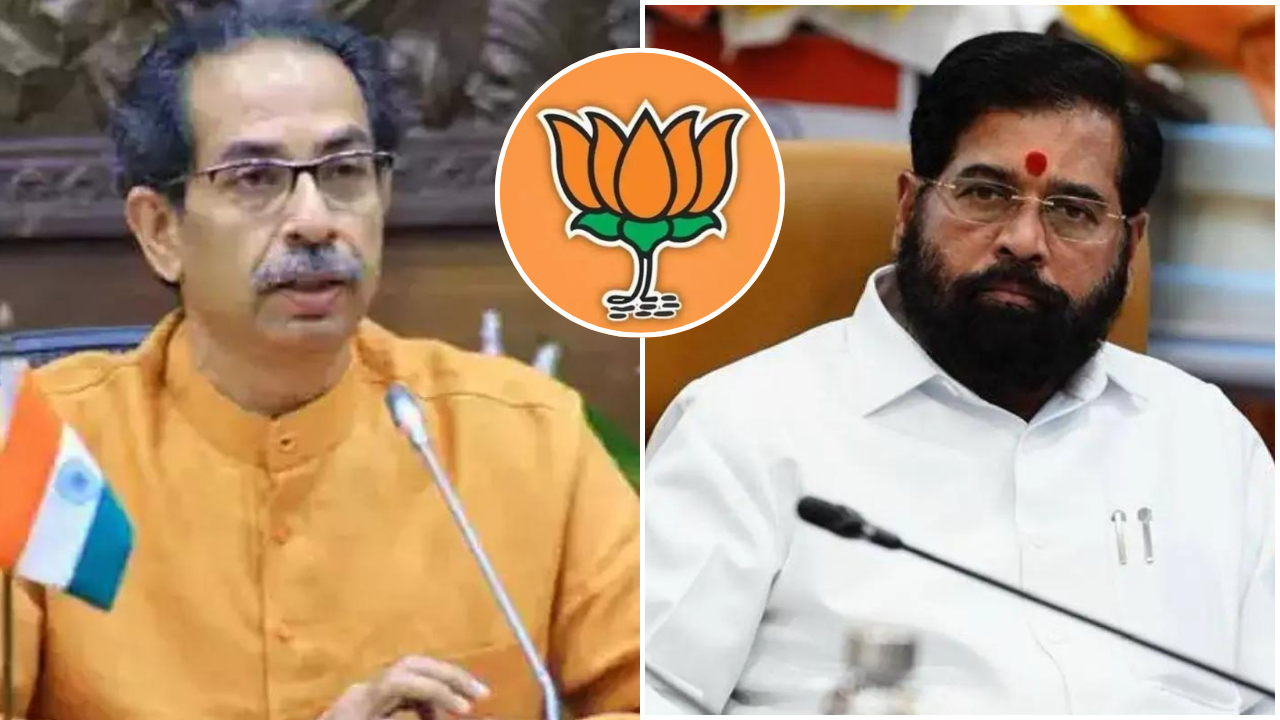
NEW DELHI, 4 years after a historic split divided the Shiv Sena into two rival factions—one led by former Chief Minister Uddhav Thackeray (Shiv Sena-Uddhav Balasaheb Thackeray or Sena-UBT) and the other by Deputy Chief Minister Eknath Shinde—the two sides now appear to be considering reunification, driven by a shared concern over the Bharatiya Janata Party’s (BJP) expanding political dominance in Maharashtra. Leaders from both factions have publicly indicated that the growing influence of the BJP poses an existential threat not only to the Shiv Sena but also to other regional allies such as the Nationalist Congress Party (NCP), prompting calls for the estranged groups to set aside their differences.
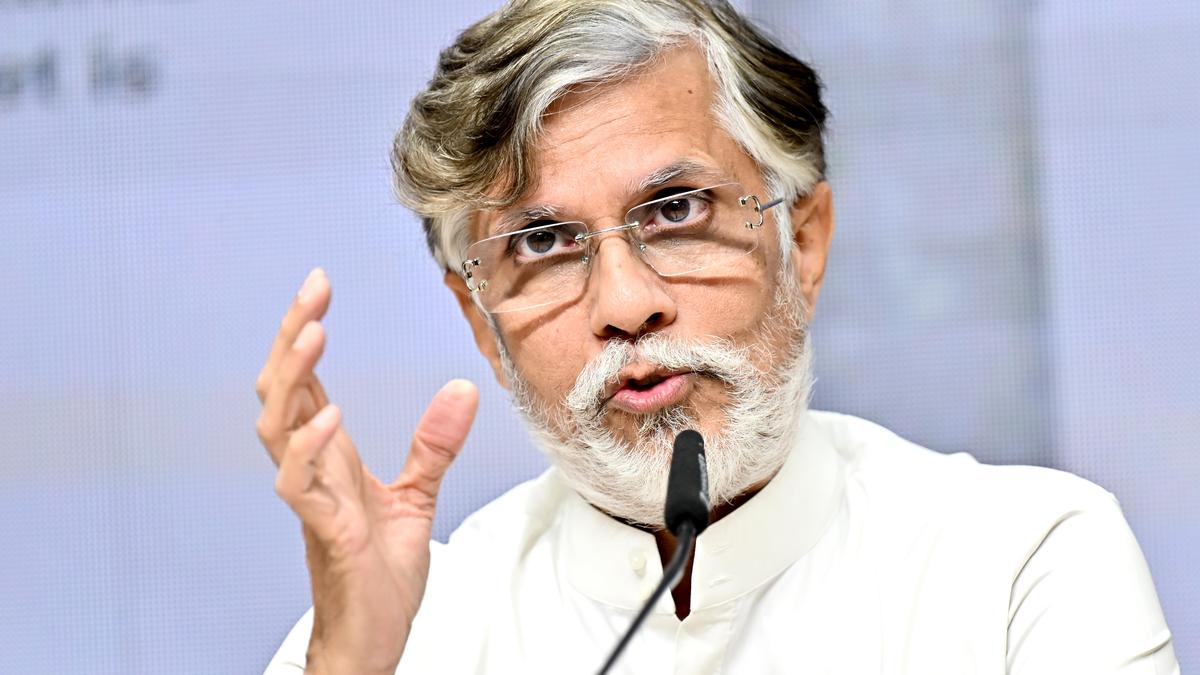
Speaking to the media, Sena-UBT leader Ambadas Danve and senior Shiv Sena leader Abdul Sattar expressed support for reunification, emphasizing that the BJP’s strategy of absorbing smaller regional parties threatens the very survival of parties like the Shiv Sena. Danve, a prominent leader in the Thackeray-led faction, stated that the BJP views the Shiv Sena not merely as a political rival but as an “enemy,” and is actively working to weaken both the Sena-UBT and the Shinde-led Shiv Sena. “A big fish swallows small fish. The BJP is doing the same with the NCP and Shiv Sena,” Danve told reporters, as quoted by PTI. He further argued that those who broke away from the undivided Shiv Sena in 2022 should now recognize this strategic threat. “The BJP's target is to finish off the Shiv Sena because it considers the party as an enemy, not just an opponent,” he said.
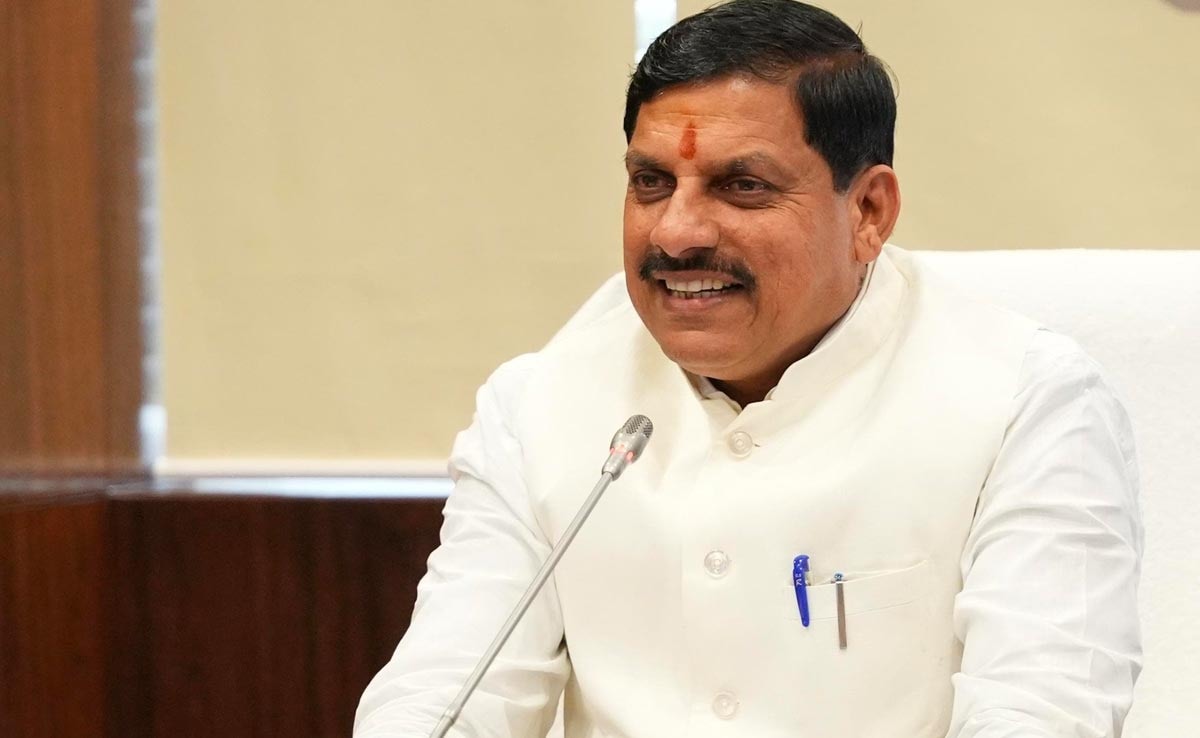
Abdul Sattar, a senior leader aligned with the Shinde faction, echoed Danve’s concerns and went a step further by suggesting that the timing for reunification is now. “This is the time to unite,” Sattar asserted. He also made it clear that if Deputy Chief Minister Eknath Shinde supports the idea of reunification, the process could move forward without delay. “If deputy chief minister Eknath Shinde says the two parties should come together, then there will be no delay in implementation,” Sattar said. His remarks carry particular weight given Shinde’s central role in the 2022 split and his current position as Deputy Chief Minister in a coalition government with the BJP.
The push for reunification comes amid growing signs of the BJP’s expanding influence in key regions of Maharashtra. Leaders from both factions pointed to the changing political landscape in Chhatrapati Sambhajinagar (formerly Aurangabad), a former stronghold of the undivided Shiv Sena. Once a bastion of Shiv Sena control, the region now has both the Aurangabad Municipal Corporation and the Zilla Parishad under BJP leadership. Danve highlighted the erosion of the Shiv Sena’s traditional voter base in the area, noting that the party had contested these seats for the past 25–30 years before the split. The upcoming Aurangabad-Jalna local bodies constituency election has become a symbol of this shift, with the BJP fielding its own candidate—an indication that the alliance dynamics are shifting in favor of the BJP.
Sattar also drew parallels with the situation in West Bengal, where the BJP has significantly weakened the Trinamool Congress (TMC), the state’s ruling party led by Chief Minister Mamata Banerjee. “However, the Shiv Sena will never meet Mamata Banerjee's fate because it is headed by a leader like Shinde,” Sattar said, suggesting that Shinde’s leadership could help the Shiv Sena avoid such a decline. His comments underscore the belief that a unified Shiv Sena under strong leadership could better resist BJP’s encroachment.
The potential reunification of the Shiv Sena factions, if realized, would mark a significant political turnaround in Maharashtra, where the party has been a dominant force for decades. The split in 2022 was a dramatic event that led to a bitter feud between Uddhav Thackeray and Eknath Shinde, culminating in a rebellion within the party ranks and a subsequent realignment with the BJP. The current signals of rapprochement suggest that the ideological and personal rifts of the past may be giving way to a pragmatic response to a more pressing threat: the BJP’s consolidation of power in the state.
While the leaders’ statements indicate a willingness to explore reunification, the path forward remains uncertain. The final decision rests with Eknath Shinde, whose support is seen as crucial for any merger to take place. Political observers note that such a move would not only reshape the state’s political landscape but also send a strong message about the resilience of regional parties in the face of national-level dominance.