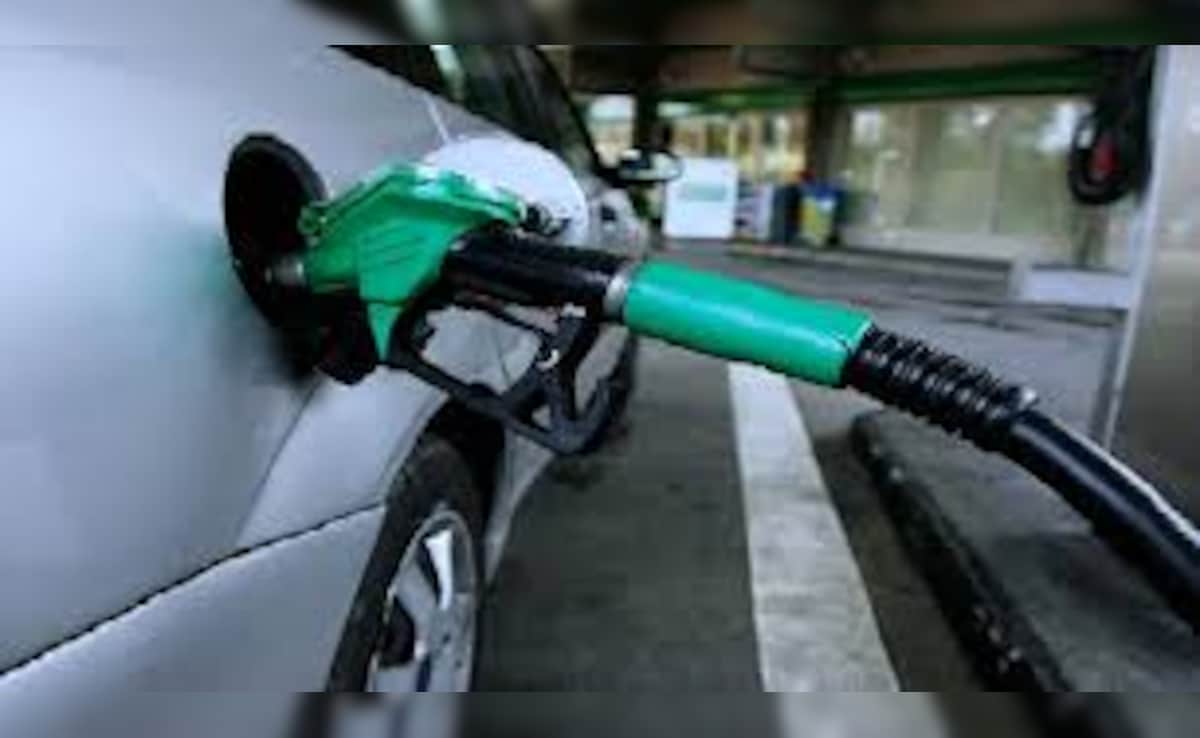
•Fuel prices in India have increased for the fourth time in less than two weeks, with petrol becoming costlier by Rs 2.61 per litre and diesel by Rs 2.71 per litre.
•The cumulative increases in petrol and diesel prices have neared Rs 7.5 per litre since fuel price adjustments resumed on May 15 after an extended freeze.
•The repeated hikes come against the backdrop of elevated global crude oil prices and a weakening rupee, both of which have raised import costs for oil marketing companies.
•Private fuel retailers, including Nayara Energy, Shell, and Jio-BP, have revised their prices alongside state-owned companies.
•The fuel price hike has significantly impacted the transport sector and the general public, increasing operational costs and pushing up prices of essential goods.
•The Karnataka State Travel Operators' Association (KSTOA) has urged the government of Karnataka to intervene and ease the burden on the sector.
Fuel prices in India have increased for the fourth time in less than two weeks, with petrol becoming costlier by Rs 2.61 per litre and diesel by Rs 2.71 per litre. This latest hike is expected to add further pressure on household budgets and transportation costs, as consumers continue to grapple with rising fuel expenses amid fluctuations in global energy markets. The cumulative increases in petrol and diesel prices have neared Rs 7.5 per litre since fuel price adjustments resumed on May 15 after an extended freeze.
The repeated hikes come against the backdrop of elevated global crude oil prices and a weakening rupee, both of which have raised import costs for oil marketing companies. Retail prices had remained largely unchanged for almost four years before the recent revisions began earlier this month. The latest increase has taken petrol prices to Rs 102.12 per litre in Delhi and diesel prices to Rs 95.20 per litre, according to industry sources. The repeated upward revisions in pump prices follow a sharp rise in global crude oil prices, which have climbed more than 50% since late February.
The surge in global crude oil prices came after US-Israeli strikes on Iran and disruptions in shipments through the Strait of Hormuz, a key route for global oil supplies. Despite rising input costs during the first two-and-a-half months of the conflict, fuel retailers had kept retail prices unchanged, intended to protect consumers from inflationary pressure. However, with the recent hikes, petrol and diesel prices have reached their highest levels since May 2022. Private fuel retailers, including Nayara Energy, Shell, and Jio-BP, have also revised their prices alongside state-owned companies.
The repeated price hikes have significantly impacted the transport sector and the general public, increasing operational costs and pushing up prices of essential goods. The Karnataka State Travel Operators' Association (KSTOA) has urged the government of Karnataka to intervene and ease the burden on the sector. KSTOA president Radhakrishna Holla has appealed to the government to reconsider the taxes imposed on fuel and reduce unnecessary government expenditure to ease the financial burden on the public. The continuous rise in fuel prices is affecting goods transport, cabs, buses, and even agriculture, with a cascading effect on commodity prices.
The fuel price hike has also led to variations in prices across different states due to differences in local taxes. Petrol prices in Mumbai are now priced at Rs 111.21 per litre, while diesel costs Rs 97.83. In Kolkata, petrol is retailing at Rs 113.51 per litre and diesel at Rs 99.82. Chennai has petrol prices at Rs 107.77 per litre, while diesel is being sold at Rs 99.55. State-run fuel retailers Indian Oil Corporation (IOC), Bharat Petroleum Corporation Ltd (BPCL), and Hindustan Petroleum Corporation Ltd (HPCL) together account for around 90 per cent of India's fuel retail market.