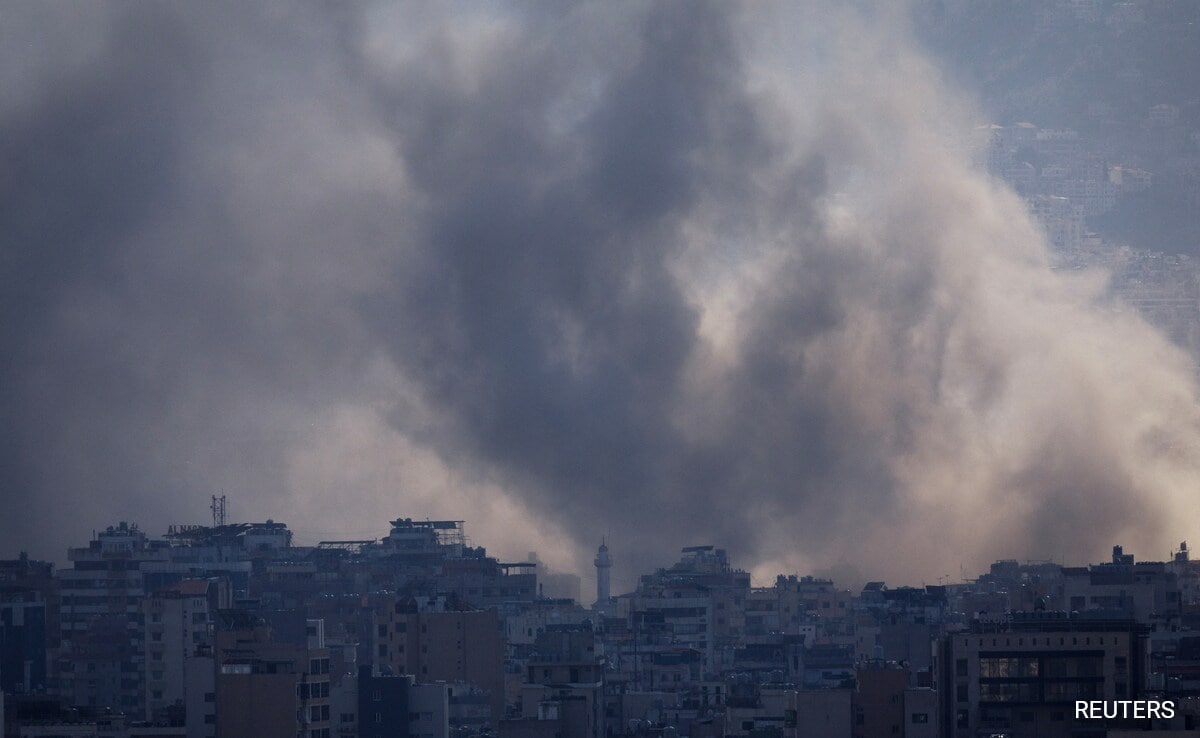
BEIRUT, June 2, 2026: Hezbollah has accepted a US-proposed framework for a mutual cessation of attacks with Israel, according to an official statement released by Lebanon’s presidency on Monday. The development comes as Israel had threatened further airstrikes on southern Beirut just days before the fourth round of direct negotiations between Lebanon and Israel, which began in April and have faced strong opposition from the Iran-backed group.
The United States Embassy in Lebanon confirmed that Hezbollah’s acceptance of the proposal was communicated to Lebanese authorities following a phone call between Lebanese President Joseph Aoun and US Secretary of State Marco Rubio. The proposed arrangement stipulates that Israeli strikes on the Dahiyeh district—Beirut’s southern suburbs—would cease in exchange for Hezbollah refraining from launching attacks against Israel. The ceasefire framework is intended to eventually cover all Lebanese territory.
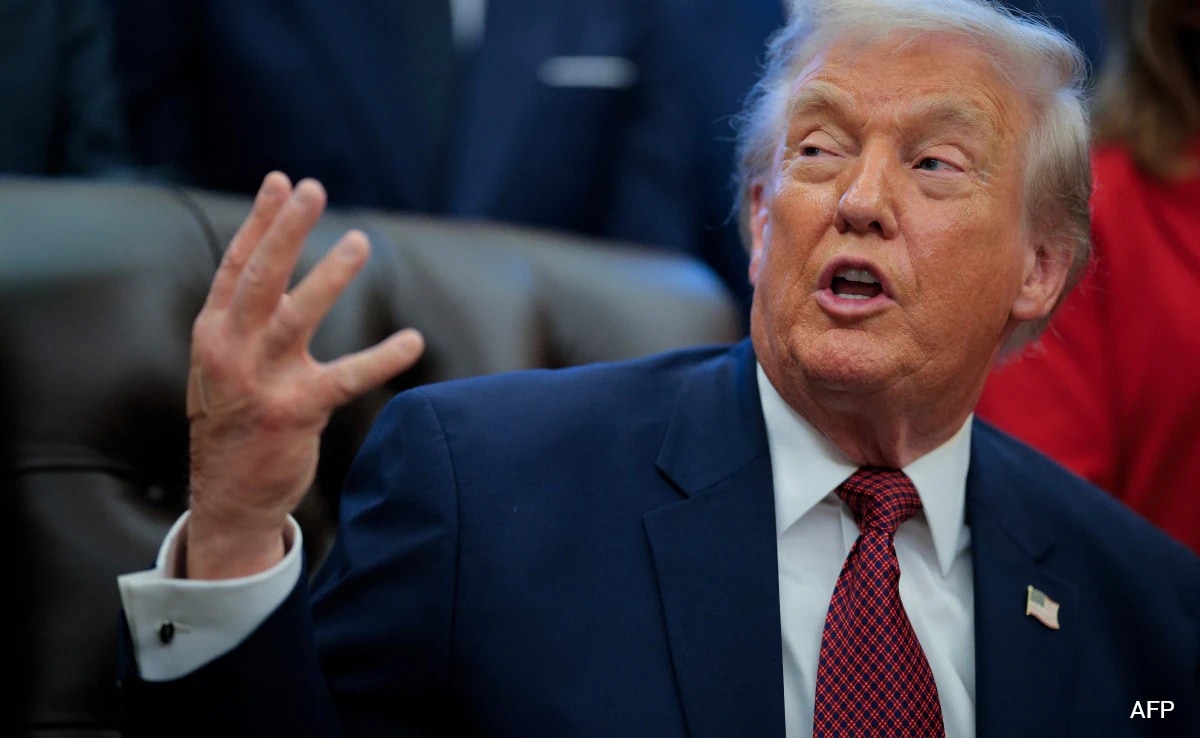
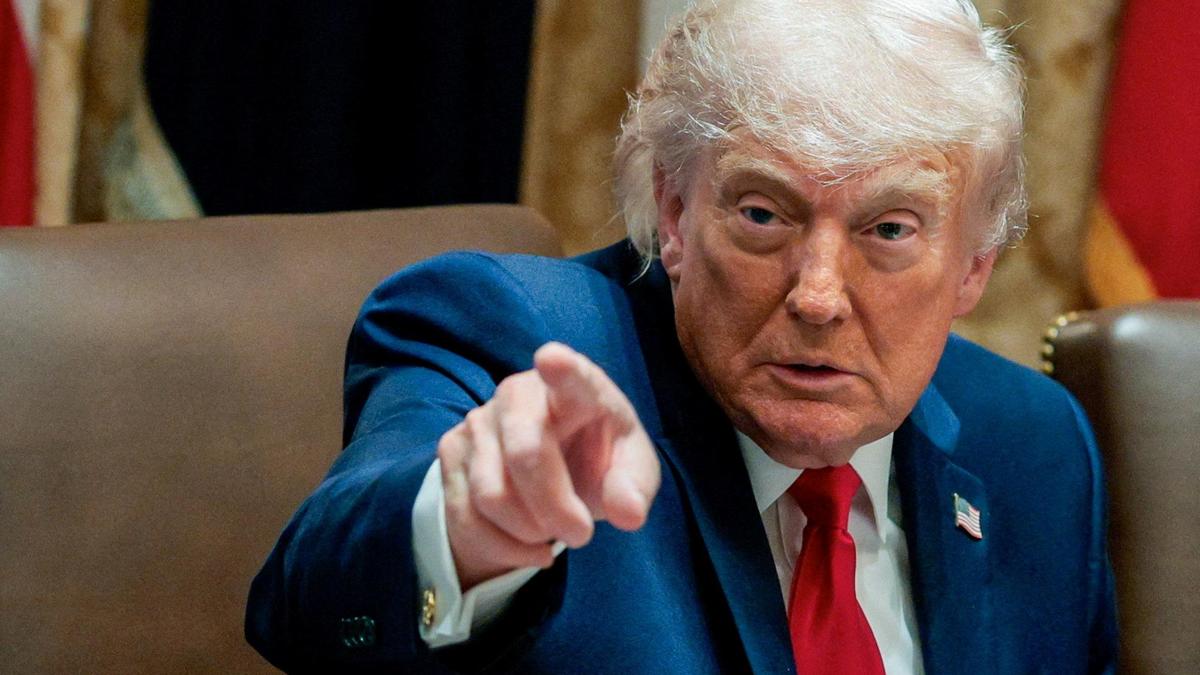
Earlier on Sunday, a senior US official, speaking to AFP on condition of anonymity, had outlined the proposed sequence to reporters: Hezbollah must halt all attacks on Israel first, after which Israel would refrain from escalating military action in Beirut. This conditional approach was reinforced when US President Donald Trump personally contacted Lebanon’s ambassador to the United States, conveying Israel’s agreement to the proposed arrangement. The ambassador then relayed the outcome to President Aoun, who subsequently informed Hezbollah.
The fourth round of negotiations between Lebanon and Israel is scheduled to take place in Washington on Tuesday and Wednesday. These talks mark a continuation of direct dialogue that began in April, despite the absence of formal diplomatic relations between the two countries. Hezbollah has consistently opposed these negotiations, reflecting broader tensions within Lebanon’s political landscape.
The latest diplomatic push follows last week’s security talks in Washington, where military delegations from both countries met at the Pentagon. These discussions are part of broader efforts to stabilize the escalating conflict along the Israel-Lebanon border, which has seen repeated exchanges of fire and civilian casualties in recent months.
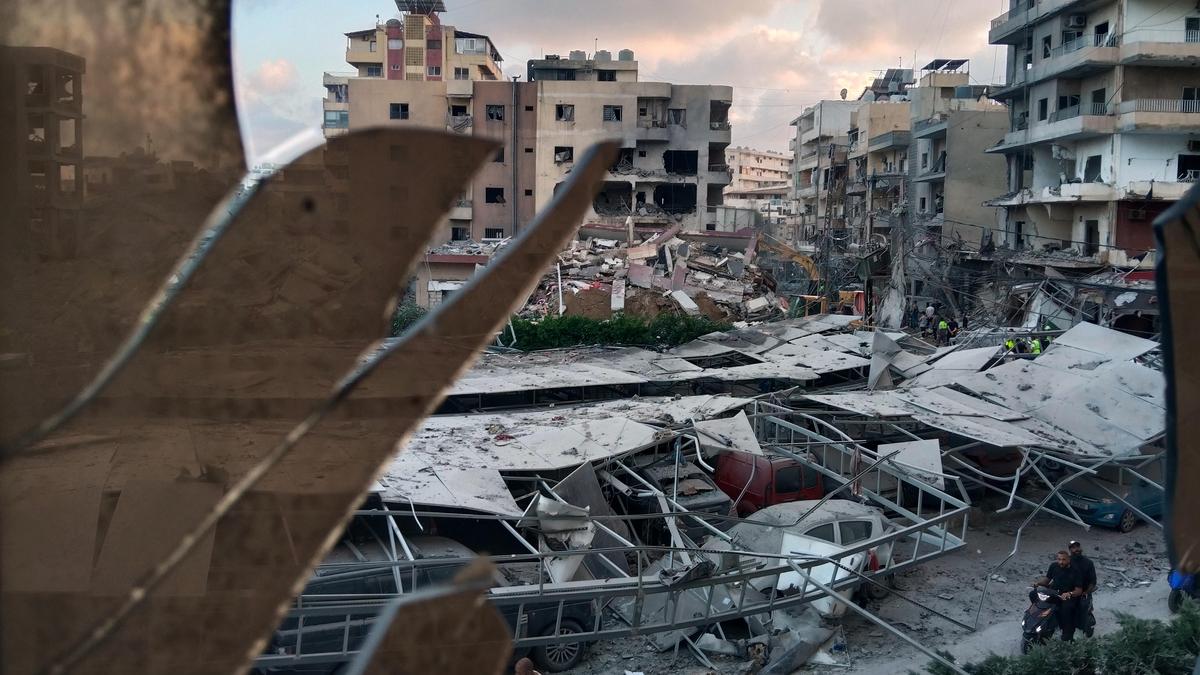
Meanwhile, the humanitarian situation in southern Lebanon remains dire, with hospitals like Jabal Amel in Tyre reporting damage from Israeli airstrikes. Images shared by international agencies show destroyed buildings and shattered hospital windows, underscoring the urgency of reaching a ceasefire.
As the Washington talks proceed, the international community continues to emphasize the need for a durable solution to prevent further civilian harm and regional escalation. Observers note that while the US-brokered proposal offers a potential pathway to de-escalation, its success hinges on Hezbollah’s compliance and Israel’s willingness to honor the terms once attacks stop.