•Suman Kalyanpur, renowned Hindi playback singer known for hits like "Aajkal Tere Mere Pyaar Ke Charche," passed away at 89 due to age-related issues on May 30, 2026
•She began her career in 1962 with “Na Tum Hamen Jano,” a duet with Hemant Kumar, initially mistaken for Lata Mangeshkar
•Her rise was linked to a professional rift between Lata Mangeshkar and Mohammed Rafi over royalty issues in the 1960s
•Kalyanpur sang several duets with Rafi, including “Aajkal Tere Mere Pyaar Ke Charche,” replacing Lata in key recordings
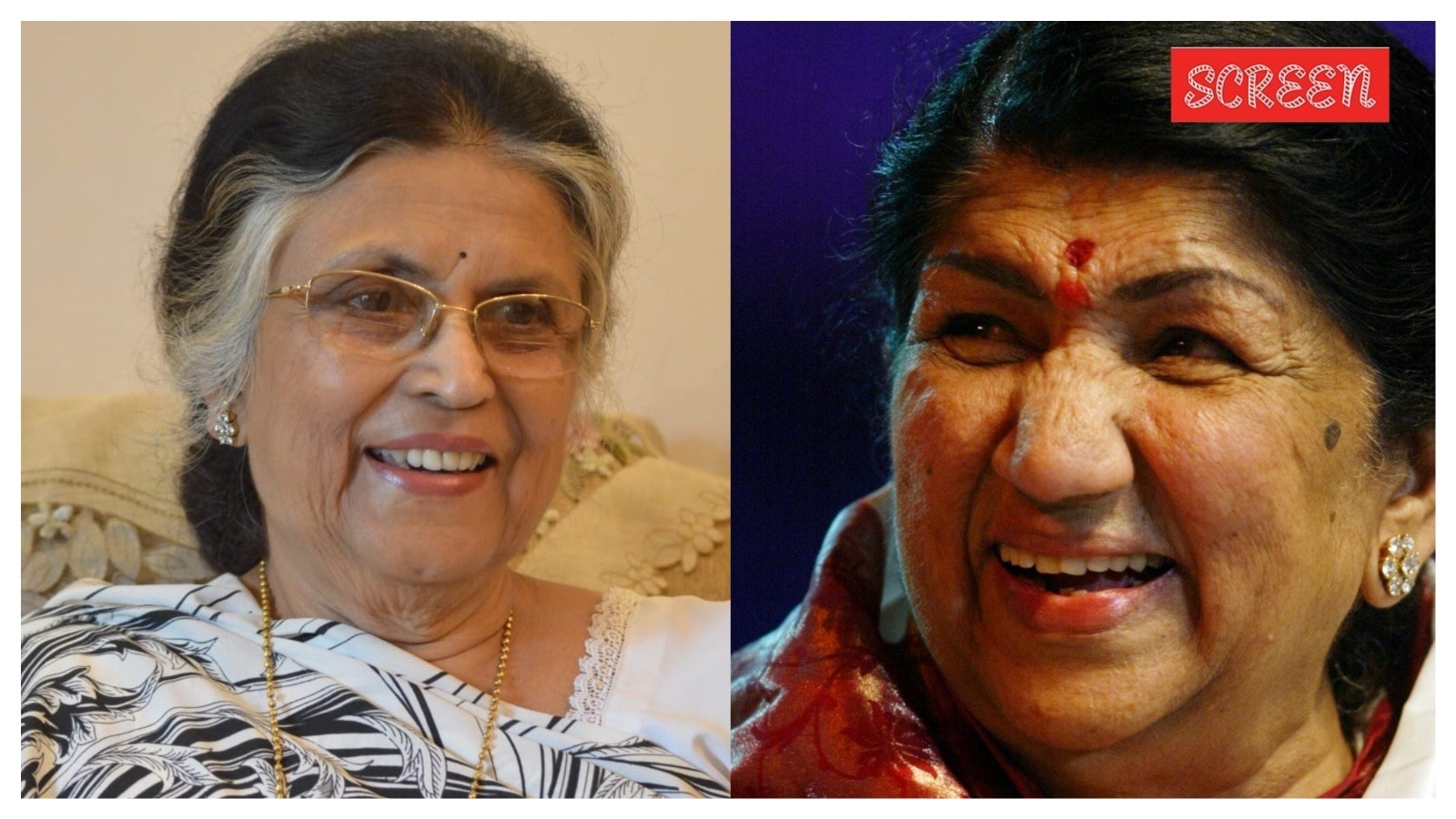
•Despite being compared to Lata, she maintained a close friendship with the legendary singer and recorded a duet with her in 1959
•She recorded over 2,000 songs across films such as *Gumnaam*, *Jab Jab Phool Khile*, and *April Fool*
•Kalyanpur dismissed voice comparisons and once called Lata Mangeshkar a close friend in a 2022 interview
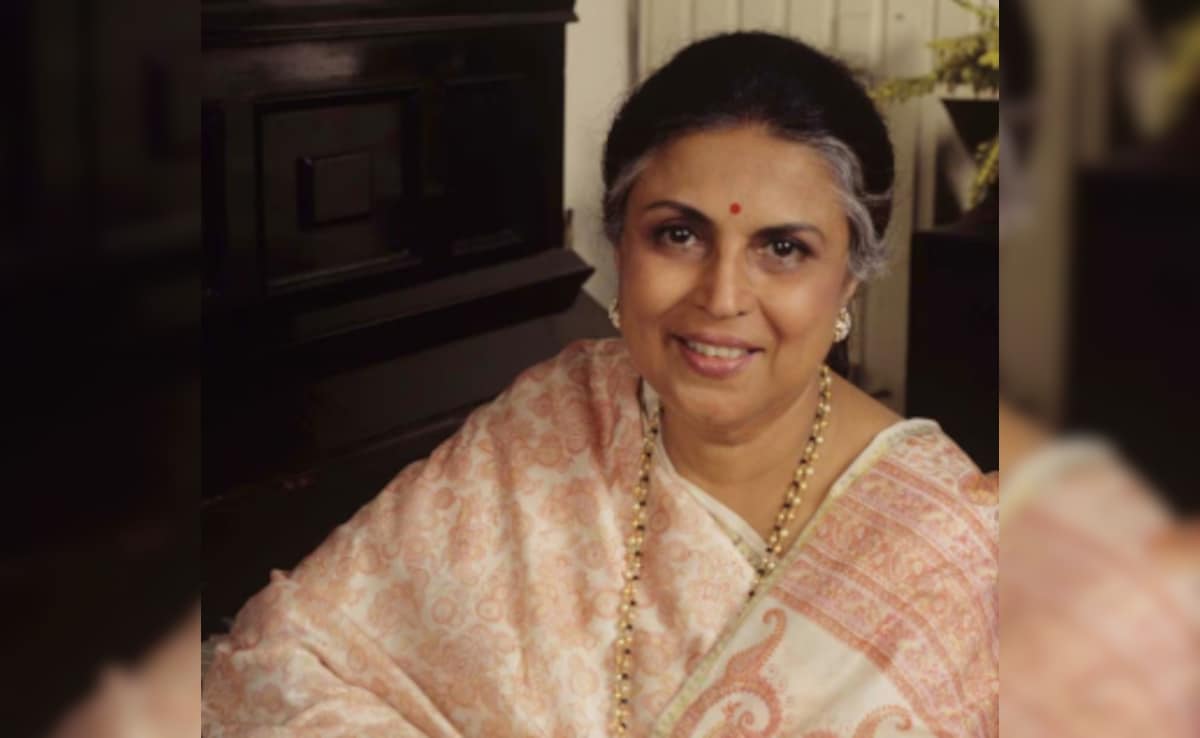
Veteran Hindi film playback singer Suman Kalyanpur passed away on Sunday evening at her Mumbai residence due to age-related complications. She was 89 years old. Best known for her melodious voice, Kalyanpur rose to prominence during the 1960s and 1970s, a period when she carved out her own space in the music industry despite being often compared to the legendary Lata Mangeshkar.
Born in 1937, Suman Kalyanpur began her career with the 1962 song “Na Tum Hamen Jano,” a duet with Hemant Kumar composed by Sachin Dev Burman. At the time, Kalyanpur was still largely unknown, and the similarity between her voice and Lata Mangeshkar’s led many to assume the song was sung by the latter. In fact, it was Kalyanpur’s voice that audiences heard in the film *Baat Ek Raat Ki*, which starred Waheeda Rehman. Years later, when the popular music program *Chhaya Geet* on Doordarshan incorrectly credited Lata Mangeshkar for “Na Na Karte Pyar,” Kalyanpur’s daughter Charu Hemmady intervened and requested the broadcaster to correct the record.
Kalyanpur’s career reached its peak during the mid-20th century when the music industry was dominated by Lata Mangeshkar. However, her rise was indirectly aided by a professional rift between Lata and another iconic singer, Mohammed Rafi. In the 1960s, Lata Mangeshkar led a campaign advocating for royalty payments for singers, arguing that producers—not performers—should bear the financial burden of royalties. Top singers, including Lata, Mukesh, and Talat Mehmood, decided to boycott HMV (His Master’s Voice), the leading music label at the time, which resisted this change. Rafi, however, continued recording for HMV, a decision that strained his relationship with Lata.
According to Lata Mangeshkar’s statements in interviews with *Mumbai Mirror* (2009) and *Subhash K Jha* (2012), Rafi allegedly opposed her royalty campaign and once referred to her as a “maharani” during a meeting of the Musicians’ Association. Lata responded sharply, and the disagreement escalated to a point where Rafi vowed never to sing with her again. In retaliation, Lata reportedly left the meeting and instructed composers working with her to avoid Rafi in future duets. Producers, however, could not afford to lose the magical pairing of Lata and Rafi. To fill this gap, they turned to Suman Kalyanpur, whose voice closely resembled Lata’s in tone and style.
As a result, Kalyanpur was roped in to record several memorable duets with Rafi, including “Aajkal Tere Mere Pyaar Ke Charche” and “Tumne Pukara Aur Hum Chale Aaye.” Her contributions during this period helped sustain the romantic and emotional depth of Hindi film music, even as the industry navigated professional tensions among its top voices.
Despite frequent comparisons to Lata Mangeshkar, Kalyanpur maintained a gracious perspective. In a 2022 interview with PTI, she referred to Lata as a close friend and expressed admiration for her immortal legacy. The two singers even collaborated on a duet titled “Kabhi Aaj Kabhi Kal” for the 1959 film *Chand*, starring Meena Kumari and Balraj Sahni. “Everyone loved her songs, and she will be immortal. We recorded a duet together... Every time I met her, it felt like I met a close friend,” Kalyanpur had said.
Suman Kalyanpur’s voice remains etched in the memories of generations of listeners through her contributions to over 2,000 songs across films like *Gumnaam*, *Jab Jab Phool Khile*, and *April Fool*. Her ability to capture the emotional essence of romantic and melancholic compositions earned her a dedicated following. Though often in the shadow of giants like Lata and Rafi, Kalyanpur’s artistry shone brightly during an era that defined Hindi film music.