•Rahul Gandhi accused PM Modi of raising fuel prices in phases to avoid public backlash, dubbing him “Inflation Man Modi” on X.
•Fuel prices in Delhi surged to ₹102.12 (petrol) and ₹95.20 (diesel) after a ₹2.61 and ₹2.71 increase respectively on May 27.
•Cumulative hikes over two weeks exceeded ₹7 per litre, including increases on May 15, 19, 23, and 27.
•Prices rose sharply in other metros: Kolkata, Mumbai, and Chennai also saw significant increases in petrol and diesel rates.
•Gandhi alleged the government prioritised elections over economic concerns and made hollow promises during campaigns.
•Oil companies cited high global crude prices, currency fluctuations, and West Asia tensions—especially around the Strait of Hormuz—as reasons for the hikes.
•The dynamic fuel pricing policy, in place since 2017, adjusts prices daily based on international markets, according to the Petroleum Ministry.
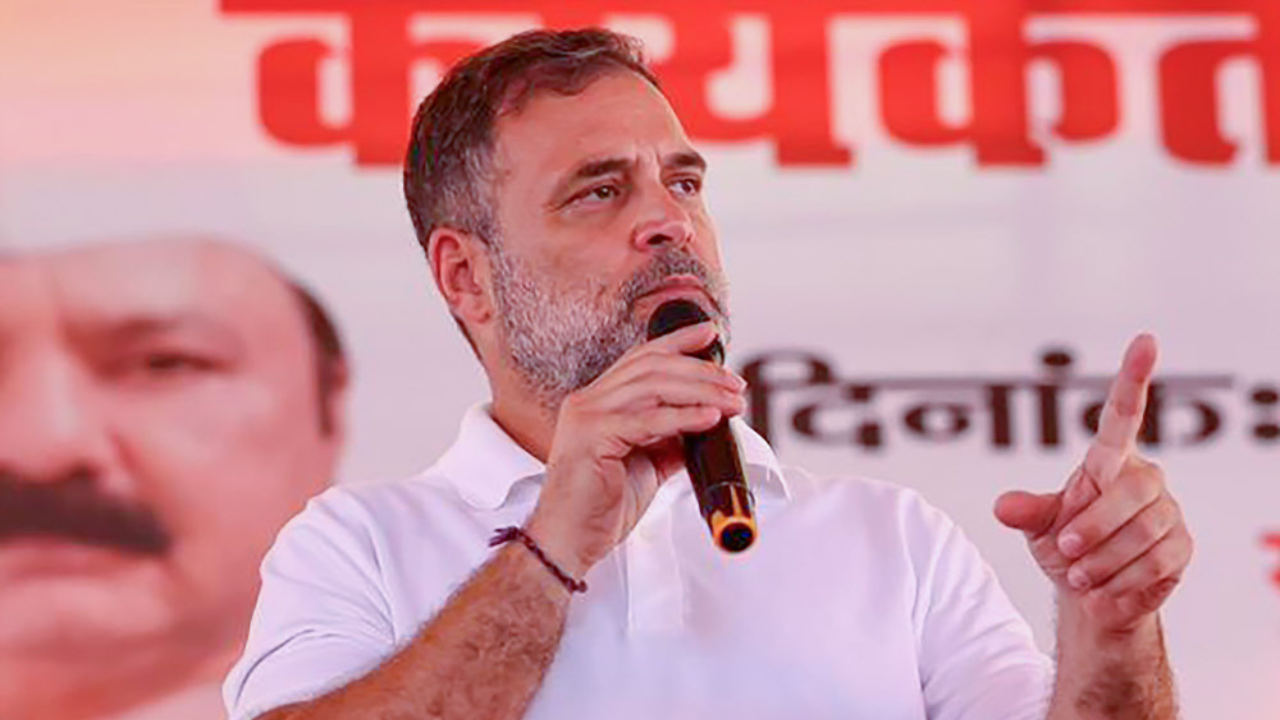
New Delhi, May 27 — Congress leader Rahul Gandhi on Monday launched a scathing attack on Prime Minister Narendra Modi, accusing the central government of systematically increasing fuel prices in phased increments to avoid public outrage while burdening citizens economically. In a post on X (formerly Twitter), Gandhi referred to the Prime Minister as “Inflation Man Modi,” alleging that the government deliberately spreads hikes over time to quietly extract money from people’s pockets.
“Inflation Man Modi strikes again. They raise petrol-diesel prices in instalments—so that your pocket keeps getting quietly fleeced,” Gandhi wrote. He went on to claim that he had been warning about an impending economic crisis for months, asserting that the government had prioritised electoral politics over economic stability. “I’ve been warning for months about an economic storm coming. But Modi ji, as always, was busy with elections at the time, and no sooner had the elections ended than petrol-diesel was hiked by Rs 8. And this rise will just keep going,” he stated.
The Congress leader also accused the Prime Minister of making lofty promises during election campaigns only to impose financial burdens on citizens immediately after voting concluded. “Inflation Man Modi's only job is promises during elections, and the rest of the time, attacks on the public's pockets,” he added.
The criticism comes in the wake of the fourth fuel price revision in less than two weeks, driven by volatility in global crude oil markets and escalating geopolitical tensions in West Asia. On Monday, petrol prices in Delhi surged by ₹2.61, taking the price to ₹102.12 per litre, while diesel rose by ₹2.71 to ₹95.20 per litre. This latest increase follows a ₹3 per litre hike on May 15, a 90 paise increase on May 19, and another rise on May 23, when petrol became costlier by 87 paise and diesel by 91 paise. Cumulatively, fuel prices have risen by more than ₹7 in under two weeks.
Major metropolitan cities across India witnessed similar steep increases. In Kolkata, petrol prices climbed to ₹113.51 per litre and diesel to ₹99.82. Mumbai saw petrol at ₹111.21 and diesel at ₹97.83. In Chennai, petrol reached ₹107.77 per litre and diesel ₹99.55.
Oil marketing companies have attributed the repeated hikes to sustained high global crude prices, fluctuations in the exchange rate, and fears of potential supply disruptions linked to the ongoing conflict in West Asia, particularly concerns around the Strait of Hormuz — a critical chokepoint for global oil transit.
The timing of the price increases, coming just days after the conclusion of major state elections including Karnataka, has intensified political scrutiny. Opposition parties have alleged that the government is timing the hikes to avoid backlash during election periods, only to pass on the burden to consumers once voting has ended.
While the central government has not issued an official response to Gandhi’s remarks, the Ministry of Petroleum has previously stated that fuel prices are adjusted daily based on international crude prices and exchange rates, in line with a policy of dynamic pricing introduced in June 2017.
As inflationary pressures continue to mount, the latest fuel price surge is set to further strain household budgets and transportation costs, potentially impacting inflation and economic sentiment in the coming months.