•Apple’s iOS 27 will include native support for third-party media-casting protocols to comply with the EU’s Digital Markets Act.
•The DMA requires gatekeepers like Apple to allow interoperability with third-party services, reducing reliance on proprietary technologies like AirPlay.
•Users in the EU will gain the ability to stream content to a wider range of devices using alternatives to AirPlay.
•Developers will have new opportunities to create apps that integrate with iOS 27’s casting framework, potentially increasing competition.
•Apple may implement these changes globally to maintain consistency, though the DMA currently applies only to the EU.
•The update is expected to be announced at WWDC 2024, with a possible release later in the year.
•This shift reflects Apple’s efforts to address regulatory concerns and foster a more open digital ecosystem.
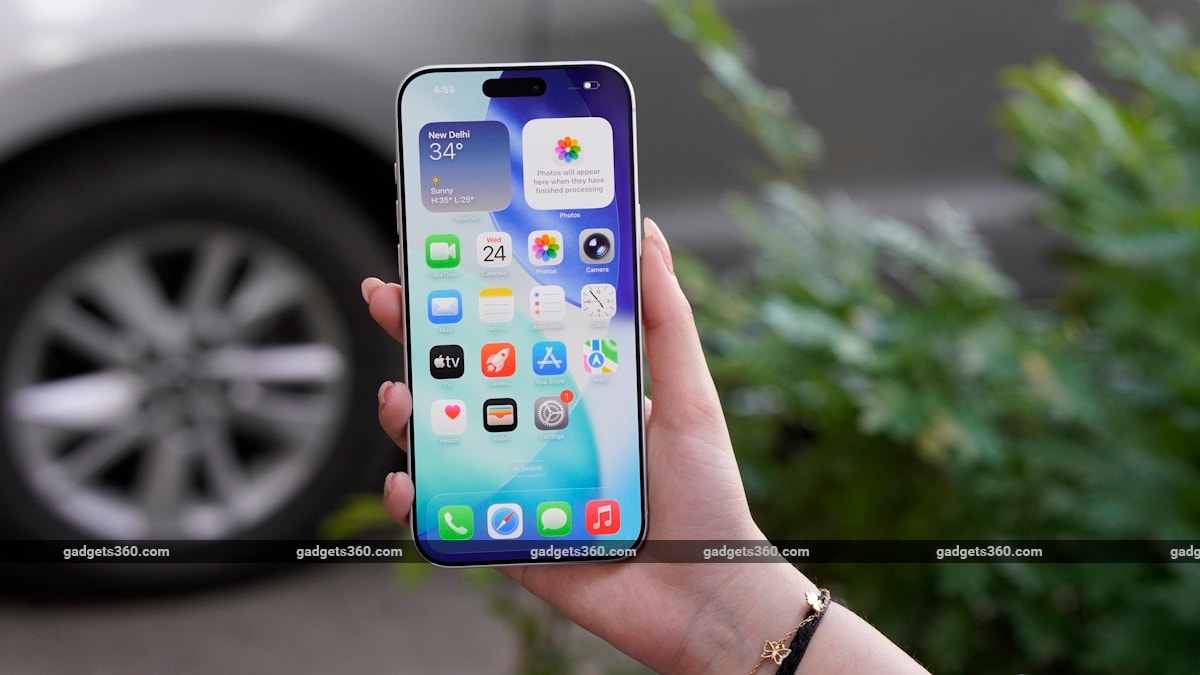
Apple is preparing to introduce significant changes in its upcoming iOS 27 update, which will include native support for third-party media-casting protocols. This move is aimed at aligning with the European Union’s Digital Markets Act (DMA), a regulatory framework designed to promote fair competition and reduce the dominance of major tech platforms. According to a report by Gadgets 360, the new operating system will allow users to stream content from their iPhones to external displays and speakers using alternatives to Apple’s proprietary AirPlay technology.
The inclusion of third-party casting protocols in iOS 27 marks a notable shift in Apple’s long-standing ecosystem strategy, which has traditionally prioritized its own services and technologies. AirPlay has been a core feature of Apple devices for years, enabling seamless media streaming within the Apple ecosystem and to compatible third-party devices. However, the DMA, which came into effect in March 2024, requires "gatekeepers"—large tech companies like Apple—to allow interoperability with third-party services. This means users should be able to choose from multiple options for media streaming, rather than being restricted to Apple’s solutions.
Under the DMA, Apple has been mandated to open up its platform to third-party alternatives, ensuring that users in the EU have more choices. The upcoming iOS 27 update is expected to comply with these requirements by integrating support for third-party casting protocols directly into the operating system. This would allow users to select from a range of streaming services or devices without relying solely on AirPlay. For instance, a user could cast media from their iPhone to a smart TV or speaker that uses a different casting technology, such as Google Cast or other open protocols.
Industry analysts suggest that this change could have broader implications beyond the EU. While the DMA currently applies only to the European market, Apple may choose to implement these changes globally to maintain consistency across its software updates. This would ensure a uniform experience for users worldwide while simplifying the development process for third-party app creators. Developers will now have the opportunity to create apps that integrate seamlessly with iOS 27’s casting framework, potentially increasing competition and innovation in the media streaming space.
The move also reflects Apple’s ongoing efforts to address regulatory concerns. The company has faced scrutiny in the past over its control over the iOS ecosystem, particularly regarding restrictions on third-party app stores and payment systems. The DMA’s requirements present an opportunity for Apple to demonstrate its commitment to fostering a more open and competitive digital environment. However, this shift may also pose challenges, such as ensuring compatibility with a wide range of devices and protocols while maintaining the security and performance standards that Apple is known for.
Users in the EU can look forward to greater flexibility when it comes to streaming content from their iPhones. Instead of being limited to AirPlay-compatible devices, they will have the freedom to use a variety of casting technologies. This could include popular alternatives like Google’s Chromecast, Amazon’s Fire TV, or other smart home devices that support open protocols. The update is expected to enhance the user experience by providing more options and reducing dependency on Apple’s proprietary ecosystem.
Apple has not yet officially confirmed the details of iOS 27 or its release date. However, the company is known for announcing major iOS updates at its annual Worldwide Developers Conference (WWDC), typically held in June. Users and developers will likely receive more information about the update during this event, including beta versions for testing. Until then, anticipation is building around how iOS 27 will reshape the media streaming landscape and what new opportunities it will create for both users and developers.