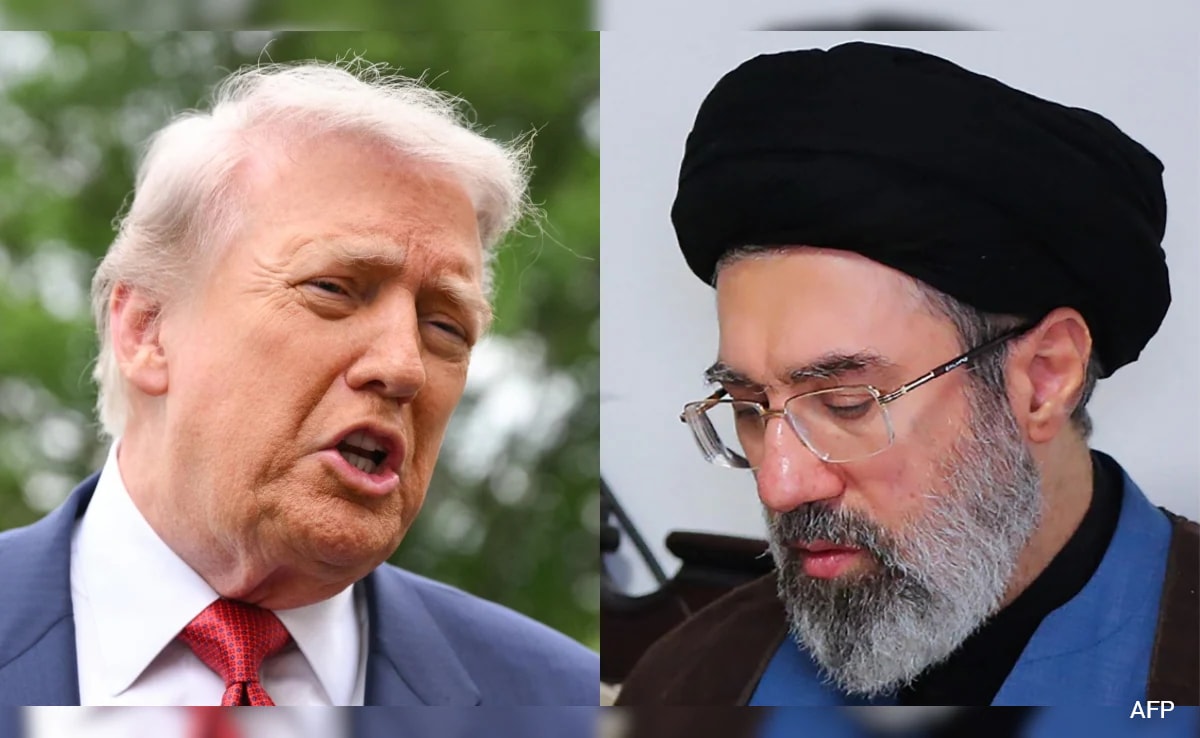
As the United States and Iran move closer to a potential ceasefire agreement, Gulf states are facing a critical dilemma: whether to continue depending on external powers for their security or acknowledge the limitations of American protection. US Secretary of State Marco Rubio recently stated that a deal between Washington and Tehran could materialize “within hours,” while former US President Donald Trump claimed that a framework agreement had already been “largely negotiated.” The proposed ceasefire could lead to the reopening of the Strait of Hormuz, partial easing of sanctions on Iran, and a temporary halt to one of the region’s most dangerous conflicts in decades. However, Gulf monarchies—caught in the middle—are far from reassured. Instead, the ceasefire has intensified their concerns about long-term regional security.
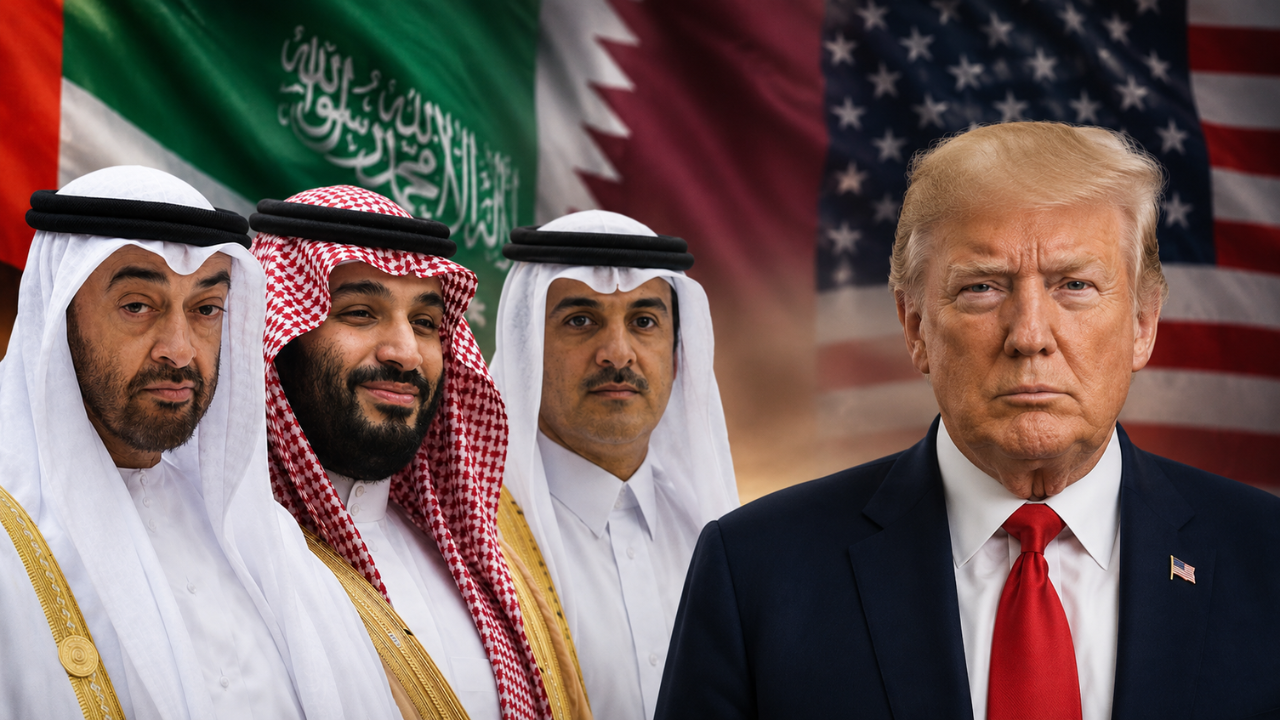
The conflict has starkly exposed the vulnerabilities of Gulf states despite decades of military partnerships with the US. Iranian-backed attacks using missiles, drones, and proxy forces have repeatedly targeted critical infrastructure, including ports, oil facilities, and even nuclear plants. The UAE’s Barakah nuclear plant faced drone strikes allegedly launched by Iran-backed militias in Iraq, while Saudi Arabia and the UAE have endured repeated strikes on their energy infrastructure. Gulf leaders, including Saudi Crown Prince Mohammed bin Salman, UAE President Mohamed bin Zayed, and Qatari Emir Tamim bin Hamad Al Thani, have privately urged Trump not to resume military action against Iran. Their concern stems from the potential economic devastation and lasting damage to the Gulf’s reputation as a stable global energy and investment hub.
A recent analysis in *Foreign Affairs* argues that the war has exposed the failure of the Gulf’s long-standing security model, which has relied heavily on Western powers, particularly the US. Scholar David B. Roberts contends that American military bases across the Gulf have become liabilities, as they draw Iranian retaliation against Gulf infrastructure. Roberts proposes a phased US military withdrawal over five years, paired with Iranian concessions on missiles, drones, and nuclear oversight, alongside Gulf-led regional security arrangements and economic integration to deter future conflicts. However, implementing such a model faces significant challenges, including technical and political hurdles in integrating Gulf militaries into a cohesive defense structure.
Despite the destruction, Gulf states are prioritizing de-escalation over confrontation. Pakistan has emerged as a key mediator, facilitating indirect negotiations between Washington and Tehran. The proposed ceasefire reportedly includes reopening the Strait of Hormuz, temporary sanctions relief for Iran’s oil and gas exports, partial release of frozen Iranian assets, a 60-day pause in nuclear discussions, and continued negotiations toward a broader settlement. Yet, Gulf states remain deeply skeptical of Iran’s intentions. An analysis by the Gulf International Forum highlights how Iran’s attacks have shattered years of diplomatic efforts to moderate Tehran’s behavior, including the 2023 Saudi-Iran rapprochement brokered by China. Analyst Dina Esfandiary noted that Gulf states “were caught in the middle of a US-Iran war and suffered much of the fallout.”
The war has also revealed growing fractures within the Gulf Cooperation Council (GCC). While Saudi Arabia and Qatar advocate for diplomacy and de-escalation, the UAE has pursued a more confrontational strategy. Reports indicate that Abu Dhabi coordinated limited retaliatory strikes with the US and Israel during the conflict. The UAE has also acquired Israeli-made Iron Dome systems and pushed for stronger military measures to secure the Strait of Hormuz. This divergence reflects a broader strategic split between Riyadh and Abu Dhabi, extending to conflicts in Yemen, Sudan, and Gaza, as well as energy policy and relations with political Islamist movements. The UAE’s decision to leave OPEC earlier this year underscores these tensions, as Abu Dhabi accelerates work on alternative oil export pipelines to bypass the Strait of Hormuz, signaling a belief that future instability with Iran may be inevitable.
The path to greater Gulf self-reliance is fraught with challenges. While Gulf states have increased defense spending and acquired advanced military equipment, integrating air, naval, and missile defense systems into a unified regional architecture remains technically and politically difficult. Interoperability gaps, differing procurement sources, and opaque command structures hinder effective joint operations. Economic interdependence with Western powers further complicates strategic autonomy, as Gulf economies remain deeply tied to Western financial systems, technology providers, and security contractors. Shifting away from American guarantees carries significant economic risks, including higher insurance premiums for shipping and potential slowdowns in foreign investment.
Domestic politics add another layer of complexity. Gulf rulers must balance elite consensus, tribal considerations, and public sentiment, making abrupt realignments politically risky. This incentivizes cautious hedging—pursuing gradual capability-building and behind-the-scenes diplomacy rather than bold, visible shifts. Any durable Gulf security framework will likely require buy-in from middle powers like Turkey, Pakistan, and India, as well as institutional mechanisms for dispute resolution and verification. Without credible third-party guarantees, confidence-building measures may struggle to take root. Ironically, the region’s path to greater autonomy may still depend on carefully managed engagement with external powers rather than a complete break from them.