•Mumbai Indians signed Mahipal Lomror and Ruchit Ahir to replace Quinton de Kock and Raj Bawa, respectively, ahead of IPL 2027 retention.
•Rajasthan Royals brought in Emanjot Chahal as a replacement for Ravi Singh during the final rounds of IPL 2026.
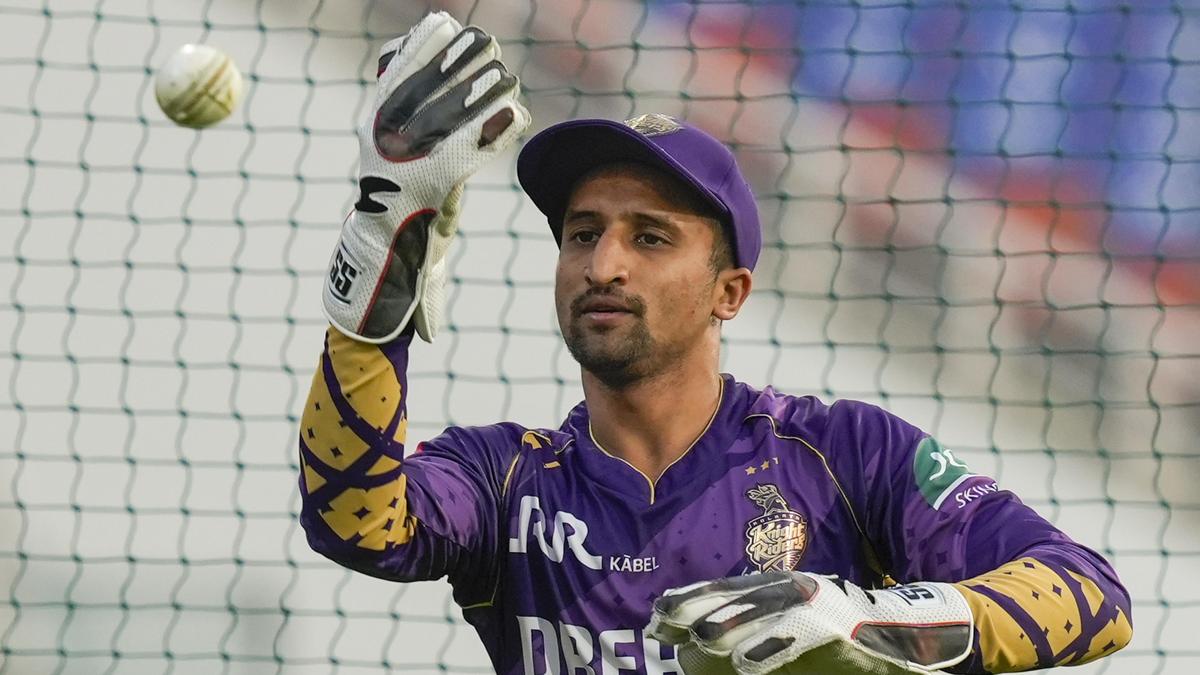
•Kolkata Knight Riders confirmed Luvnith Sisodia as a replacement for Matheesha Pathirana.
•All four replacements become eligible for retention under IPL rules if injuries were reported before a team’s 12th match.
•Chennai Super Kings previously used this strategy in IPL 2025 by signing Dewald Brevis mid-season and retaining both players later.
•Franchises are increasingly using late-season replacements as a cost-effective way to expand talent pools ahead of auctions.
•Injury replacement rules now play a significant role in long-term squad-building and retention planning across IPL teams.
In a series of carefully timed moves ahead of the IPL 2027 auction, four franchises have brought in injury replacements late in the 2026 league stage, positioning themselves for retention benefits while avoiding costly bidding wars. According to league regulations, any player signed as a replacement before or during a team’s 12th match automatically qualifies—alongside the injured player—for retention ahead of the next auction, even if the announcement comes after the 12th game.
Over the weekend of May 23–24, 2026, Mumbai Indians (MI) and Rajasthan Royals (RR) were the first to act. MI announced the signings of Mahipal Lomror and Ruchit Ahir as replacements for Quinton de Kock and Raj Bawa, respectively. Meanwhile, Rajasthan Royals roped in Emanjot Chahal to cover for Ravi Singh. On May 24, Kolkata Knight Riders (KKR) confirmed Luvnith Sisodia as the replacement for Matheesha Pathirana. While none of these players featured in their teams’ final league fixtures, the moves were clearly aimed at expanding retention options under IPL rules.
An IPL official confirmed to *The Hindu* that all injury communications had been formally recorded with the league before each franchise completed its 12th match, ensuring eligibility for retention. This mechanism allows teams to bring in emerging talents mid-season and retain both the replacement and the original player at the next auction, without spending on open-market bidding.
The regulation has quietly reshaped squad-building strategies across recent IPL editions. A notable example from IPL 2025 saw Chennai Super Kings (CSK) sign Dewald Brevis mid-season as a replacement for Gurjapneet Singh. Both players were later retained ahead of the 2026 auction. This pattern reflects a growing trend: franchises are increasingly viewing late-season replacements not just as stopgap solutions, but as strategic investments to widen their talent pool and secure cost-effective retention options.
With the IPL 2027 auction on the horizon, these four replacements—Lomror, Ahir, Chahal, and Sisodia—are now part of a broader tactical approach. By leveraging injury replacement rules, teams can avoid competitive bidding and instead lock in young players early, ensuring continuity and stability in their squads for the next season.
As the IPL enters its final phases, the ripple effects of these strategic signings will be closely watched, especially by rival franchises who may adopt similar tactics in future seasons to stay competitive without overspending.