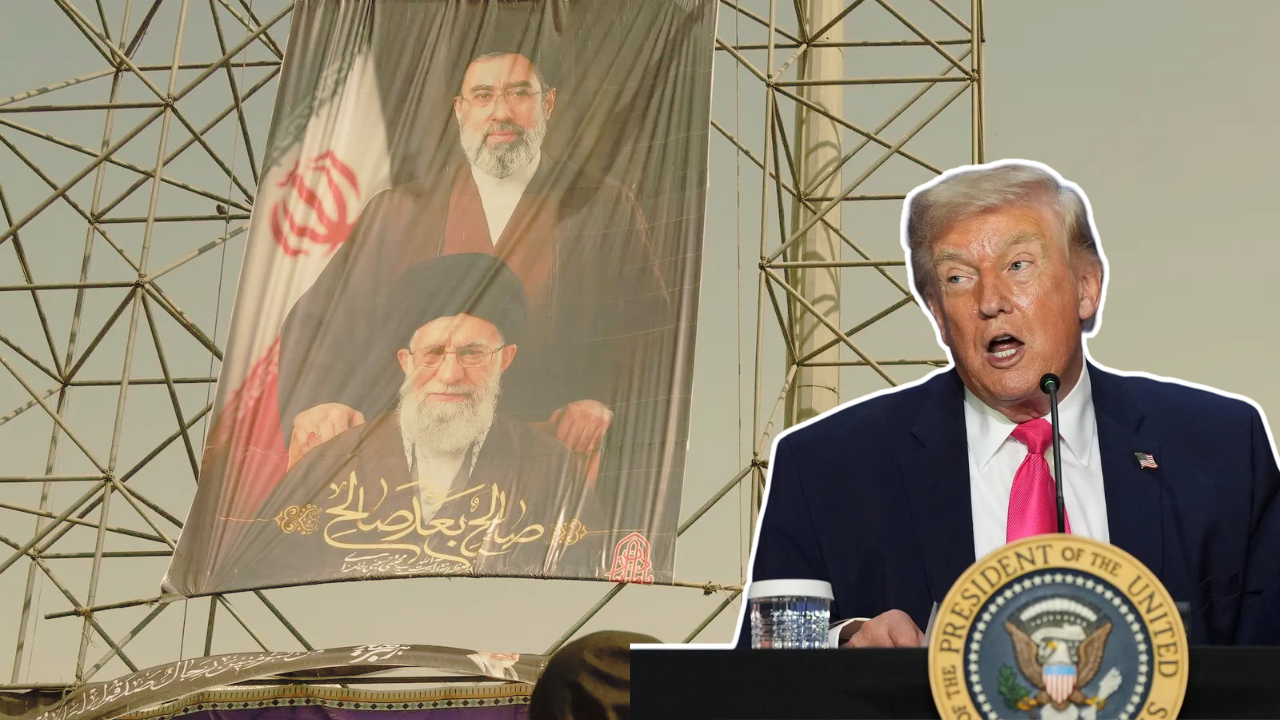
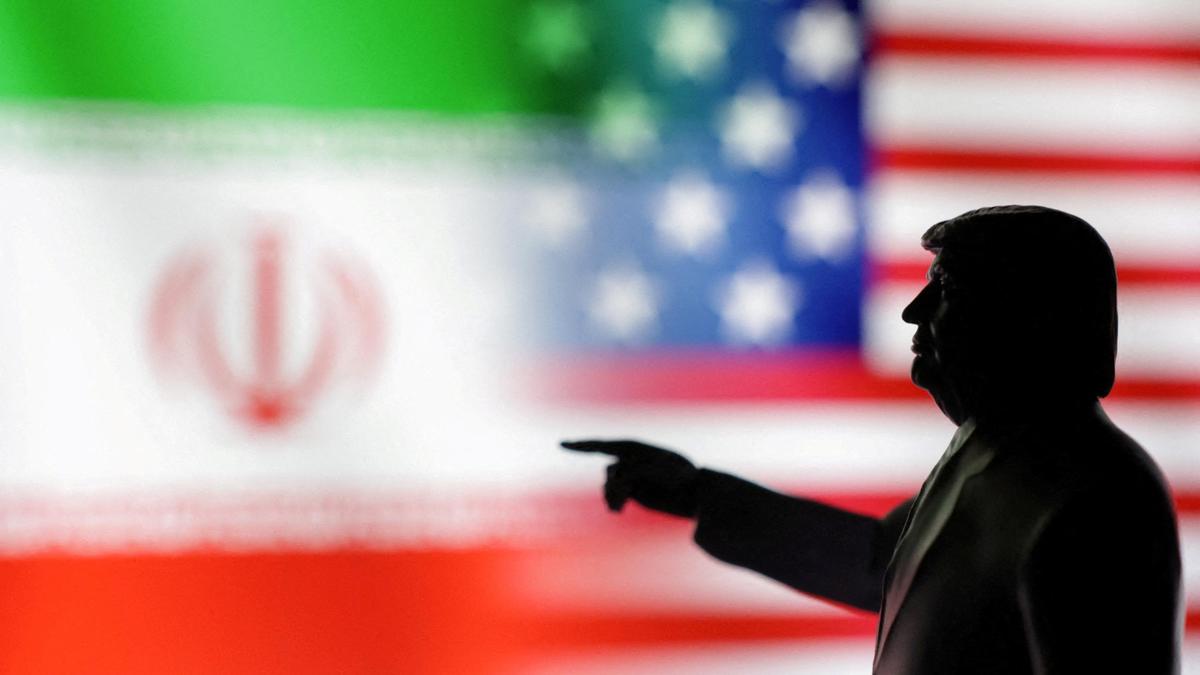
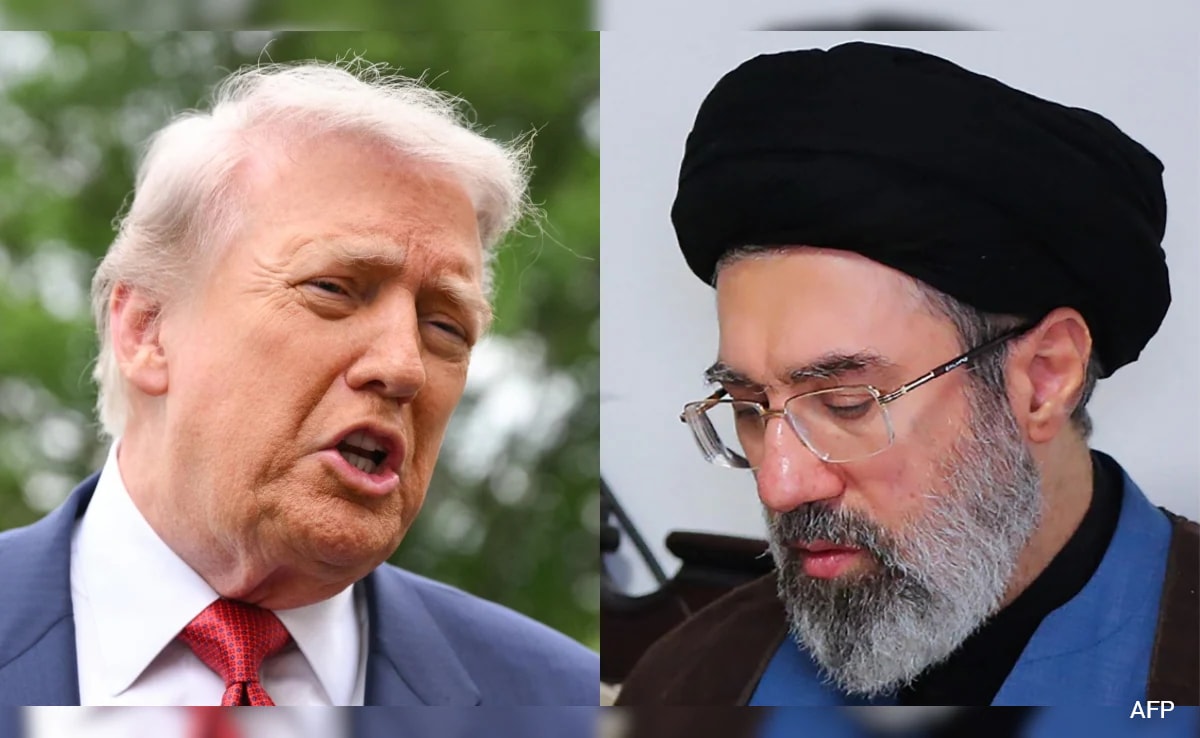
The emerging outlines of the US-Iran deal have triggered alarm among hawkish pro-Israel Republicans in Washington, who had spent months insisting that military pressure would either collapse the Iranian regime or force unconditional capitulation. Instead, Iran appears battered but strategically intact, and potentially stronger. The proposed agreement has been described as a "weak deal" by Daniel Shapiro, former US ambassador to Israel and now a leading critic of the war's execution. Shapiro argued that once Iran demonstrated its ability to disrupt the Strait of Hormuz and attack regional infrastructure, it acquired leverage that Washington had underestimated.
The assessment has sent shockwaves through Israel and among American hawks who champion military escalation. Senator Ted Cruz, one of the administration's loudest defenders during the war, issued an extraordinary public warning, stating that if the result of the deal is to allow the Iranian regime to receive billions of dollars, enrich uranium, and develop nuclear weapons, while having effective control over the Strait of Hormuz, then that outcome would be a "disastrous mistake." Senator Lindsey Graham also voiced similar concerns, while Israeli officials fear that President Trump, under pressure from Gulf allies, may settle for de-escalation rather than complete victory.
The administration appears to be confronting the hard reality of limited military options, and the emerging negotiations have exposed a widening fracture within Trump's own political coalition. Influential MAGA figures, deeply skeptical of foreign wars and exhausted by Middle East interventions, increasingly want Trump to declare victory and exit the conflict before it mutates into another quagmire. The political pressure intensified after reports that Trump skipped his son's wedding event to oversee negotiations, which many conservatives now deride as "surrender diplomacy." Meanwhile, Tehran has shown little hesitation in publicly taunting the American president, with Iranian-linked media circulating a statement claiming that American officials have acknowledged that Trump's tweets are primarily for promotional purposes and media consumption within the United States.
Iranian officials now openly frame the negotiations not as a retreat but as validation of Tehran's resilience. Reza Amiri Moghadam, Iran's ambassador to Pakistan, praised the "steadfastness of the courageous armed forces and the resistance of the brave Iranian nation," as well as mediation efforts involving Pakistan. Analysts say that the war may have hardened rather than softened Tehran's negotiating posture, with Iran's priorities transformed to include security guarantees, sanctions relief, economic stabilization, and formal recognition of its regional leverage. The shift has profound implications not only for the Middle East but for global geopolitics, as Washington finds itself once again consumed by Gulf crises, energy shocks, and the politics of regime survival in Tehran.
The war produced tactical achievements for the US, but strategically, it appears to have hardened Iran's position. The Biden and Trump administrations alike spent years trying to pivot American strategic focus toward the Indo-Pacific and China, but instead, Washington now finds itself once again entangled in the complexities of the Middle East. Despite the immense military campaign waged by the US and Israel, the reality confronting Washington may be the same one Trump himself recognized years ago: Iran may not win wars, but once again, it may have survived long enough to negotiate from strength. The US-Iran deal has sparked controversy and criticism, with many questioning the wisdom of the agreement and the implications it may have for the region and the world.
The situation remains complex and fluid, with many variables at play. The US and Iran have been engaged in a delicate dance, with each side trying to negotiate a favorable outcome. The deal, if finalized, would mark a significant shift in the relationship between the two countries, with potential implications for the Middle East and beyond. As the situation continues to unfold, it remains to be seen how the US-Iran deal will play out and what the consequences will be for the region and the world.