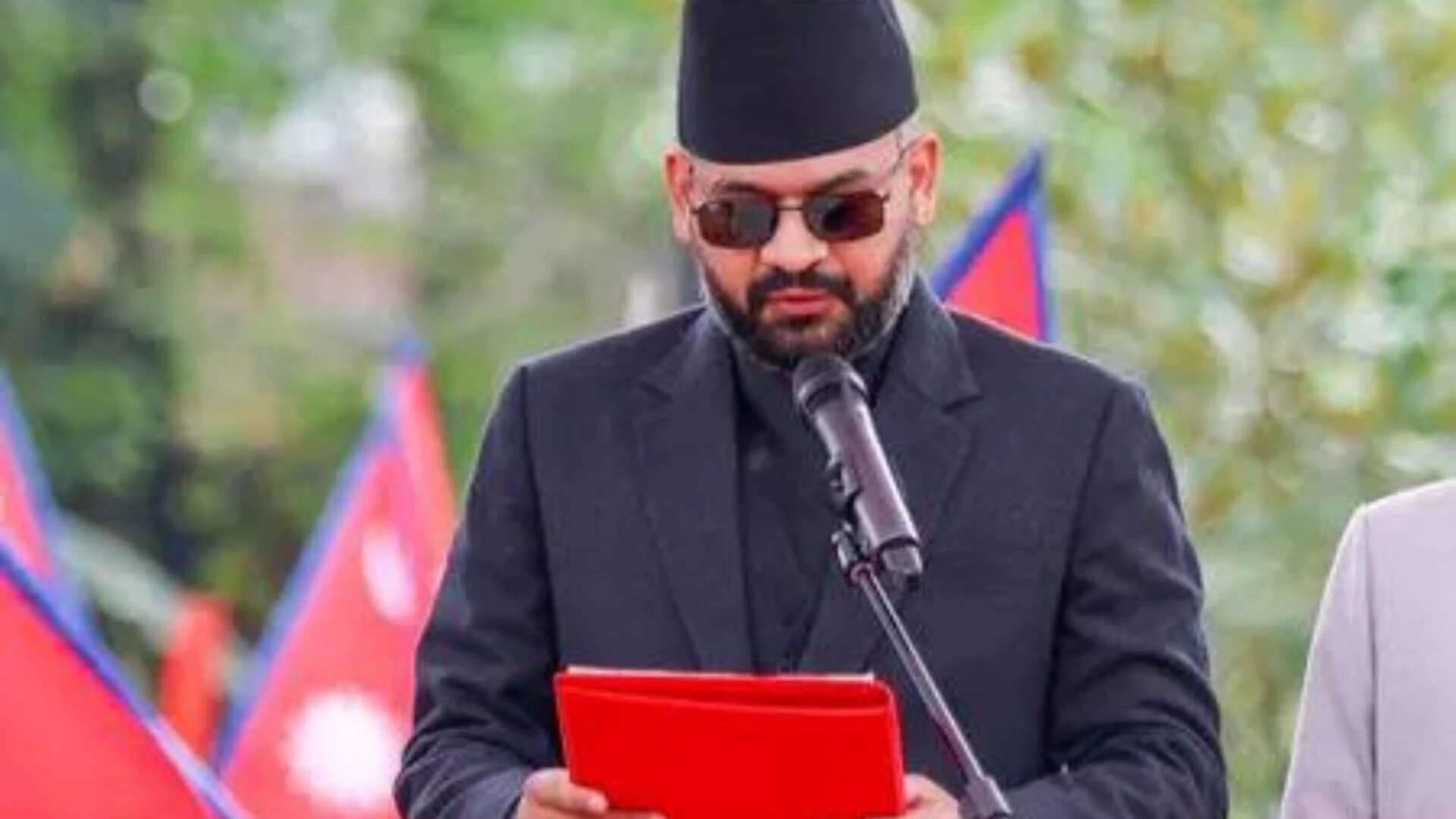
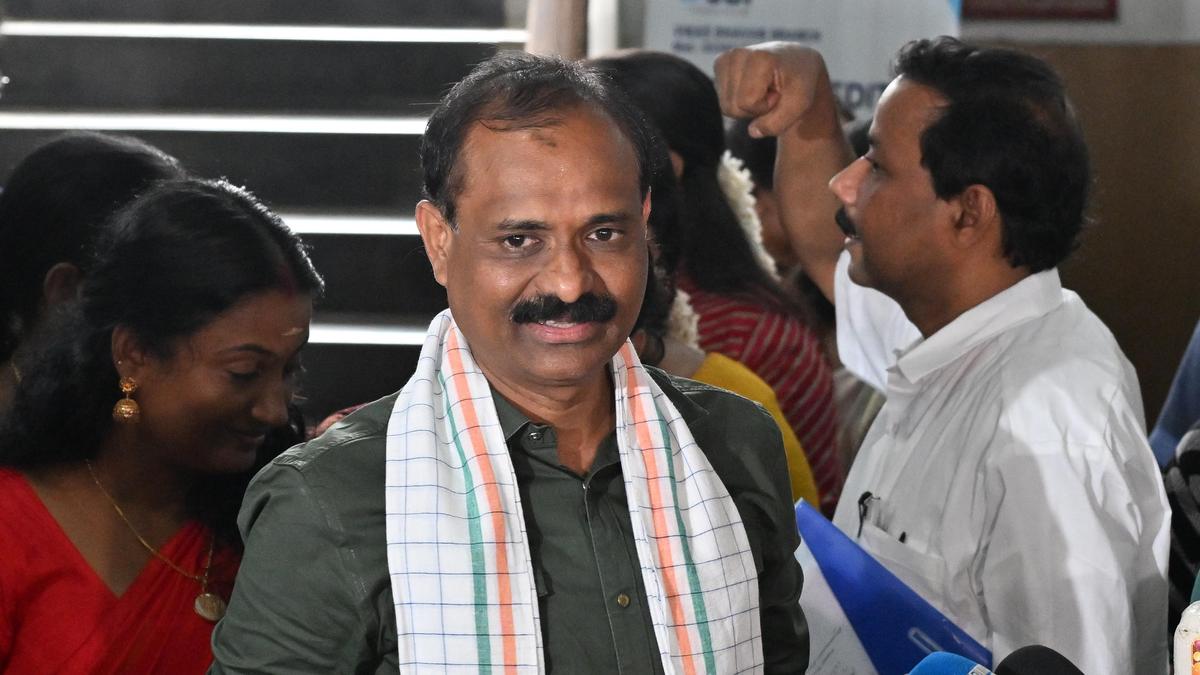
•Nepal PM Balendra Shah calls for UK’s involvement in resolving the India-Nepal border dispute, citing historical ties from the British colonial period.
•Both countries have reportedly encroached on each other’s territories in multiple locations, according to Shah’s statement in Parliament.
•The dispute flared up in early May after India resumed the Kailash Mansarovar Yatra through the Lipulekh Pass, a route claimed by Nepal.
•India has rejected Nepal’s claim, asserting that the Kalapani area, including Limpiyadhura and Lipulekh, is part of Uttarakhand.
•Nepal’s Foreign Ministry clarified that Shah’s remarks about encroachment referred to no-man’s land and cross-border occupation issues.
•Plans for Indian Foreign Secretary Vikram Misri’s visit to Kathmandu remain uncertain due to the ongoing border row.
•The dispute threatens to delay high-level diplomatic engagements and complicate bilateral relations between the two countries.
New Delhi, June 25 — Nepal Prime Minister Balendra Shah has reiterated his government’s commitment to resolving the longstanding India-Nepal border dispute through dialogue and diplomacy. However, in comments likely to strain relations with New Delhi, Shah also called for the United Kingdom to play a role in addressing the issue, citing its historical connection to the region during the British colonial era.
Speaking in the Nepalese Parliament on Sunday, Shah stated that both countries have encroached upon each other’s territories in multiple locations. He emphasized the need for both governments to form joint teams of historians, surveyors, and local experts to resolve the dispute through negotiations. “Our view is that the UK should also take an interest, as the issue dates back to the period when British India left the region,” Shah said, according to a report by the Kathmandu Post.
The border dispute escalated in early May, just over a month after Shah, a former rapper and mayor of Kathmandu, assumed office. The flare-up followed India’s decision to resume the Kailash Mansarovar Yatra through the Lipulekh Pass in Uttarakhand, a route claimed by Nepal. Kathmandu protested the move, raising the issue with both India and China, which had supported the resumption of the pilgrimage route.
India, however, rejected Nepal’s claim, asserting that it is not supported by historical facts or evidence. “Such unilateral artificial enlargement of territorial claims is untenable,” an Indian government spokesperson said. The Ministry of External Affairs maintained that the Kalapani area, including Limpiyadhura and Lipulekh, remains an integral part of India’s Uttarakhand state.
Shah also acknowledged that Nepal had raised the issue with India and that New Delhi had agreed to form joint teams for discussions. “The response (by India) states that both governments will form teams comprising historians, surveyors and experts familiar with the territory and seek a resolution through table talks,” the Nepali Prime Minister said.
Meanwhile, Nepal’s Ministry of Foreign Affairs clarified that Shah’s remarks about Nepal “encroaching” on Indian territory referred specifically to no-man’s land and cross-border occupation issues between the two countries. The clarification came as both nations were attempting to schedule a visit by Indian Foreign Secretary Vikram Misri to Kathmandu. Earlier reports suggested the visit was planned for mid-May, but the Indian government later stated that no date had been finalized.
The ongoing border row has raised concerns about further delays in high-level diplomatic engagements between the two countries. The dispute has the potential to complicate efforts to strengthen bilateral ties, particularly as Nepal transitions under a new government led by Shah. Analysts suggest that while both sides have expressed willingness to resolve the issue through dialogue, the involvement of a third party like the UK could add a new layer of complexity to the already sensitive negotiations.
As of now, neither India nor Nepal has officially responded to Shah’s call for UK intervention. The Ministry of External Affairs in New Delhi is yet to issue a formal statement on the matter. The border dispute remains a critical challenge for both nations, with historical, political, and strategic implications.