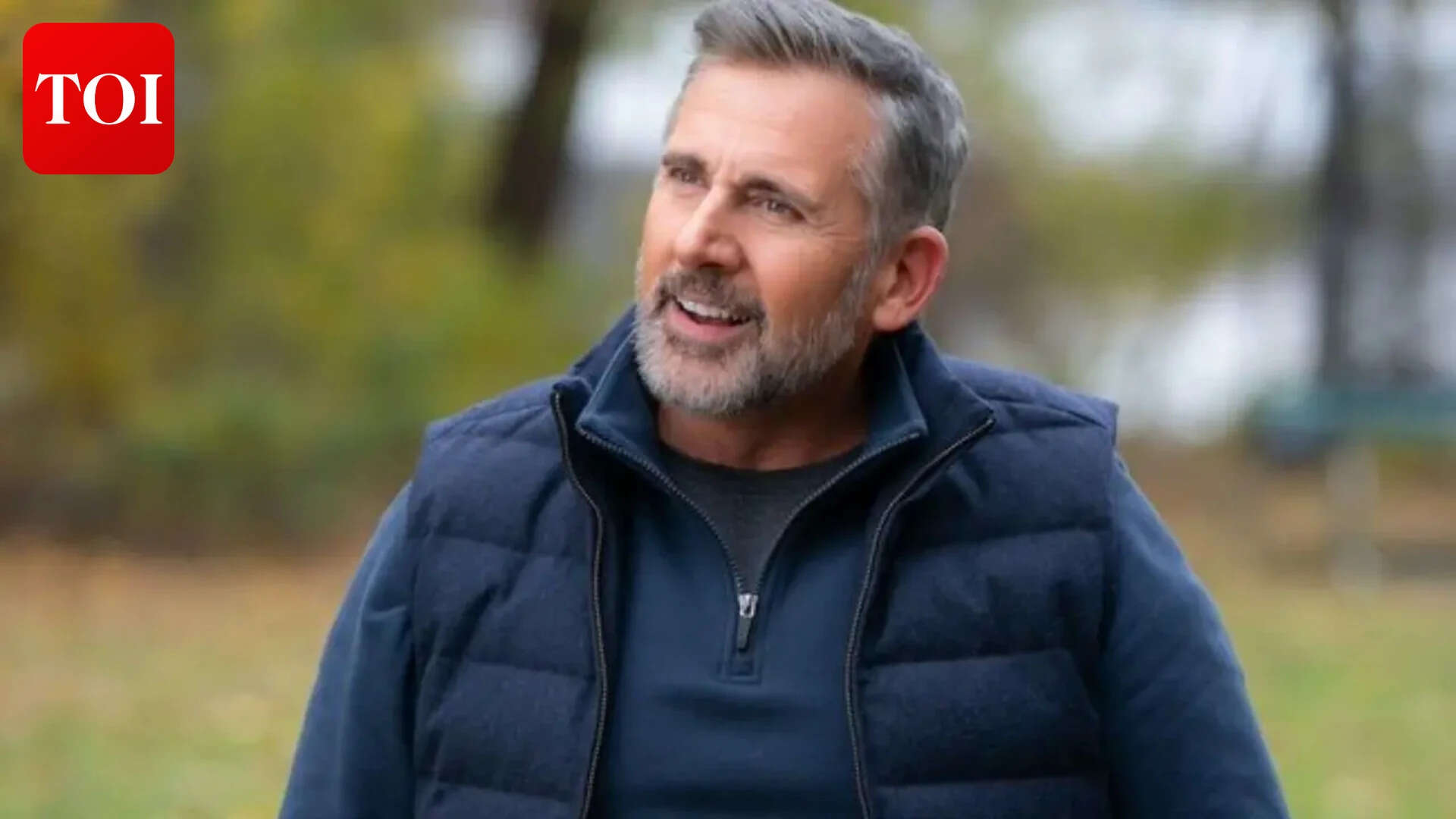
Steve Carell, born on August 16, 1962, in Concord, Massachusetts, has spent over three decades reshaping the landscape of comedy and drama in Hollywood. From sketch comedy to television sitcoms and award-winning films, Carell has become one of the most respected and versatile actors of his generation. His career spans iconic roles in *The Office*, *The 40-Year-Old Virgin*, *Anchorman*, *Little Miss Sunshine*, *The Big Short*, and *Beautiful Boy*, among others. With a Golden Globe win and multiple Emmy nominations, Carell has also earned critical acclaim, including an Academy Award nomination for *Foxcatcher* in 2014.
Carell’s approach to comedy is defined by a rare principle: humour rooted in humanity, not cruelty. In a 2010 interview during the press tour for *Dinner for Schmucks*, he articulated this philosophy clearly: *“I don't like comedy where people are making fun of other people. I think you can find the humour in a situation without being mean-spirited or cruel.”* The comment was a direct response to questions about his role in *Dinner for Schmucks*, a film built around a disturbing premise—corporate executives hosting a dinner where each guest brings the “biggest fool” to mock. Carell played Barry Speck, a gentle, eccentric man who builds art dioramas using taxidermied mice. Rather than portraying Barry as a caricature to be ridiculed, Carell committed fully to playing him with sincerity and dignity. He refused to wink at the audience or signal that Barry was absurd. Instead, he treated Barry as a real person whose passion deserved respect. His goal was not to make audiences laugh *at* Barry, but *with* him.
This distinction—between laughing *at* someone and laughing *with* them—lies at the heart of Carell’s artistic philosophy. Comedy that targets individuals for their differences or weaknesses often feels cheap and leaves a lingering discomfort. In contrast, humour rooted in situational absurdity, shared human experience, and emotional truth resonates more deeply. Carell’s portrayal of Michael Scott in *The Office* exemplifies this balance. Scott, the painfully oblivious regional manager, could easily have been played as a one-dimensional buffoon. But Carell infused him with loneliness, vulnerability, and genuine desire for connection. Audiences laughed *at* Scott’s antics, but they also *felt* for him—creating a rare duality in comedic storytelling.
Carell’s career began with improvisational training at Chicago’s *The Second City*, where he honed the instincts that would define his early work. After joining *The Daily Show with Jon Stewart* as a correspondent, he gained wider recognition. The breakthrough came with *The Office* (2005–2013), where his portrayal of Michael Scott became one of the most iconic in TV history. The show earned him a Golden Globe and multiple Emmy nominations. His film roles have been equally transformative. In *The 40-Year-Old Virgin* (2005), he redefined the romantic comedy lead. In *Anchorman: The Legend of Ron Burgundy* (2004), he brought dry wit to a satirical parody. *Little Miss Sunshine* (2006) showcased his dramatic range, while *The Big Short* (2015) demonstrated his ability to anchor complex financial satire with gravitas.
His dramatic turns have also been celebrated. In *Beautiful Boy* (2018), he played a father watching his son battle addiction, delivering a heartbreaking performance that earned widespread acclaim. The pinnacle of his dramatic work came with *Foxcatcher* (2014), where he transformed into John du Pont, the eccentric and dangerous wrestling coach. His performance was so immersive that audiences struggled to recognize him, earning him an Academy Award nomination for Best Actor.
Throughout his career, Carell has maintained a commitment to authenticity. Whether playing a fool, a manager, a father, or a villain, he insists on treating every character with dignity. His philosophy extends beyond performance: it reflects a belief that comedy should unite, not divide; that laughter should elevate, not demean. In an era where viral humour often thrives on mockery and shock value, Carell’s work stands as a quiet but powerful counterpoint—proof that the best comedy can be both hilarious and humane.