•Petrol and diesel prices increased by ₹2.61 and ₹2.71 per litre on May 25, the fourth hike in under two weeks.
•Cumulative hike since May 15 totals nearly ₹7.5 per litre; petrol crosses ₹100 in Delhi.
•Opposition leaders Rahul Gandhi, Mallikarjun Kharge, and Arvind Kejriwal allege government delayed hikes until after elections to avoid political backlash.
•Global crude oil prices surged over 50% since late February due to US-Israeli strikes on Iran and Strait of Hormuz disruptions.
•Finance Minister Nirmala Sitharaman cited global challenges and government steps to support exporters and MSMEs amid the crisis.
•BJP dismissed Rahul Gandhi’s remarks as “toolkit politics,” defending the government’s economic resilience.
•Political row intensifies as inflation and fuel costs rise, with opposition demanding relief and transparency.
New Delhi, May 25, 2026 – The Narendra Modi-led government faced intense political backlash on Monday after state-owned fuel retailers raised petrol and diesel prices by ₹2.61 and ₹2.71 per litre respectively, marking the fourth increase in less than two weeks. The cumulative hike since May 15 now stands at nearly ₹7.5 per litre, pushing retail fuel prices to their highest levels since May 2022. In Delhi, petrol prices crossed the ₹100 mark, rising from ₹99.51 to ₹102.12 per litre, while diesel climbed from ₹92.49 to ₹95.20 per litre, according to industry sources.
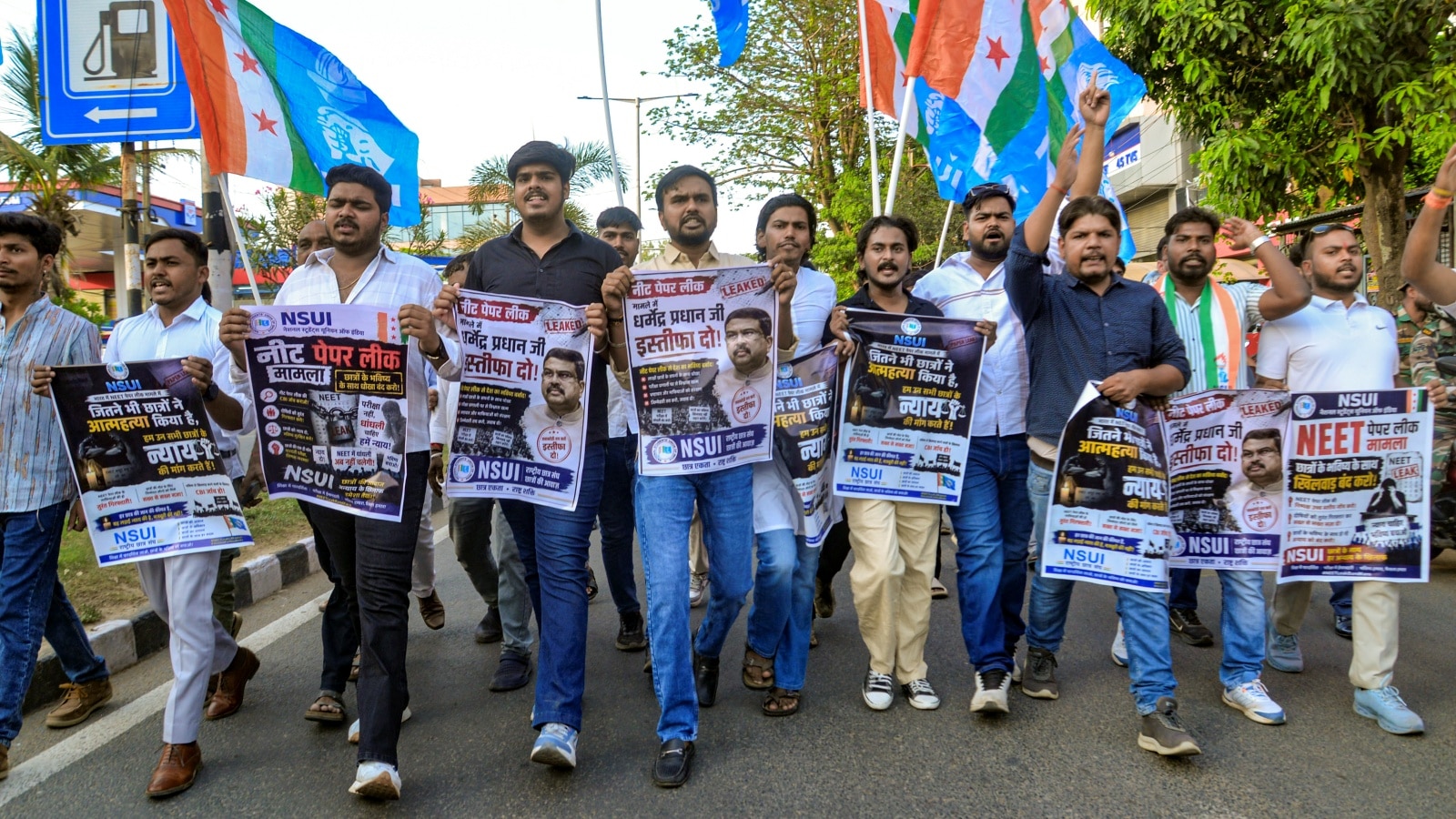
Opposition leaders led by Congress president Mallikarjun Kharge and former party president Rahul Gandhi criticized the government, accusing it of “daily robbery” and burdening citizens through delayed pass-through of soaring global crude oil costs. Kharge, in a post on X (formerly Twitter), described the price revisions as a “daily assault of fuel loot” and alleged that the government prioritized profits over people. He highlighted that petrol prices have surged from ₹71.41 per litre in 2014 to ₹102.12 in 2026, while diesel prices rose from ₹56.71 to ₹95.20 during the same period.
Rahul Gandhi, who labeled Prime Minister Narendra Modi as “mehangai manav” (inflation man), alleged that the government raised fuel prices in “installments” to quietly fleece consumers. “‘Mehangai manav’ Modi strikes again. They raise petrol-diesel prices in installments — so that your pocket keeps getting quietly fleeced,” Gandhi wrote on X. He also claimed to have warned of an impending economic storm months ago but said the government delayed hikes until after state elections concluded. “Modi ji’s only job is this — promises during elections, and the rest of the time, attacks on the public’s pocket,” he asserted.
Aam Aadmi Party (AAP) convenor Arvind Kejriwal joined the chorus, questioning why India was not sourcing cheaper crude oil from Russia and Iran. “Russia and Iran are offering us cheaper and sufficient oil and gas. Why is Prime Minister Narendra Modi not buying cheap oil from them?” Kejriwal asked in a video message on X. Congress spokesperson Ragini Nayak raised broader concerns about oil supply disruptions and the economy, questioning the government’s efforts to bring back ships stranded in the Strait of Hormuz.
The price hikes come amid a global crude oil crisis triggered by US-Israeli strikes on Iran and disruptions in shipping through the Strait of Hormuz, a critical route for global oil transport. Global crude prices have surged by over 50% since late February, prompting fuel retailers to gradually pass on the increased input costs to consumers. The government had previously postponed these revisions, stating its aim was to shield people from inflation during the election period. However, opposition leaders alleged the delay was strategic, intended to avoid political fallout before key state elections.
Finance Minister Nirmala Sitharaman acknowledged the challenges posed by the West Asia crisis, stating it affects businesses, common people, and supply chains. “The West Asia crisis is not only a diplomatic or geopolitical issue. For businesses and common people, it can mean higher fuel cost, delayed cargo, costlier shipping, shortage of inputs, pressure on working capital and uncertainty in export orders,” she said. She emphasized the government’s focus on protecting citizens, supporting MSMEs, safeguarding exporters, and maintaining economic stability through measures such as simplifying customs formalities for stranded cargo.
In response to Rahul Gandhi’s prediction that the government would not last till next year amid economic concerns, the Bharatiya Janata Party (BJP) dismissed his remarks as “toolkit politics” and accused him of spreading instability. BJP spokesperson Gaurav Bhatia mocked Gandhi, comparing him to “Bhasmasur,” and defended the government’s economic resilience during global uncertainty. “It is a time of global crisis and many economies have weakened. But under Prime Minister Modi’s leadership, India has faced these challenges strongly for the past 85 days,” Bhatia stated.
The repeated fuel price hikes have raised concerns over inflation and transportation costs, with opposition leaders demanding transparency and immediate relief for consumers. As prices continue to climb, the political debate over economic governance intensifies, with both sides trading barbs over inflation, fuel costs, and governance during a period of global instability.