
Delhi’s Road Dust Control: Only 18% of Population Covered by Mechanical Sweepers, Study Finds
मुख्य बातें
- •Only 18% of Delhi’s 22 million residents (about 4 million people) benefit from mechanical road-sweeper machines (MRSMs), which cover 1,200 km of roads.
- •% of MRSM coverage is concentrated in residential areas, while commercial zones—where higher traffic worsens dust resuspension—are underserved.
- •Delhi has 13 identified pollution hotspots, with dust as a major pollutant in 10, including Anand Vihar, Ashok Vihar, and Mundka.
- •Current MRSM deployment is based on Right-of-Way norms, not pollution data; CEEW recommends prioritising hotspots for better effectiveness.
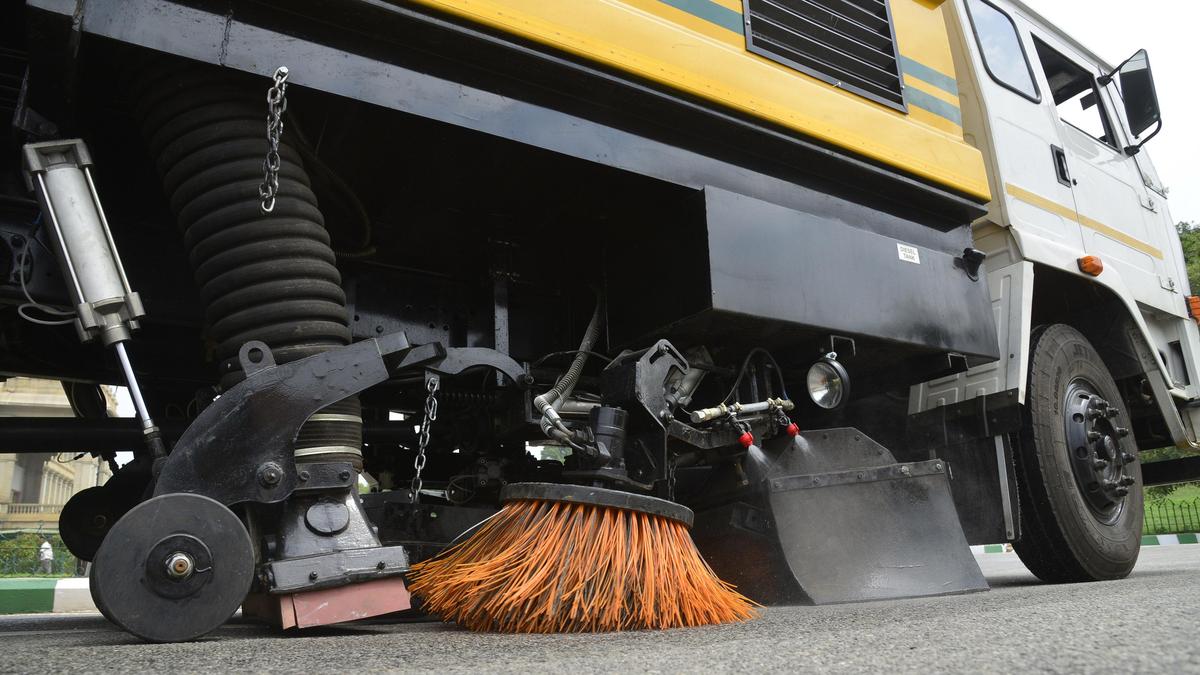
A recent study by the Council on Energy, Environment and Water (CEEW) has highlighted significant gaps in Delhi’s efforts to control road dust, a major contributor to the city’s air pollution. According to the findings, only 18% of Delhi’s population—approximately four million out of the city’s 22 million residents—currently benefit from the deployment of mechanical road-sweeper machines (MRSMs). These machines, which are part of Delhi’s air-pollution control programme, collectively sweep nearly 1,200 km of road. The study mapped a 50-metre buffer around these routes to estimate the population benefiting from the service, as coarse resuspended particles removed by the machines do not disperse more than 30–50 metres.