Conspiracy Theories That Made These TV Series Go Viral: From Stranger Things to Severance
मुख्य बातें
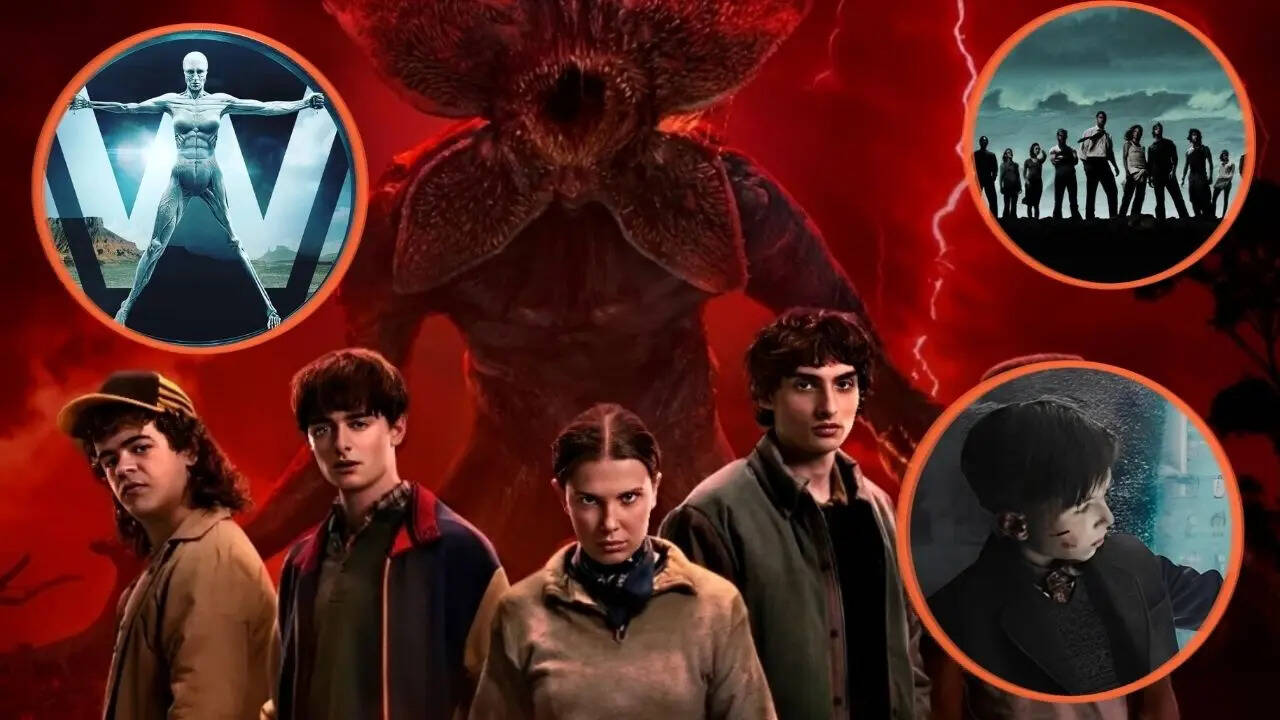
- •Stranger Things* fueled fan theories about government mind control and the Upside Down, inspired by real Cold War experiments.
- •Game of Thrones* became a global phenomenon with theories like “R + L = J” and Bran Stark’s hidden role in the plot.
- •Lost* turned viewing into a puzzle-solving experience with the “numbers” 4, 8, 15, 16, 23, 42 and the purgatory theory.
- •Dark* challenged audiences with time loops and multi-generational secrets, requiring fans to build complex timelines.
- •Severance* kept viewers hooked with mysteries around Lumon Industries and the purpose of employee memory separation.
- •Breaking Bad* sparked debates over whether Walter White was always a criminal or if his cancer triggered his transformation.
- •Each show used hidden clues and unresolved questions to extend its narrative into fan-driven storytelling and cultural conversation.
Television series often captivate audiences with gripping storylines, stellar performances, and high production values. However, a select few transcend their on-screen narratives, sparking intense online discussions, deep-dive analyses, and even obsessive fan theories. These shows spill beyond the screen into Reddit threads, YouTube videos, and late-night debates, turning hidden clues and unanswered questions into entertainment in their own right. From government mind-control experiments to time-bending family secrets, several series have gained unprecedented popularity because of the conspiracy theories they inspired.