•Suryakumar Yadav scored 270 runs in 13 innings in IPL 2026, averaging 20.76, amid prolonged poor T20I form over two years.
•Calls for Yadav’s removal as T20I captain have grown despite his World Cup-winning leadership in March.
•Former selector MSK Prasad defended Yadav, calling him India’s most versatile T20 batter and urging patience over a hasty decision.
•Prasad proposed grooming future T20 captains like Shreyas Iyer, Sanju Samson, Tilak Varma, and Ishan Kishan under Yadav’s mentorship.
•Yadav dismissed wrist injury rumours, stating his flick shots would be impossible with such an injury and criticizing baseless speculation.
•Prasad highlighted Yadav’s unmatched 360-degree batting style, making him nearly unplayable once settled.
•The upcoming T20 World Cup cycle starting in June may serve as a platform for leadership development while addressing current form concerns.
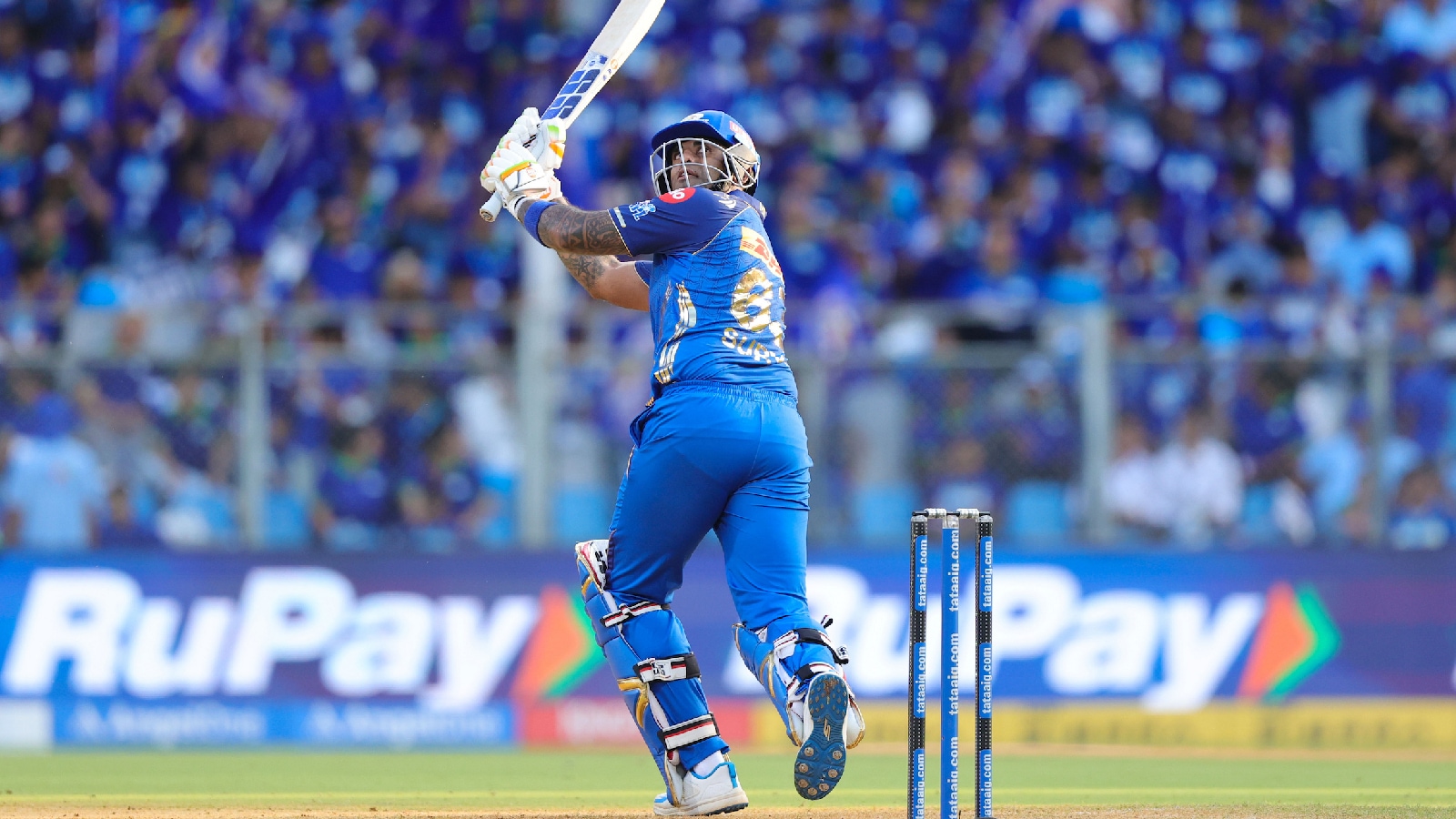
Mumbai, May 25, 2026: Suryakumar Yadav, India’s T20I captain, continues to face intense scrutiny over his recent batting form, despite leading the team to victory in the T20 World Cup earlier this year. While he delivered a crucial half-century in the IPL 2026 season finale against the Rajasthan Royals on Sunday, his overall performance this season has raised questions about his consistency and future role in the team.
In the IPL 2026 season, Yadav scored 270 runs in 13 innings, averaging just 20.76. This dip in form follows a prolonged period of poor T20I performances over the past two years. The mounting pressure has sparked public calls for his removal as captain, particularly after India’s World Cup triumph in March, where his batting contributions were limited.
However, former Chief National Selector MSK Prasad has come out strongly in Yadav’s defense. Writing in a Cricbuzz column, Prasad emphasized that Suryakumar remains one of India’s most valuable T20 players, despite the current debates around his form. He highlighted Yadav’s unique ability to change games within a few overs through intent, innovation, and fearlessness—qualities essential in modern T20 cricket.
“In modern T20 cricket, matches are not won only through technique—they are won through intent, innovation, fearlessness, and the ability to change games within a few overs. That is exactly why Suryakumar Yadav remains one of the most valuable players in India’s T20 setup,” Prasad stated. He further praised Yadav as India’s most versatile T20 batter, noting his ability to play 360-degree cricket naturally and access unconventional areas of the field, making him nearly impossible to bowl to once he settles.
Prasad also suggested that the upcoming T20 World Cup cycle, starting in June, could be used to groom future leaders under Yadav’s mentorship. He named Shreyas Iyer, Sanju Samson, Tilak Varma, and Ishan Kishan as potential candidates to be developed as future T20 captains for India.
Addressing speculation about a possible wrist injury affecting Yadav’s performance, he dismissed such claims outright. Speaking to broadcasters ahead of the match against Rajasthan Royals, Yadav clarified that rumours of a wrist issue were unfounded. “The people talking about a wrist injury are either pure physios or people who don’t understand cricket. If I really had a wrist injury, I wouldn’t have been able to play my flick shots, which depend on hand-eye coordination,” he said. Yadav added that he chooses not to engage with such uncontrollable factors and focuses on his game instead.
Despite the challenges, Yadav’s unique skill set—including scoops over fine leg, inside-out lofts over cover, and flicks behind square off good-length balls—remains unmatched among Indian batters. His ability to innovate and adapt makes him a vital asset in India’s T20 setup, even as questions persist about his immediate form.
As the debate continues, Prasad’s endorsement serves as a reminder of Yadav’s irreplaceable role in Indian cricket. With the next World Cup cycle approaching, the selectors and team management may look to balance immediate results with long-term leadership development, ensuring a smooth transition while maintaining stability in the team.