•President Trump has sent back proposed revisions to a tentative Iran deal, demanding tougher terms on nuclear commitments and the reopening of the Strait of Hormuz.
•No decision was made during a two-hour meeting on Friday, despite Trump’s earlier statement that the deal was “largely finalized.”
•Trump stated the US would seize and destroy Iran’s highly enriched uranium stockpile, while Iran denied discussing nuclear program details.
•Iran’s parliament speaker, Mohammad Bagher Ghalibaf, said no agreement would be approved until Iran’s “rights” were secured, emphasizing the need for tangible achievements.
•Democratic Senator Chris Coons noted that the outlined terms may be difficult to implement, particularly regarding the Strait of Hormuz.
•Negotiations remain stalled as differences over wording and financial provisions persist.
•The fragile ceasefire in the Iran conflict, in place since April, adds urgency to the ongoing diplomatic efforts.
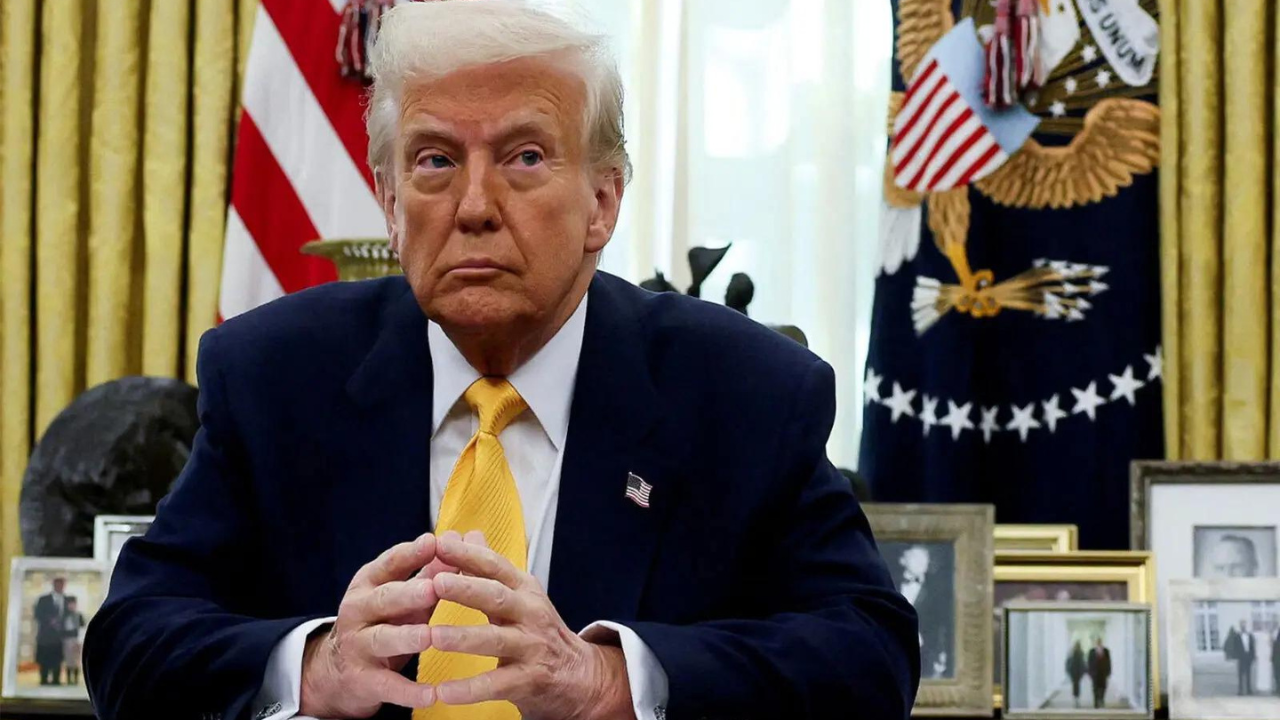
Washington, June 7 — President Donald Trump has sent back proposed revisions to a tentative agreement with Iran, pushing negotiations into another week as the fragile ceasefire in the ongoing conflict remains in place. According to officials cited by CNN, Trump has requested stronger language on Iran’s nuclear commitments and insisted on the reopening of the Strait of Hormuz as part of any deal. He has also raised concerns about the amount of financial relief that could be offered to Tehran, drawing comparisons to the “pallets of cash” transferred under the Obama-era nuclear deal.
The latest round of changes follows Trump’s statement last week that the deal was “largely finalized” and that an end to hostilities appeared imminent. Since then, US officials have indicated progress toward an agreement that would halt fighting, reopen the Strait of Hormuz, and allow for further negotiations on Iran’s nuclear program. However, despite Trump’s announcement that he would make a “final determination” during a two-hour meeting on Friday, no decision was reached. In a social media post ahead of the meeting, Trump outlined some conditions but did not confirm a deal.
During the meeting, Trump stated that the US would seize and destroy Iran’s stockpile of highly enriched uranium. However, Iran has repeatedly denied discussing details of its nuclear program in the current talks. Trump also denied that any financial exchange was part of the proposed agreement, while Iran has insisted that financial provisions must be included. The unresolved differences over wording and terms continue to stall the negotiations.
Earlier reports from Axios also confirmed that Trump had sought revisions to the proposed agreement, including tougher language on the reopening of the Strait of Hormuz. Meanwhile, Iran’s parliament speaker, Mohammad Bagher Ghalibaf, reiterated on Sunday that no agreement would be approved until Iran’s “rights” were secured. In a statement carried by the semi-official Tasnim news agency, Ghalibaf emphasized that Iran’s diplomatic team would not trust US promises without tangible achievements. “The soldiers of the diplomatic battlefield have no trust in the words and promises of the enemy,” he said. “What matters to us is tangible achievements that we must obtain, in exchange for which we will fulfil our commitments.”
Democratic Senator Chris Coons, a member of the Senate Foreign Affairs Committee, commented on the terms outlined by Trump, stating that while they may appear acceptable on paper, they could prove difficult to implement, particularly regarding the Strait of Hormuz. The ongoing negotiations reflect the complexities and sensitivities involved in reaching a comprehensive agreement that satisfies both sides.
The delay in finalizing the deal underscores the challenges in resolving the longstanding tensions between the US and Iran. With the fragile ceasefire in place since April, the international community continues to watch closely as diplomats work to bridge the gaps in the proposed agreement.